
Last updated November 15, 2026
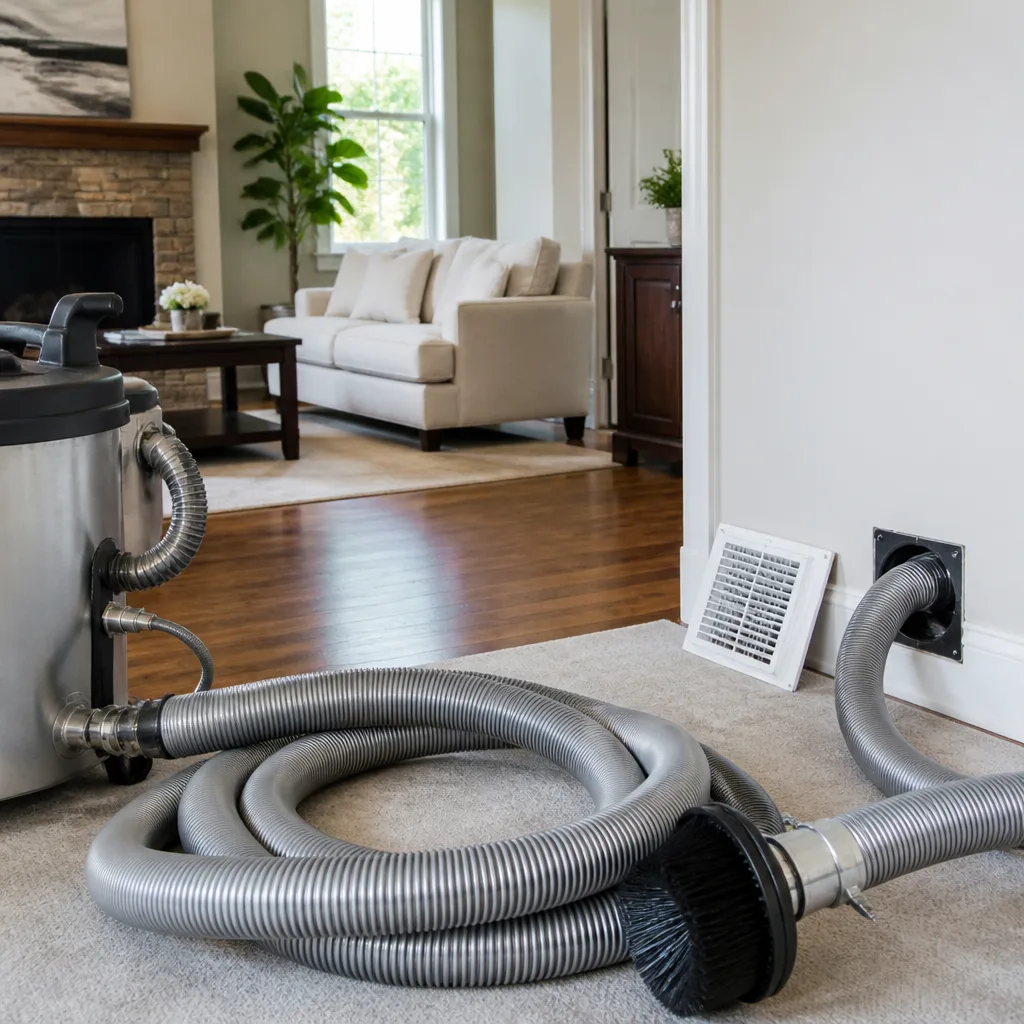 Whole-home duct cleaning
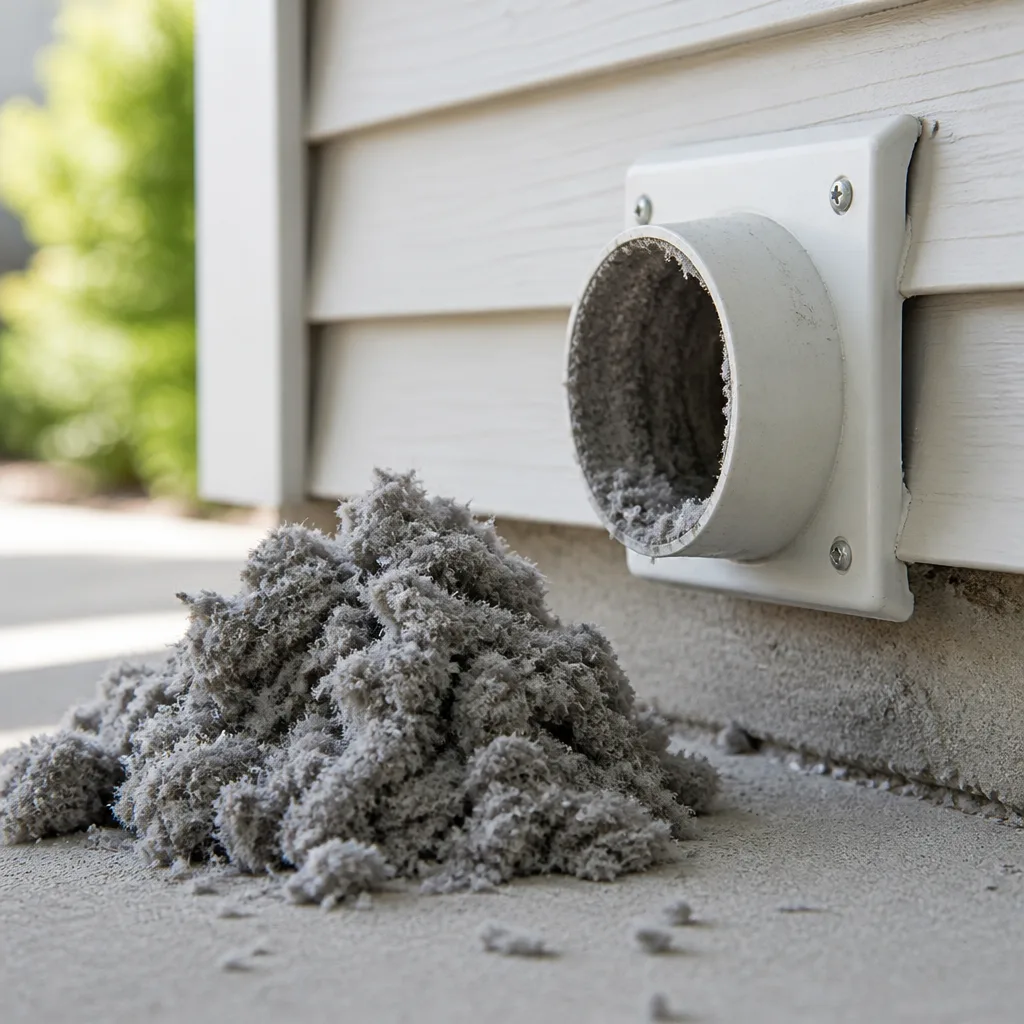 Dryer vent cleaning
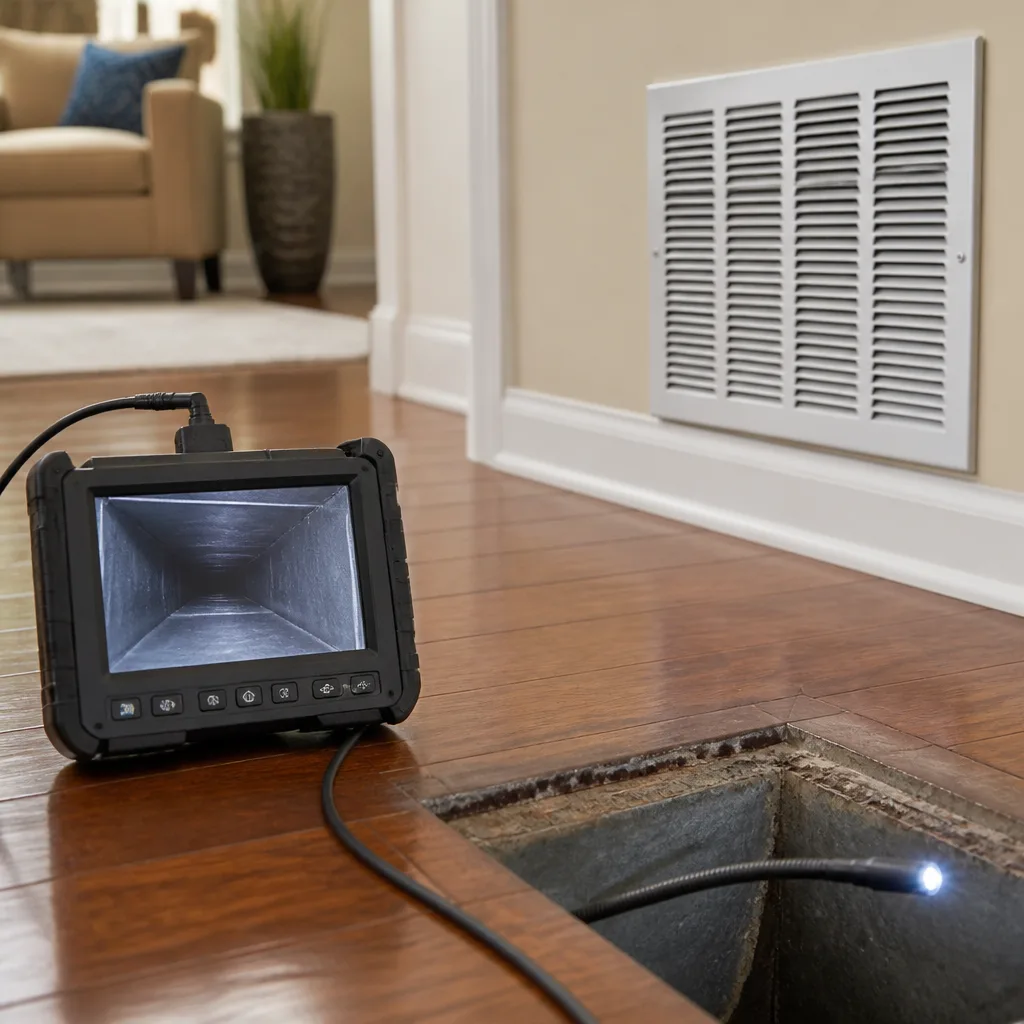 Camera inspection
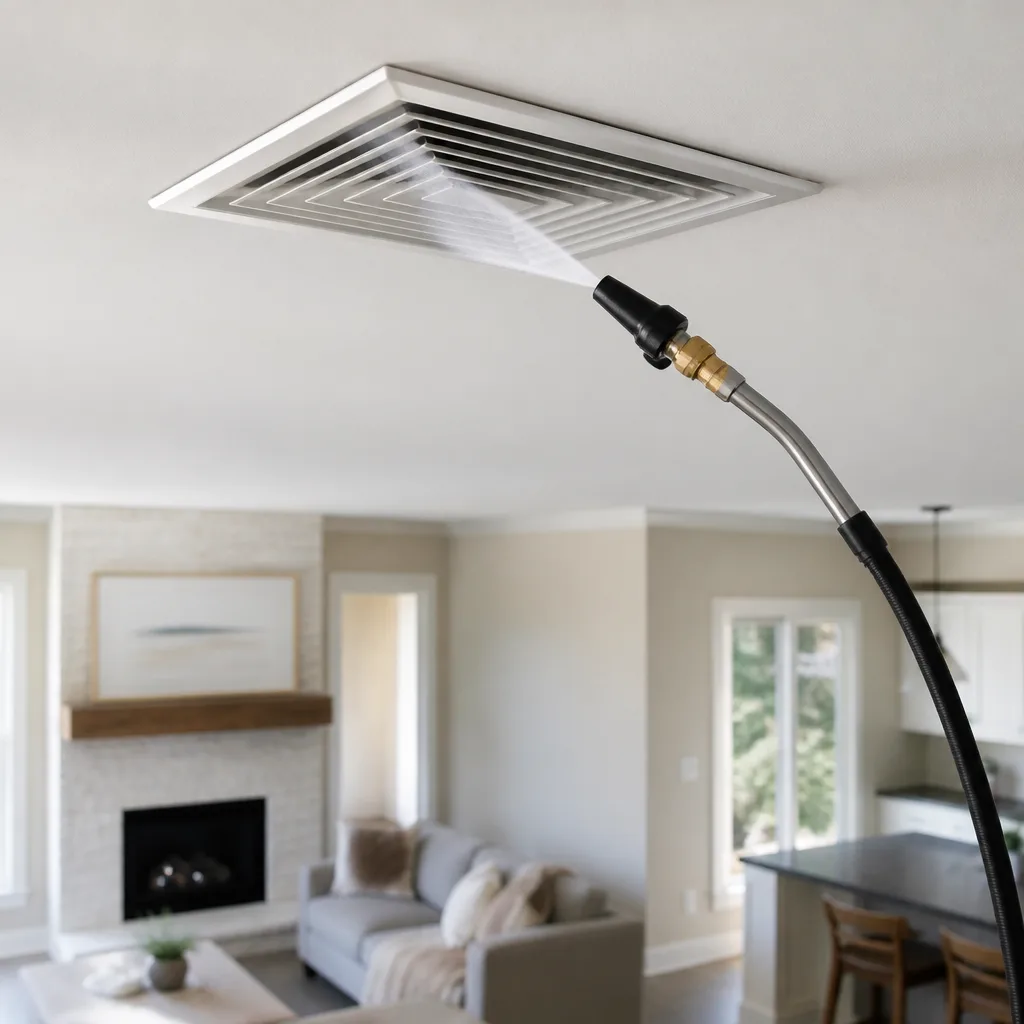 Sanitizing & deodorizing
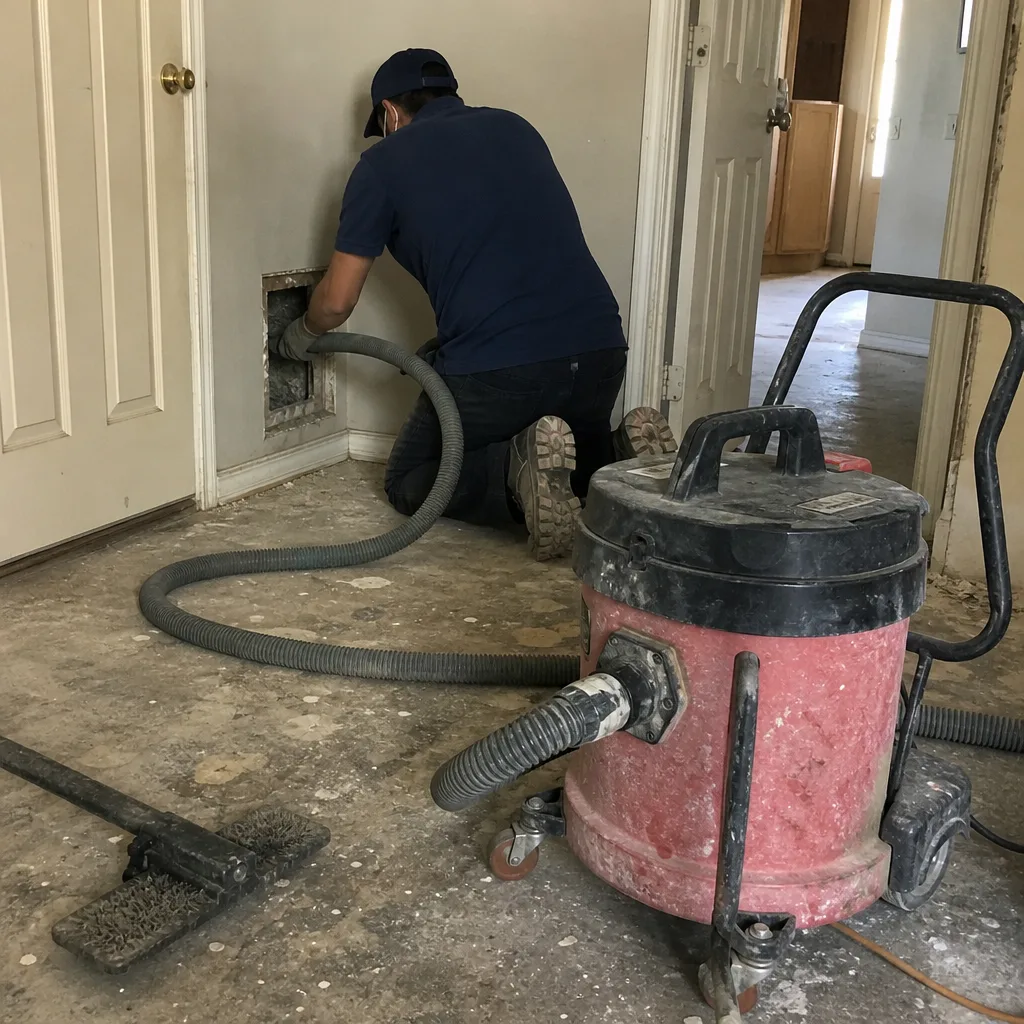
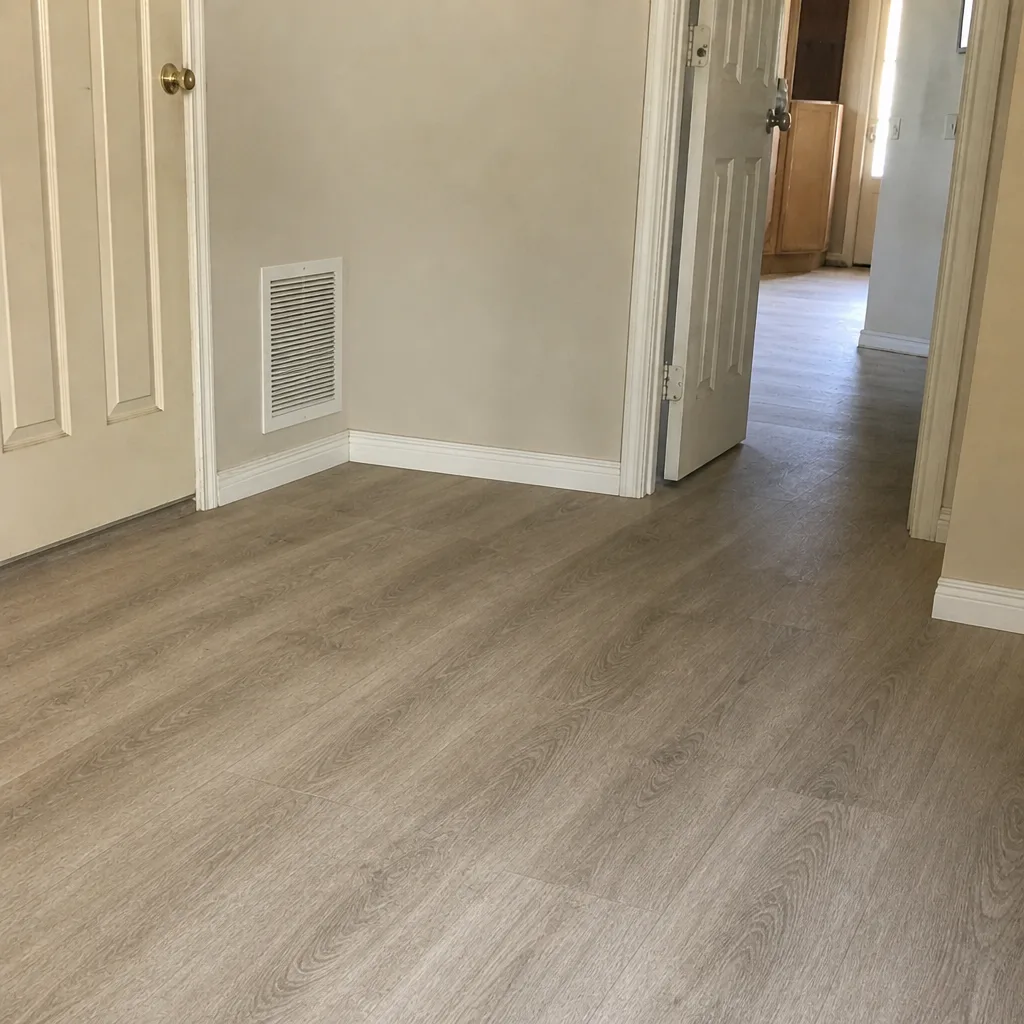
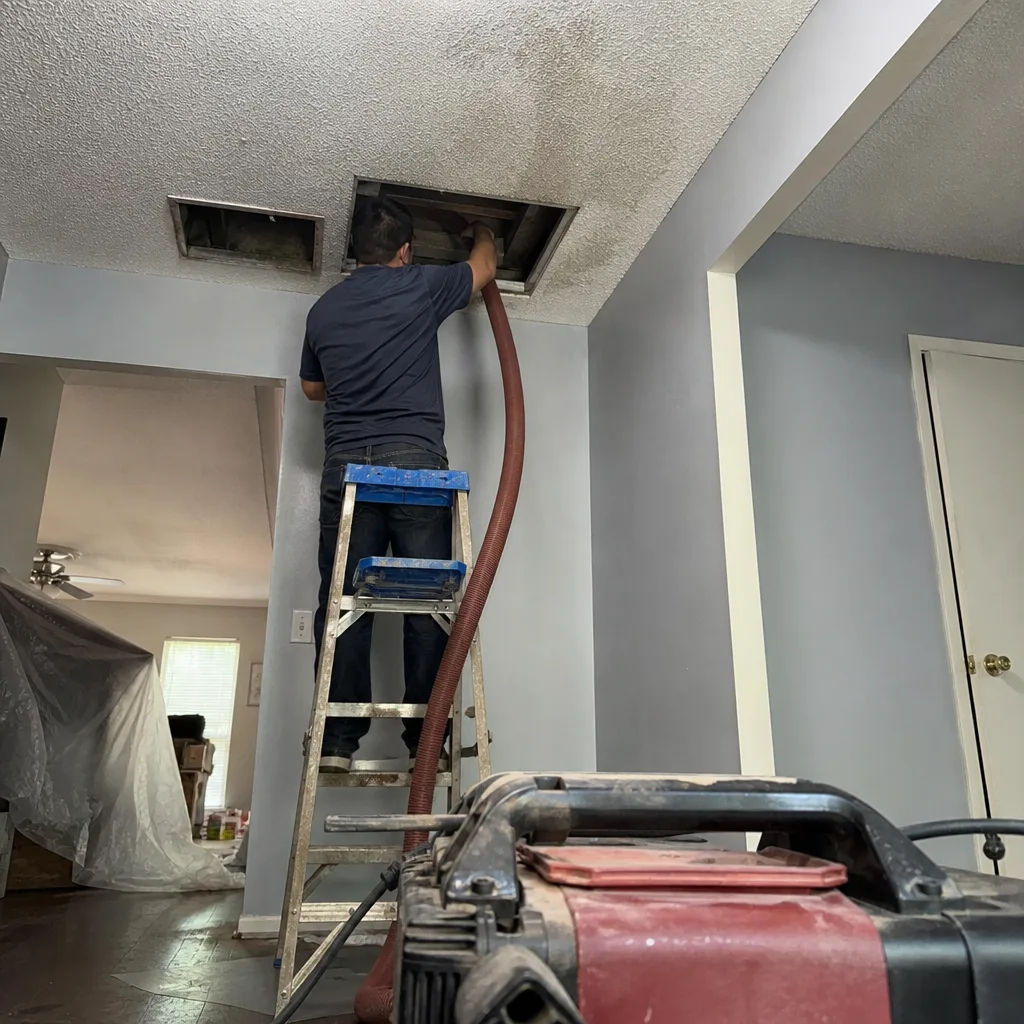
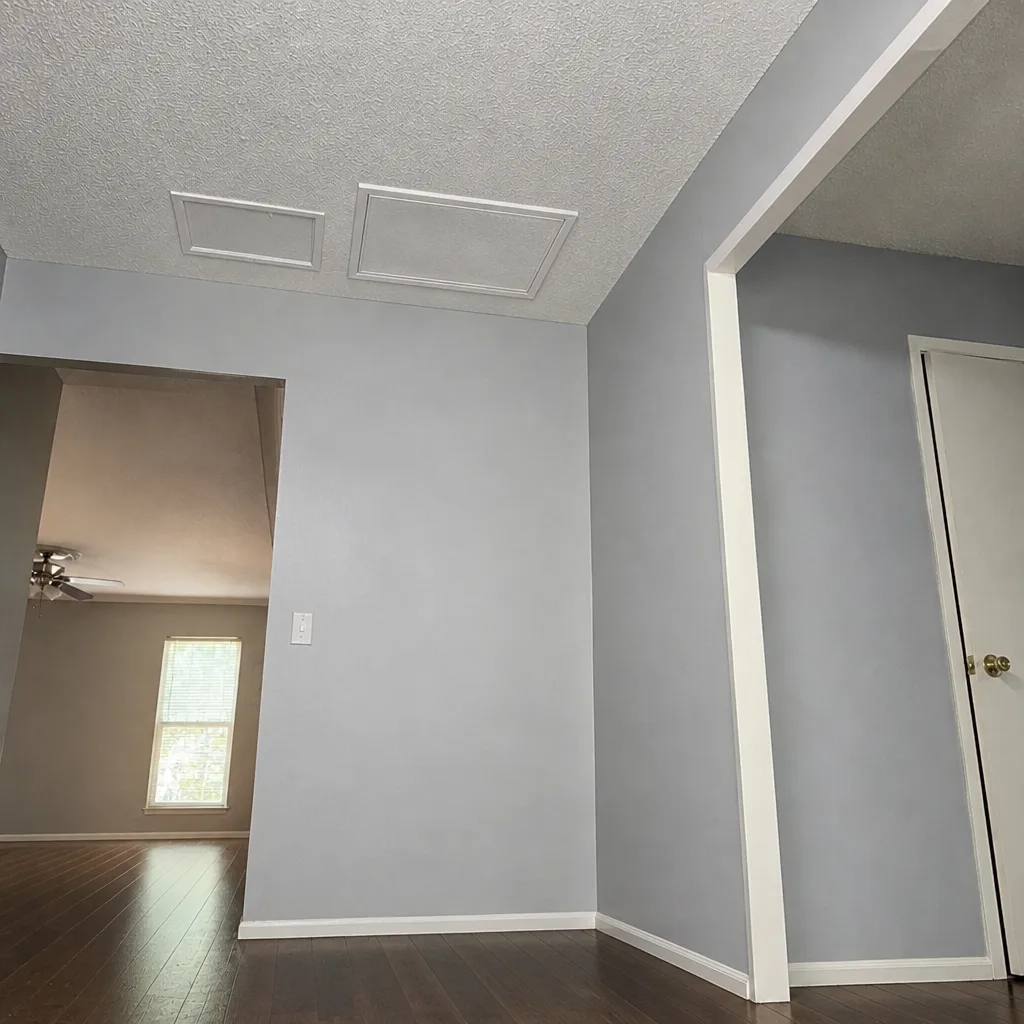
Whole-system duct and dryer vent check with before-and-after photos - you see exactly what came out of your vents
That "$99 whole-house special" is a bait ad - the real number appears once they are in your hallway, or the "clean" is a shop-vac at the register. We photograph the inside of your ducts before and after instead.
Air Duct Cleaning Emergency Preparedness Guide for Grand Prairie Homes
Most homeowners think a duct system only needs attention when it gets dirty. The bigger risk is what enters it during a severe weather event. A tornado can pass half a mile from a Grand Prairie house and leave the structure standing, yet the sudden pressure drop still draws exterior debris, attic insulation particles, and loose contaminants straight into the return air pathways. The building looks fine. The ductwork isn’t. This guide walks Grand Prairie homeowners through post-storm duct inspection, wildfire smoke and industrial air events, safe isolation after a roof breach, the right order of professional services, and the documentation your insurer will ask for.
Quick Answer
After a tornado, severe thunderstorm, hail event, or heavy smoke intrusion in Grand Prairie, don’t restart your HVAC until the duct system and return air pathways have been visually inspected for debris, water, and disconnected joints. If you find contamination or a breach, isolate the system, photograph everything with timestamps, and call a duct professional before a restoration crew or your HVAC technician starts work. The order matters because cleaning a duct system after it has been sealed with debris inside simply bakes the problem in.
Styles & brands we work with
- Whole-home duct cleaning
- Dryer vent cleaning
- Camera inspection
- Sanitizing & deodorizing
Table of Contents
- Post-Storm Duct Inspection: What to Check Before Restarting HVAC
- Wildfire Smoke and Industrial Air Events: Emergency or Maintenance?
- After a Roof Breach or Attic Water Intrusion: How to Isolate Safely
- The Right Order: Restoration, HVAC, or Duct Cleaning First?
- Emergency Documentation for Insurance Claims
- Why Pressure Events Matter More Than Debris Alone
- When Cleaning Reveals Damage: The Case for Duct Repair
- Building a Duct Emergency Prep Kit for Grand Prairie Homes
Post-Storm Duct Inspection: What to Check Before Restarting HVAC
The first hour after a storm is when most duct contamination gets worse, not better. Restarting the HVAC pulls whatever is sitting in the return plenum or has settled in the attic into the living space. Whether you’re in the path of an EF-1 or just had a severe thunderstorm roll through North Texas, the sequence below is the one we walk Grand Prairie homeowners through on every post-storm call.
Work through this in order. Don’t skip ahead.
- Kill the thermostat. Turn the system to OFF before you open any return grille or look in the attic. This prevents the blower from moving debris while you’re inspecting.
- Look at the outdoor condenser and the indoor air handler. Check for standing water, hail damage to the cabinet, and any obvious debris packed against the outdoor unit.
- Check the attic. With a good light and shoes on the joists (never between them), look for daylight through the roof deck, wet insulation, and displaced or crushed flex duct runs. Any attic intrusion is a duct priority even if the living space looks dry.
- Open one or two return grilles. Look at the filter face and the first foot of duct behind it. Fine gray dust is normal. Grit, insulation fibers, sheetrock dust, or visible plant material means the return side has taken on debris.
- Check supply registers for odd debris at the boot. Insulation fibers or gray dust blown out of a supply grille usually mean the return pulled attic air during the pressure event.
- Smell the system. A musty or mineral odor after a storm is a sign of moisture in the duct or the air handler cabinet. If you smell it, keep the system off.
- Photograph everything you find before you touch it. Grille interiors, register faces, filter faces, wet attic insulation, and anything suspicious in the mechanical closet.
If any of steps 3 through 6 turns up a problem, leave the system off. Restarting it spreads contamination through every room in the house and makes the eventual cleanup larger, not smaller. This is the single most important habit we try to get across to Grand Prairie homeowners: the HVAC is not the thing that dries the house out after a storm event, so don’t treat it that way.
If your inspection shows a clean system, you’re done. If it shows grit, insulation fibers, or water, the next step is a professional air duct cleaning visit with before-and-after documentation, not a shop vacuum and a Saturday afternoon.
Wildfire Smoke and Industrial Air Events: Emergency or Maintenance?
Grand Prairie sits close to the DFW industrial corridor and frequently sees smoke drift from large regional wildfires hundreds of miles away. Both create a specific problem for duct systems: fine particulates that pass through standard filters load up the return side, the blower wheel, and the evaporator coil. The question is when that becomes an emergency and when it just means you should clean sooner.
Treat it as an emergency when:
- Visible smoke or char odor persists indoors after windows are closed and the HVAC has run for an hour.
- You have family members with asthma, COPD, or young children, and indoor air quality has clearly worsened.
- Your filter is loading up within days rather than weeks.
- The blower wheel is visibly coated or the evaporator coil has a gray film on it.
Treat it as a maintenance accelerator when:
- Air quality has been smoky for several days but the indoor air still reads clean.
- Your filters are holding up but you notice more frequent changes than usual.
- You’ve just come off a prolonged industrial air event and the system otherwise runs normally.
The distinction matters because duct cleaning done too early is wasted work, and done too late it lets fine particulate accumulate in the system’s low-velocity pockets where filters can’t reach. In Grand Prairie, a smoke-driven cleaning is often best scheduled two to four weeks after the event window closes, when the system has stopped pulling in new contamination and everything that was going to settle has settled.
High-quality filtration helps. Aprilaire and Honeywell filter media are built to catch the finer fractions that cheap fiberglass filters pass through, and upgrading your filter housing is one of the most cost-effective preventive steps before a smoke season hits. That said, filtration slows the loading, it doesn’t eliminate it. A professional-grade system built on Rotobrush and Abatement Technologies equipment can pull out what has already settled, which no filter can.
After a Roof Breach or Attic Water Intrusion: How to Isolate Safely
This is the scenario where a well-meaning homeowner can do real damage in a hurry. A roof breach, a tree limb through a vent stack, a hail-damaged turbine vent, or a wind-driven rain event that soaks attic insulation puts the duct system in a category it was never designed for: it becomes a pathway for exterior air. The correct response is to isolate, not to dry.
What to document before you touch anything
- Photographs of the breach from the attic side, with a wide shot showing the location relative to the air handler and the duct runs.
- Photographs of any wet insulation, especially the blown-in material that surrounds flex duct in most Grand Prairie attics.
- A photograph of the ductwork itself showing water staining, sagging, or any spot where the flex duct jacket has torn.
- The time and date of the photographs, either from the camera timestamp or by a written log you keep alongside them.
- A short video walk-through of the attic narrating what you see, shot on your phone. This is what most adjusters want first.
How to isolate without making it worse
- Turn the HVAC off at the thermostat, then at the breaker to the air handler if the system won’t shut down cleanly.
- Do not run a fan or dehumidifier in the attic until the duct system has been inspected. Blowing air over wet insulation spreads fiber and dust through the attic and into the return side.
- Close off supply and return grilles with painter’s tape and plastic sheet if you see standing water or visible debris at the grille faces. This prevents living-space air from pulling contamination back into the house.
- Do not attempt to drain or open duct runs yourself, especially if they run over finished spaces. Flex duct is easily torn, and a torn jacket turns a small contamination event into a full run replacement.
- Call a duct professional before the restoration crew starts drying. Restoration crews are excellent at what they do, but they need to know the duct system is out of service before they set up equipment and start moving air.
If the water intrusion reached the air handler cabinet, most Grand Prairie homes we see need the evaporator coil, blower wheel, and cabinet interior inspected for standing water. That’s an HVAC call, not a duct call, and it should happen before the duct system is cleaned so the duct cleaning isn’t undone by a wet coil recontaminating it.
The Right Order: Restoration, HVAC, or Duct Cleaning First?
Here’s the sequence that holds up in most Grand Prairie post-storm scenarios. It’s not the only possible order, but it’s the one that stops recontamination, which is the thing that wastes the most money over a claim. Note that this order assumes the roof is closed and water is no longer actively entering.
- Roofing contractor to close the breach. Nothing below this step matters if the roof is still open.
- HVAC technician to inspect the air handler, evaporator coil, blower wheel, and any electrical components that got wet. Duct work on a system with a wet coil wastes the cleaning.
- Restoration crew to dry the structure once the HVAC has been cleared or isolated. They should be told, in writing, that the duct system is out of service.
- Duct cleaning and repair professional to handle the duct system last. The reason is simple: everything upstream has to be dry and stable before you want to open the system back up.
- Final HVAC check and restart after the duct system has been verified clean and any damaged runs have been repaired or replaced.
Where homeowners get this wrong is calling the duct cleaner first because it’s the fastest appointment to get. Cleaning a duct system while the roof is still open, the coil is wet, or the restoration crew is still moving air only kicks the can. In our experience, the cleanings that hold up after a Grand Prairie storm are the ones that come after the structure is dry and the mechanical side is sound.
One important exception: if a strong post-storm odor or visible contamination is affecting occupants with respiratory conditions, the duct system may need immediate isolation and a documented cleaning even before the rest of the sequence plays out. That’s a judgment call best made after a walk-through, not over the phone.
Emergency Documentation for Insurance Claims
Insurers don’t reimburse for contamination they can’t see. The Grand Prairie homeowners who get the smoothest claims are the ones who collected evidence before they cleaned anything, not after. Here’s the documentation set that survives adjuster review.
- Pre-service photographs of every return grille interior, every supply register face, and the air handler cabinet. Shoot wide first, then close.
- Photographs of the attic showing the breach, wet insulation, and duct runs before any drying equipment is set.
- Filter photographs with a ruler or coin for scale, alongside the date. Filters that load in days make the case for accelerated exposure.
- Timestamps on every image. Most phones embed these, but a short written log with times keeps things clean if the metadata gets lost in transmission.
- The pre-storm service record if you have one. A documented cleaning eighteen months ago proves the contamination is new, not pre-existing.
- The post-cleaning report from the duct professional, including before-and-after photographs of your own duct runs. Insurers like third-party verification; adjusters like it even more.
- Any indoor air quality readings taken before and after, if the situation warranted them.
The one thing we tell every Grand Prairie homeowner to do before the adjuster calls: take a video walk-through of the affected space with your voice narrating what you see. Phone video is the fastest way to establish context, and it’s what most adjusters review first.
When the duct professional comes out, ask for before-and-after photos of your own system rather than stock imagery. That documentation is what makes a claim defensible and what makes a cleaning credible. Any company that won’t provide it is one to skip. The Prestige Air Duct standard is built around equipment-verified, documented cleaning precisely because the documentation matters as much as the cleaning.
Why Pressure Events Matter More Than Debris Alone
A tornado or downburst passing near a house doesn’t need to touch the structure to affect the ducts. The pressure differential between the outside air and the inside of a closed home changes suddenly, and any weak point in the building envelope becomes an air pathway. In Grand Prairie homes, that weak point is often the return air system because it’s the one part of the HVAC that runs at negative pressure relative to the rooms it serves.
What gets pulled in through those weak points:
- Attic insulation particles, especially loose-fill fiberglass and cellulose, both common in Grand Prairie attic construction.
- Sheetrock dust and construction debris from any recent renovation, which can sit in attic corners for years.
- Soil and yard particulate driven up through gaps around the foundation and slab penetrations.
- Rodent debris and droppings from attic spaces that get disturbed by the pressure change.
- Smoke and combustion byproducts if a nearby structure fires during the same event or if a generator runs in close proximity.
The counterintuitive part: the more airtight the house is on a normal day, the more dramatic the pressure event can be when a tornado or downburst passes, because there’s no easy relief pathway and the pressure has to equalize through whatever gap is available. That gap is often a crushed flex duct joint, a torn jacket, or a badly sealed return plenum in the attic.
This is why the same Grand Prairie neighborhood can have two homes side by side where one has clean ducts after a storm and one doesn’t. The difference isn’t age or luck; it’s how well the return side was sealed before the event. An air duct cleaning visit that includes a proper pressure check and sealing of the return side is worth far more than a surface cleaning.
When Cleaning Reveals Damage: The Case for Duct Repair
Most cleaning companies clean around damaged duct and never tell you. We think that’s backwards. If a post-storm inspection turns up a crushed flex run, a separated joint, a torn jacket, or a return plenum that’s been pulling attic air for years, cleaning without repair just restores the duct system to its pre-storm condition, which was already leaking.
Three things repair fixes that cleaning can’t:
- The path in. A torn duct jacket is how attic insulation and outside air kept getting in between cleaning visits. Sealing it stops the next storm event from repeating the problem.
- Energy loss. Leaky supply ducts in a Grand Prairie attic lose conditioned air to the attic before it reaches the room. Sealing cuts the run time on the system and the cooling bill with it.
- Pressure balance. Return-side leaks distort the pressure balance between rooms, which is why some rooms feel stagnant and others feel over-pressured. Repair rebalances that.
Air duct repair is a standalone service at Prestige Air Duct for exactly this reason. When a post-storm cleaning turns up damaged ductwork, we fix it in the same visit rather than referring it out. The cleaning and the repair work together; doing one without the other leaves the root cause in place. If you’re not sure whether your ductwork needs repair, the place to start is a documented inspection. Call (866) 361-6858 for a free estimate on a repair or a full cleaning, and we’ll show you what we found with photos before any work starts.
Building a Duct Emergency Prep Kit for Grand Prairie Homes
This is the practical part: what to have ready before the next storm season so the first hour after an event isn’t wasted. The kit is small and cheap compared to the cost of cleaning out a system that got contaminated because nobody shut it down in time.
- A bright flashlight rated for attic use, not a phone light. You’ll need both hands free.
- Painter’s tape and a roll of plastic sheeting. This is what isolates supply and return grilles after a breach.
- N95 masks, at least two. After a storm, you don’t want to be crawling through debris without one.
- A hard copy of your HVAC service records, in the same place as your insurance documents. Pre-storm records are the baseline your insurer will ask about.
- A charged phone or power bank specifically for the documentation walk-through, kept separate from your everyday phone.
- Name and number of your HVAC technician and your duct professional, saved on paper. Digital contacts are useless if the power is out for two days.
- A short written plan taped inside the mechanical closet, listing the order of steps above. In the moment, nobody remembers the sequence without a reminder.
One note specific to Grand Prairie: keep your air handler breaker location written on the same paper as your plan. Some air handlers are on the outdoor panel; some are on a dedicated indoor circuit. Knowing which before the storm saves ten minutes of guessing when the power is flickering.
If you have family members with respiratory issues, save a phone number for your duct professional in a place everyone in the household can find it. The difference between a small cleanup and a full-system restoration is often whether someone thought to shut the HVAC down in the first twenty minutes.
Common Mistakes to Avoid
- Restarting the HVAC to “see if it works.” If debris is sitting in the return plenum, the blower pushes it into every room. Shut the system off until it’s inspected.
- Running a shop vac through your own duct system. Consumer-grade vacuums pressurize the ductwork and can tear flex runs. The contamination ends up in the attic instead of the living room, which is not an improvement.
- Calling the duct cleaner before the roofer. Cleaning a duct system under an open roof is wasted work. Close the breach first, then assess the ducts.
- Replacing filters and calling it solved. A fresh filter catches new particulate but does nothing about what’s already settled on the blower wheel or inside the flex runs. Filters slow the problem; cleaning resolves it.
- Skipping photos because the damage “looks obvious.” It’s obvious in person and invisible on a claim form. Photograph everything with timestamps before you touch it.
- Assuming a nearby tornado means damage without checking. A Grand Prairie home can sit half a mile from an EF-1 and be undamaged, or sit a mile away with a loose return plenum that filled up during the same pressure front. Inspect first, clean only if needed.
- Chasing the cheapest coupon. The low-bid price that becomes a much larger invoice once the technician is on-site is the oldest trick in this industry. Ask for the written price per system before any work starts.
See the difference
 Before
 After
 Before
 After
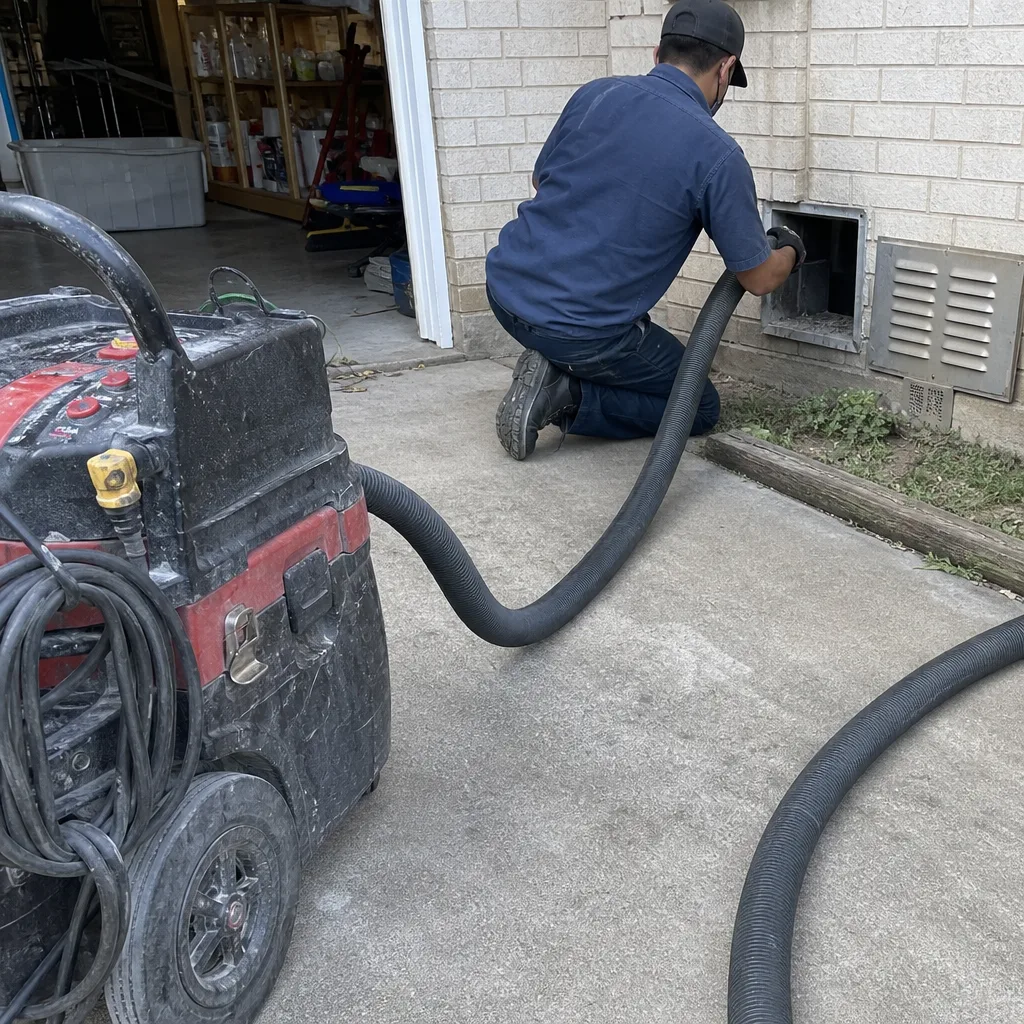 Before
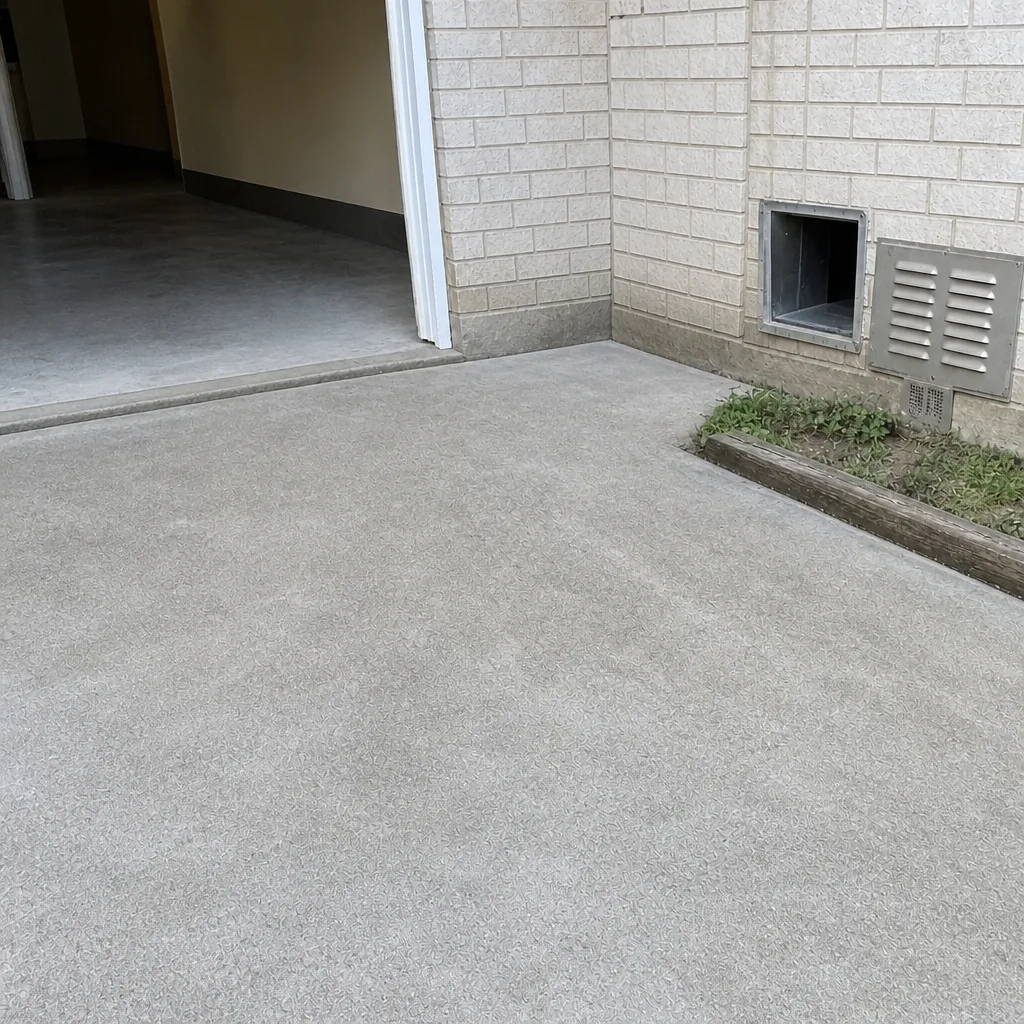 After
When to Call a Professional
Call a duct professional after any storm that:
- Breached the roof, damaged attic vents, or pushed wind-driven rain into the attic.
- Produced visible debris or insulation fibers in the return grilles or supply registers.
- Knocked out debris behind a return filter or visibly loaded the blower wheel.
- Brought dense wildfire smoke or industrial air into the home for several days.
- Involved any amount of water inside the air handler cabinet.
Also call after any pressure event – a tornado within a half mile, a downburst, or a severe hailstorm – even if the house looks fine. A quick documented inspection costs very little compared to a full-system restoration after a missed problem.
Prestige Air Duct offers free estimates in Grand Prairie. Call (866) 361-6858 and we’ll walk the system with you, show the before-and-after photos of your own ducts, and give you a flat written price per system before any work begins. If you have a dryer vent that’s high on your list too, dryer vent cleaning is a fire-safety service we treat with its own protocol, and it’s worth folding into the same post-storm visit. Our technicians have up to 12 years of experience and use professional-grade equipment from Rotobrush and Abatement Technologies on every job, which is what makes the difference between a documented clean and a visual one.
Frequently Asked Questions
Post-storm duct cleaning in Grand Prairie typically runs $400 to $900 for a whole system, with the higher end reflecting heavier contamination, the need for return-side sealing, or repair of damaged flex runs found during the cleaning. Ask for one flat price per system, agreed before work starts, not a per-vent quote. Call (866) 361-6858 for a free estimate; the written estimate sets the final price.
Not automatically, but an inspection is worth doing. A tornado passing within half a mile changes the pressure differential on the house and can pull debris and attic particulates into the return air pathways without touching the structure. Visual inspection of the return grille, the air handler, and the attic duct runs will tell you whether cleaning is needed. Call (866) 361-6858 to schedule an inspection.
Fine smoke particulates pass through standard filters and deposit on the blower wheel, the evaporator coil, and the low-velocity pockets of the supply runs. A several-day smoke event usually means you should plan a cleaning within a couple of weeks rather than immediately, and upgrade your filter media if you’re running a cheap fiberglass filter. Call (866) 361-6858 for a free estimate on a smoke-driven cleaning.
Restoration first, duct cleaning last. Roof closed, HVAC inspected, structure dried, duct system cleaned and repaired – in that order. Cleaning while the structure is still moving air or the coil is wet only leads to recontamination the next week. If you’re not sure where to start, call (866) 361-6858 and we’ll tell you what order makes sense for your situation.
Pre-service photographs of return grilles, supply registers, filter faces, and attic duct runs, with timestamps, plus a short phone video walk-through. Include your pre-storm service records and the post-cleaning report with before-and-after photos of your own ducts. Without documentation, adjusters can’t verify the contamination was caused by the storm. Call (866) 361-6858 and we’ll help you build that packet before cleaning starts.
Most Grand Prairie homes should be cleaned every three to five years under normal conditions, and sooner after any significant pressure event, roof breach, or prolonged smoke intrusion. If you’re seeing debris load in days rather than weeks, or filters that darken within a month, schedule a cleaning earlier. Call (866) 361-6858 – estimates are free and we’ll give you a straight read on whether you can wait.
The Bottom Line
Emergency duct preparedness in Grand Prairie isn’t about buying more gear. It’s about knowing what to shut off, what to photograph, and in what order to call for help. The three habits that prevent the most expensive cleanups: turn the HVAC off before you inspect, photograph everything with timestamps before anyone touches it, and call the duct professional after the roofer and the HVAC tech, not before. Grand Prairie sits in one of the most active severe-weather corridors in the country, and the pressure differential from a nearby tornado or downburst can contaminate a duct system a structure never even felt. Prestige Air Duct provides air duct cleaning, dryer vent cleaning, and duct repair for Grand Prairie homes using professional-grade equipment and documented before-and-after results. Call (866) 361-6858 for a free estimate. We answer 24/7. Fast dispatch from 7am to 7pm, Sunday through Friday. For homeowners outside Grand Prairie proper, you can find more on our Grand Prairie service page or reach us at the same number for a location check.
Written by the team at Prestige Air Duct.