
Last updated November 15, 2026
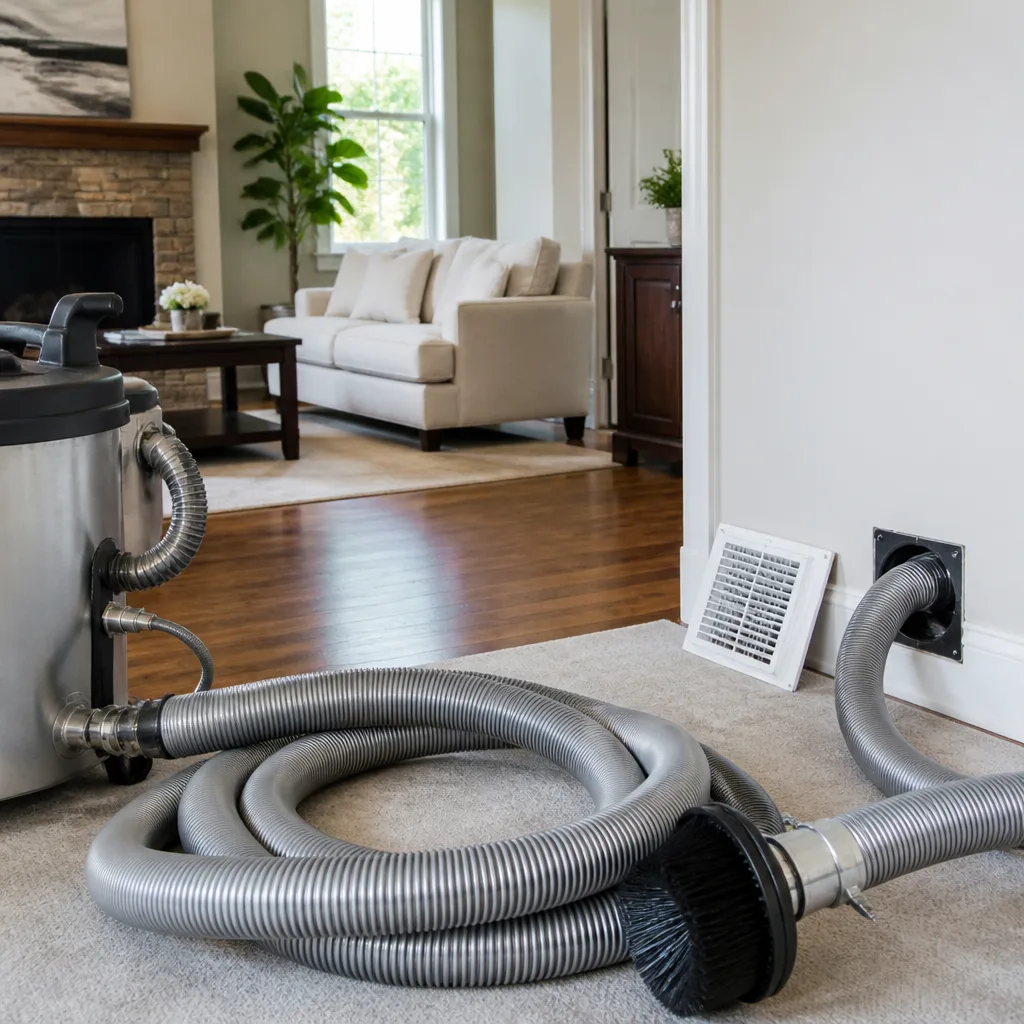 Whole-home duct cleaning
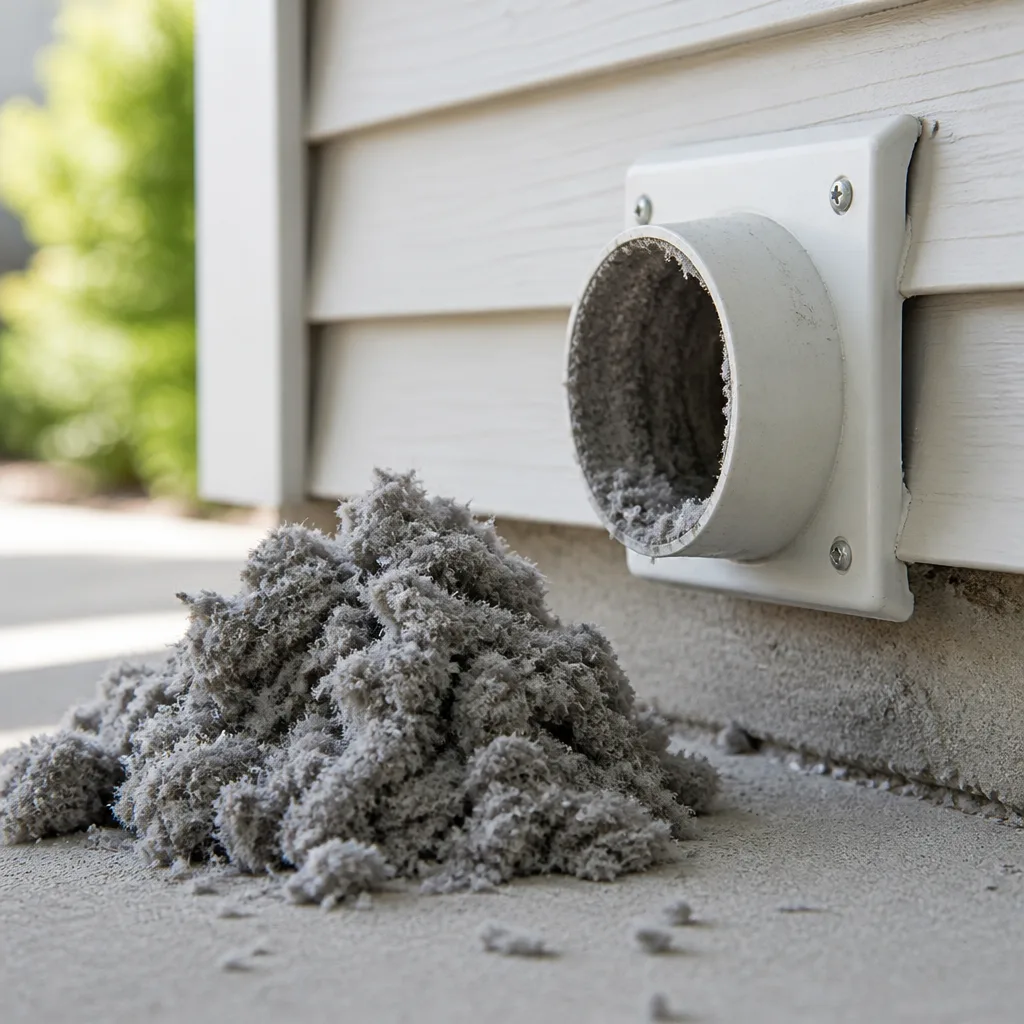 Dryer vent cleaning
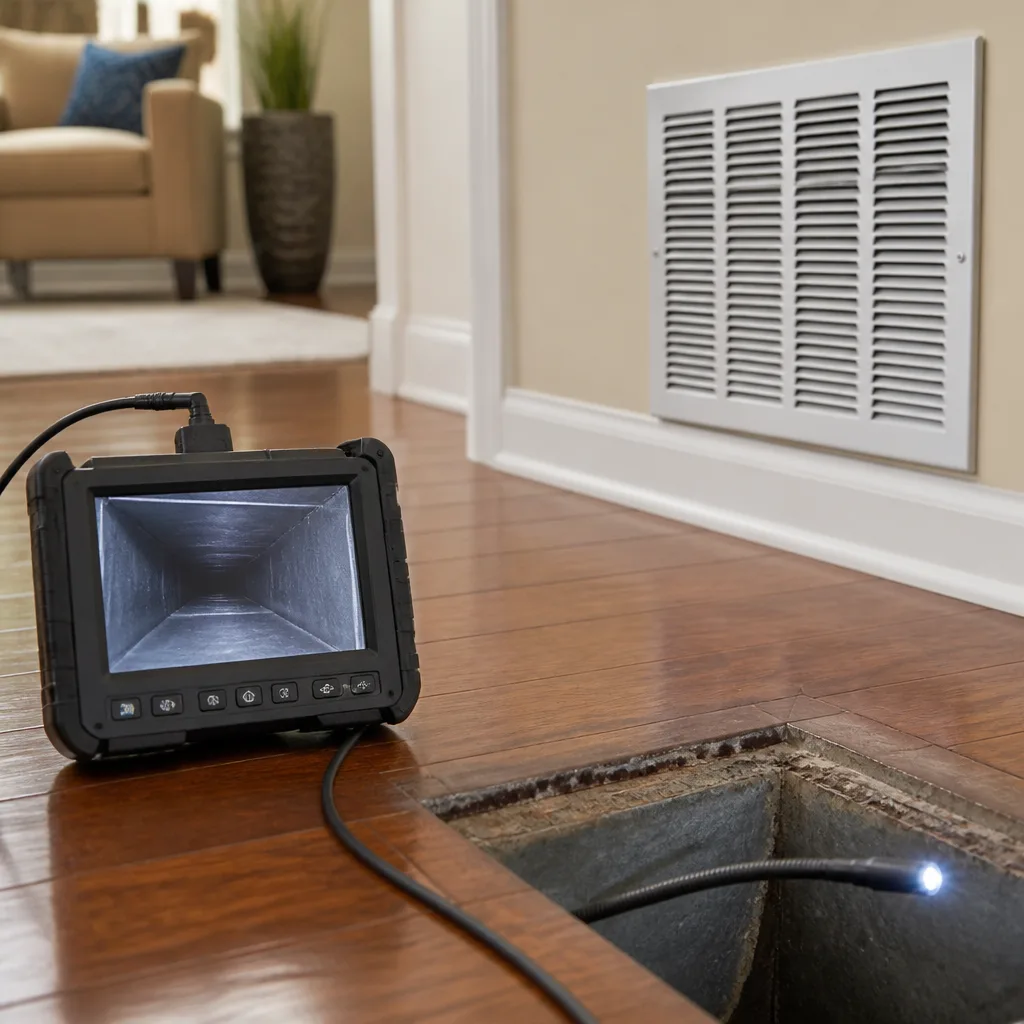 Camera inspection
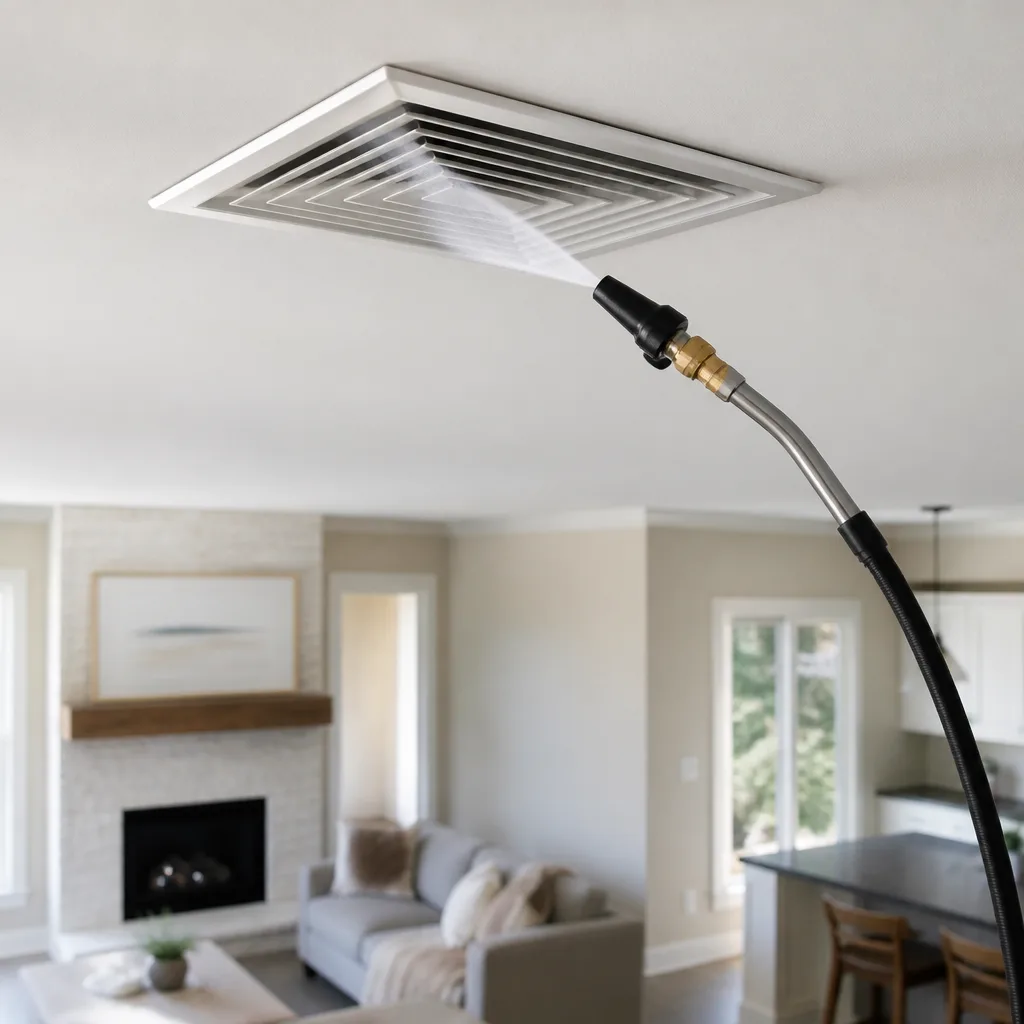 Sanitizing & deodorizing
Whole-system duct and dryer vent check with before-and-after photos - you see exactly what came out of your vents
That "$99 whole-house special" is a bait ad - the real number appears once they are in your hallway, or the "clean" is a shop-vac at the register. We photograph the inside of your ducts before and after instead.
Air Duct Cleaning Warning Signs: A Grand Prairie Homeowner’s Reference Guide
A musty smell that shows up only in the first minute after the AC kicks on is almost never a filter problem. We hear this from Grand Prairie homeowners constantly: they swap the filter, the smell fades for a day, then it’s back. That first-minute timing is a clue. It’s the smell of debris baking on the heat exchanger or sitting in a humid return plenum, and a new filter won’t touch it. The signs your ductwork gives you aren’t random annoyances. They’re diagnostic data you can read. This guide teaches you how to read them accurately, what they point to, and when to monitor versus when to call in a professional.
Quick Answer
The warning signs of dirty or damaged air ducts include a musty smell that appears when the HVAC starts, excessive dust on ceiling fans and registers, rooms that never reach the thermostat setting, visible debris or dark staining around vent covers, and allergy symptoms that flare up indoors. If you notice any of these, a professional inspection will tell you whether the cause is duct contamination, equipment failure, or both. In Grand Prairie, seasonal humidity, attic heat, and post-storm pressure changes all create conditions that push duct systems toward one of these problems.
Styles & brands we work with
- Whole-home duct cleaning
- Dryer vent cleaning
- Camera inspection
- Sanitizing & deodorizing
Table of Contents
- Symptom-to-Cause Reference: What Each Complaint Actually Points To
- Dust and Odor: The Two Most Misread Warning Signs
- Uneven Room Temperatures and What They Reveal
- Allergy Flare-Ups and Indoor Air Quality in Grand Prairie
- Duct Problem or HVAC Problem? How to Tell the Difference
- Grand Prairie-Specific Triggers: Post-Storm and Summer Attic Conditions
- Monitor or Call Now: Sorting Urgent Signs From Watchlist Signs
- Safe First-Response Steps Before You Call a Professional
Symptom-to-Cause Reference: What Each Complaint Actually Points To
The most useful thing you can do as a homeowner is stop treating each complaint in isolation. When a musty smell, dusty ceiling fan, and a bedroom that won’t cool all show up together, they often share one root cause. Here’s how we map the common complaints to what’s actually going on inside the duct system in Grand Prairie homes.
- Musty smell in the first 60 seconds after HVAC starts. Usually debris, dust, or microbial growth on the heat exchanger or in a humid return plenum. A filter change won’t resolve it.
- Consistent dust on ceiling fans and registers within a week of cleaning. Points to air leaking in through gaps at duct joints, or to ductwork that’s under negative pressure and pulling attic or wall-cavity air into the system.
- Rooms that run 4-8 degrees warmer than the thermostat setting. Often a duct balancing or leakage issue, sometimes a crushed or disconnected flex run in the attic.
- Allergy symptoms that get worse indoors and better outdoors. Suggests biological growth, pest debris, or accumulated dust in the supply runs.
- Whistling or rattling at a register. Can mean a partially collapsed duct, a loose damper, or a duct that’s undersized for the airflow it’s forced to carry.
- Visible dark staining around vent grilles. Usually meant the air reaching the register is carrying oil or soot particles – a sign of contamination upstream.
- Dryer taking longer than it did two years ago. Almost always a lint-clogged dryer vent, which is a fire-safety concern, not just an efficiency one. dryer vent cleaning is a separate service from duct cleaning for exactly this reason.
None of these signs alone is conclusive. But two or three together, especially if they’ve been building for months, is a strong enough pattern to justify a professional inspection. Document what you notice and when it happens. That timeline is genuinely useful to the technician who arrives.
Dust and Odor: The Two Most Misread Warning Signs
Dust and odor are the two signs most Grand Prairie homeowners misinterpret, in opposite directions. Dust gets blamed on the filter almost every time. Odor gets blamed on the filter too. In our experience, the filter is doing its job in both cases; the problem is happening somewhere the filter never touches.
Dust on ceiling fans and furniture
Every home has dust. The question is whether it’s excessive. A useful test: after you clean the ceiling fans, how long until a visible film comes back? Most homes in this climate hold a week or two before fans show dust again. If yours are dusty within 48 hours, the system is actively redistributing particles through the supply ducts. That usually means the ducts have a reservoir of settled dust being disturbed by airflow, or the return side is pulling unfiltered air from the attic or crawlspace through leaky joints.
Odor timing tells the story
A smell that appears when the AC starts and fades within a couple of minutes is a debris-bake smell. A smell that’s constant, regardless of HVAC operation, points to a moisture or biological problem in the walls or attic that may be feeding the system. A chemical or burning smell that’s new or sharp is a safety issue and warrants shutting the system off and calling an HVAC technician immediately.
For a longer look at what a proper cleaning process actually involves, see our air duct cleaning page. The short version: it involves negative-pressure containment and mechanical agitation with professional-grade equipment, not a shop vacuum at each vent.
Uneven Room Temperatures and What They Reveal
Uneven temperatures are the slowest sign to notice and often the most expensive to ignore. A bedroom that ran cooler than the rest of the house ten years ago and now runs warm doesn’t have a thermostat problem; airflow is silently getting worse. In Grand Prairie, that’s often because summer attic temperatures cook flexible duct runs until the inner liner starts to sag or separate from the outer jacket.
- Start with a simple comparison. Place a thermometer (or two cheap digital ones) in the warm room and the coolest room at the same time of day. A difference of 3 degrees or less is normal. A difference of 5 degrees or more is a real balancing problem.
- Check the returns. Every room with a supply register should be able to get air back out. Closed doors with no return in the room pressurize the room and stall airflow. Under-cutting the bottom of the door by a finger-width can help temporarily.
- Inspect what you can safely see. With the system off, take a flashlight and look at the visible portion of a supply boot at the register. Loose insulation material or torn duct liner is a sign the ductwork itself is failing and needs air duct repair, not another cleaning.
- Check for closed dampers. Some systems have manual dampers at the trunks. An unlabeled handle in the wrong position will starve a room. Turn the system on and see whether airflow at the register changes when you move the handle; note the position and reset anything that’s obviously shut.
If these steps don’t resolve the imbalance, the next question is whether the problem is duct-side or equipment-side. That’s the diagnostic fork we tackle later in this guide.
Allergy Flare-Ups and Indoor Air Quality in Grand Prairie
Air quality in Grand Prairie is a mixed picture. The region sees seasonal pollen loads, extended stretches of humidity in spring and early fall, and periodic wind-blown dust from the surrounding prairie. A duct system that’s functioning well filters and manages all of that. A compromised one amplifies it. If you or family members are noticing that allergy symptoms are worse indoors than outdoors, or that they linger after the outdoor pollen window closes, duct contamination is one of several plausible contributors worth ruling out.
Signs that duct contamination may be contributing to symptoms:
- Symptoms get worse on the first day the AC comes back on for the season.
- Symptoms are worse in specific rooms and consistent about it.
- You notice a “stale” smell in the rooms where symptoms are worst.
- You see visible dust puffs at supply registers when the system starts.
We’re not medical professionals and we don’t diagnose health conditions. What we can tell you is that the systems we service in homes where families report these patterns often show significant interior accumulation, and cleaning them makes a measurable difference in what registers push into a room. A combo of Honeywell and Aprilaire filtration components on top of a properly cleaned system is often the more complete fix than cleaning alone. If you want to see how we approach the residential side, the Grand Prairie overview page covers the local service picture.
Duct Problem or HVAC Problem? How to Tell the Difference
This is the most common misdiagnosis homeowners make, and it goes both ways. A truly dirty duct system gets mistaken for an HVAC failure, and a genuine HVAC failure gets blamed on dirty ducts. Getting the routing right saves money and time. Here’s how we separate them.
Signs that point to duct issues
- Airflow at registers is weak in some rooms but normal in others.
- The system short-cycles, meaning it shuts off before reaching the thermostat setting; this can happen when a chunk of ductwork is disconnected and the system can’t move enough air.
- You can see or smell evidence of contamination at the registers.
- Dust loads get heavy quickly, as described in the previous section.
Signs that point to HVAC equipment issues
- The system won’t cool at all, runs constantly, or shuts down on its own.
- You hear clicking, grinding, or loud cycling from the outdoor unit.
- You smell burning, harsh chemical odors, or see ice forming on the refrigerant lines.
- The thermostat reads a wildly different number from what rooms actually feel like, but only when the system isn’t running.
When the signs overlap, the right first call is often the duct professional, because a professional inspection will tell you whether the ducts are part of the problem and can route you to HVAC if they aren’t. Our technicians have up to 12 years of experience and have seen plenty of both. We use Rotobrush and Nikro systems, which are the same platforms used in commercial air-quality work, precisely because the inspection needs to be able to distinguish contamination from damage, not just clean and move on.
Grand Prairie-Specific Triggers: Post-Storm and Summer Attic Conditions
Grand Prairie sits in a region that gets its share of spring storms with rapid pressure changes. Those swings do something specific to residential ductwork: they stress the flexible duct runs in attics and crawlspaces, and the inner liner of flex duct can separate from its outer jacket. When that happens, insulation fiber works its way into the airstream and shows up at the registers as small pieces of gray or pink fibrous material, often a few days to a few weeks after a big storm.
Post-storm warning signs to check for:
- Small pieces of insulation material caught in supply register grilles.
- A new whistling sound at any register, especially in an attic-adjacent room.
- Sudden temperature swings in a room that used to be stable.
- Musty smell that appears in the days after heavy rain, then fades again.
Separately, the long, hot Grand Prairie summers are hard on attic duct runs. Attic temperatures can get hot enough that it accelerates the breakdown of flex duct jackets and the adhesives on duct tape, which is why older homes here tend to see more duct-related airflow issues than the same homes would in a cooler climate. If you’ve been in the same house for a decade or more, a periodic inspection of attic ductwork is worth the visit even without an obvious failure.
Abatement Technologies equipment is part of how we handle post-storm remediation, because the standard in indoor-air-quality work is negative-pressure containment rather than open-air cleaning. It keeps the contamination from spreading into the rest of the house while it’s being removed.
Monitor or Call Now: Sorting Urgent Signs From Watchlist Signs
Not every warning sign is a call-now sign. Some are worth watching for a month; some should prompt a professional visit inside a few days; a few are genuinely urgent. Sorting them correctly avoids both panic and neglect.
Monitor, with an eye on the calendar
- Dust on ceiling fans that appears within a couple of weeks of cleaning. Document how fast it comes back and schedule a visit when it gets worse.
- One room running 3-4 degrees off. Watch it through a full season before deciding.
- A mild musty smell that shows up for a couple of minutes at the start of the cooling season, then stays gone.
Call now, within days
- Persistent musty or mildew smell anywhere in the house.
- Visible dust, debris, or fibrous insulation material at multiple registers.
- Any evidence of pest activity in the ductwork – rodent droppings or nesting material seen at a register, or scratching sounds from inside the walls that seem to follow the duct runs.
- One room that has clearly lost airflow compared to the others.
Urgent – shut the system off and call
- A burning or sharp chemical smell coming from supplies.
- Visible mold growth on or near the supply or return registers.
- A dryer vent that’s pushing very little air at the exterior termination, or a dryer that won’t dry clothes at all. Dryer vents are a fire-safety service for us, and we treat them like one.
If you’re in the monitor column, write down the pattern. If you’re in either of the call-now columns, we answer 24/7 at (866) 361-6858. Fast dispatch from 7am to 7pm, Sunday through Friday.
Safe First-Response Steps Before You Call a Professional
There’s a helpful middle ground between ignoring the warning signs and trying to fix the problem yourself. Some steps are safe and genuinely useful. Others aren’t worth the risk, and a couple could make things worse.
What you can safely do
- Change the filter. Not because it’s the fix for a musty smell, but because it eliminates the filter as a variable.
- Vacuum and wipe the register grilles. Clean the removable grilles with a damp cloth. This is a cosmetic step that makes it easier to see what new material is landing.
- Photograph what you find. Take pictures of any debris, staining, or suspicious material at the registers. Patterns over time are more diagnostic than a single observation.
- Note the timing. When does the smell appear? What temperature triggers the worst symptoms? Which rooms and which times of day?
- Check the dryer vent termination outside. Confirm the exterior flap opens when the dryer runs. If it isn’t, or if very little air is coming out, stop using the dryer and call a professional.
- Keep a simple log. Two sentences a day is plenty, and it gives our technicians a real starting point when they arrive.
What to leave alone
- Don’t open duct joints or take apart flex connections. Refitting them incorrectly can cause a pressure imbalance you didn’t have before.
- Don’t spray disinfectants or air fresheners into the ductwork. It masks the symptom without giving you any data about the cause, and some products can damage duct liner.
- Don’t run a shop vacuum into a duct opening. The internal velocities a shop vacuum creates are low; you’ll disturb settled material more than you’ll remove it, and it can push contamination further down the run.
- Don’t attempt to clean the dryer vent run with a leaf blower or improvised tools. Lint packing in a dryer vent is a genuine fire risk, and forcing air through incorrectly can make a clog worse.
See the difference
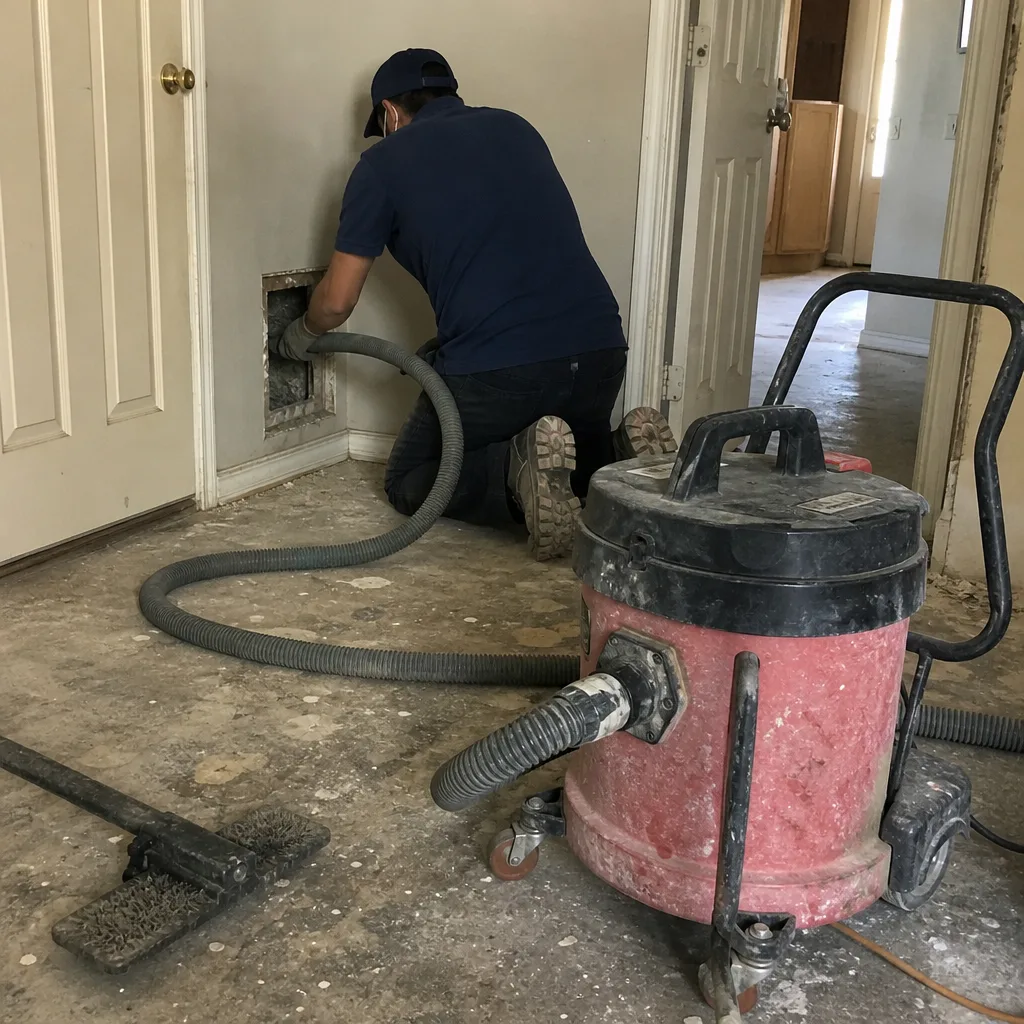 Before
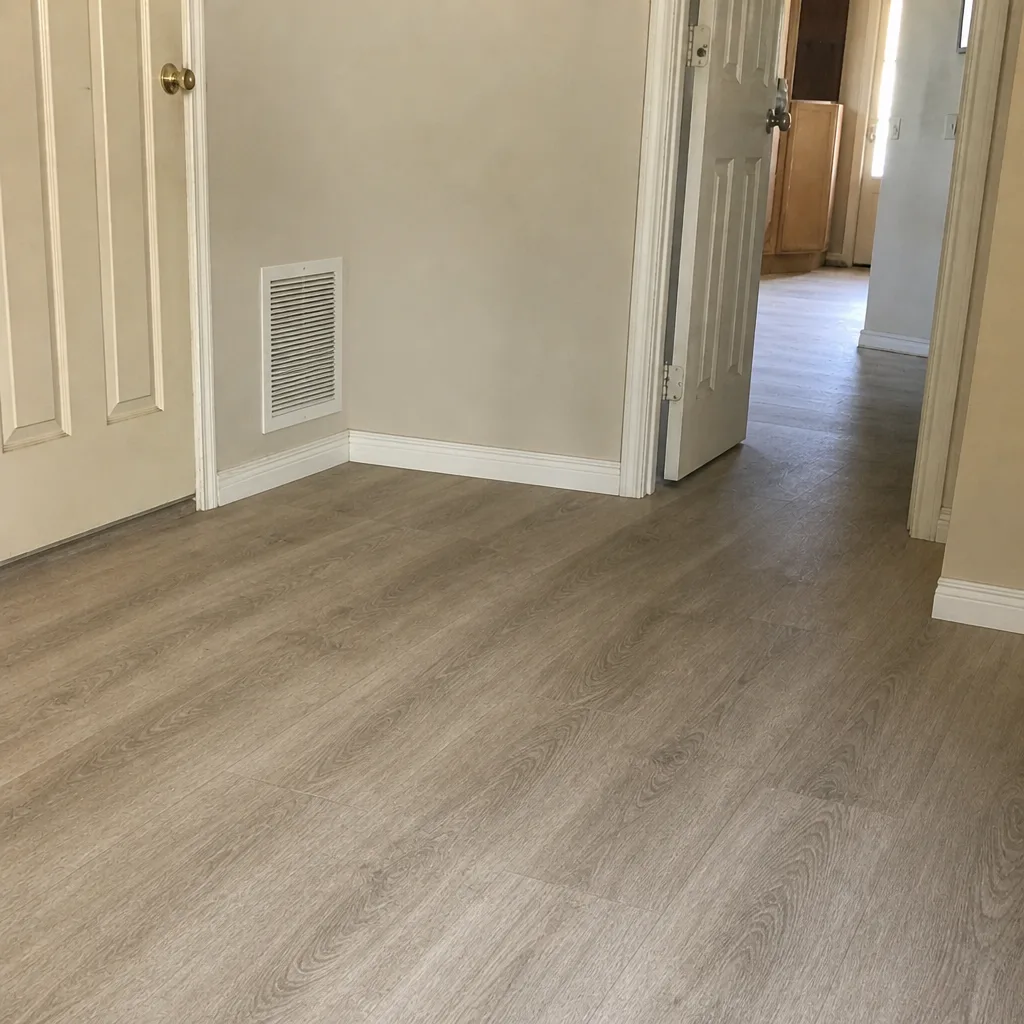 After
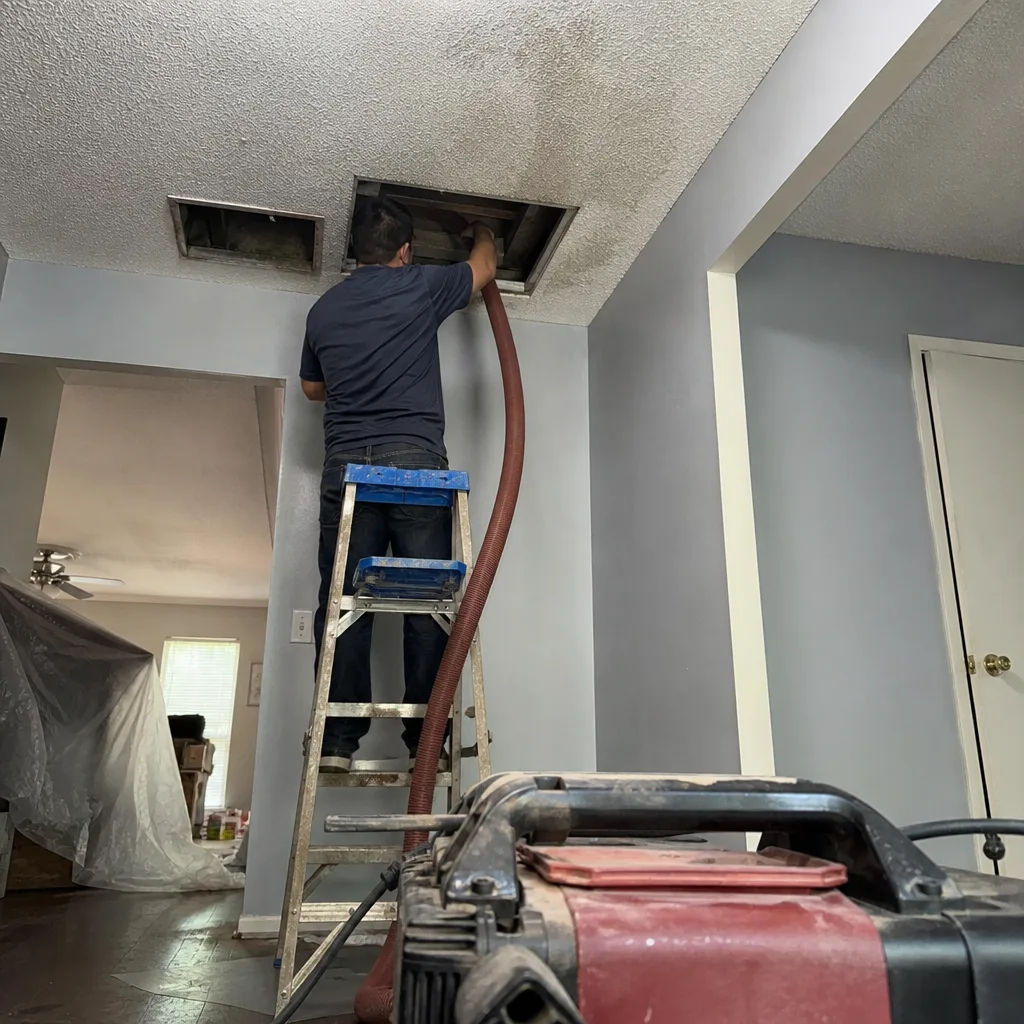 Before
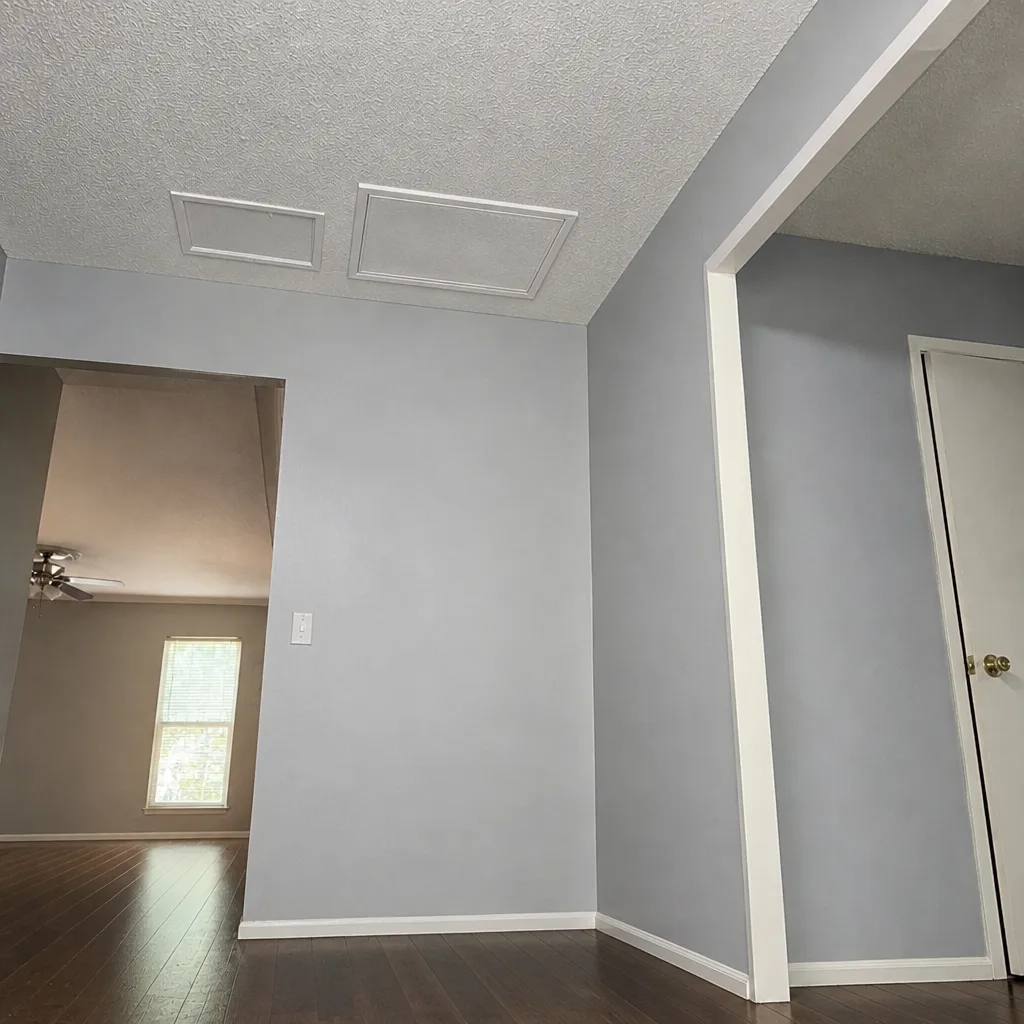 After
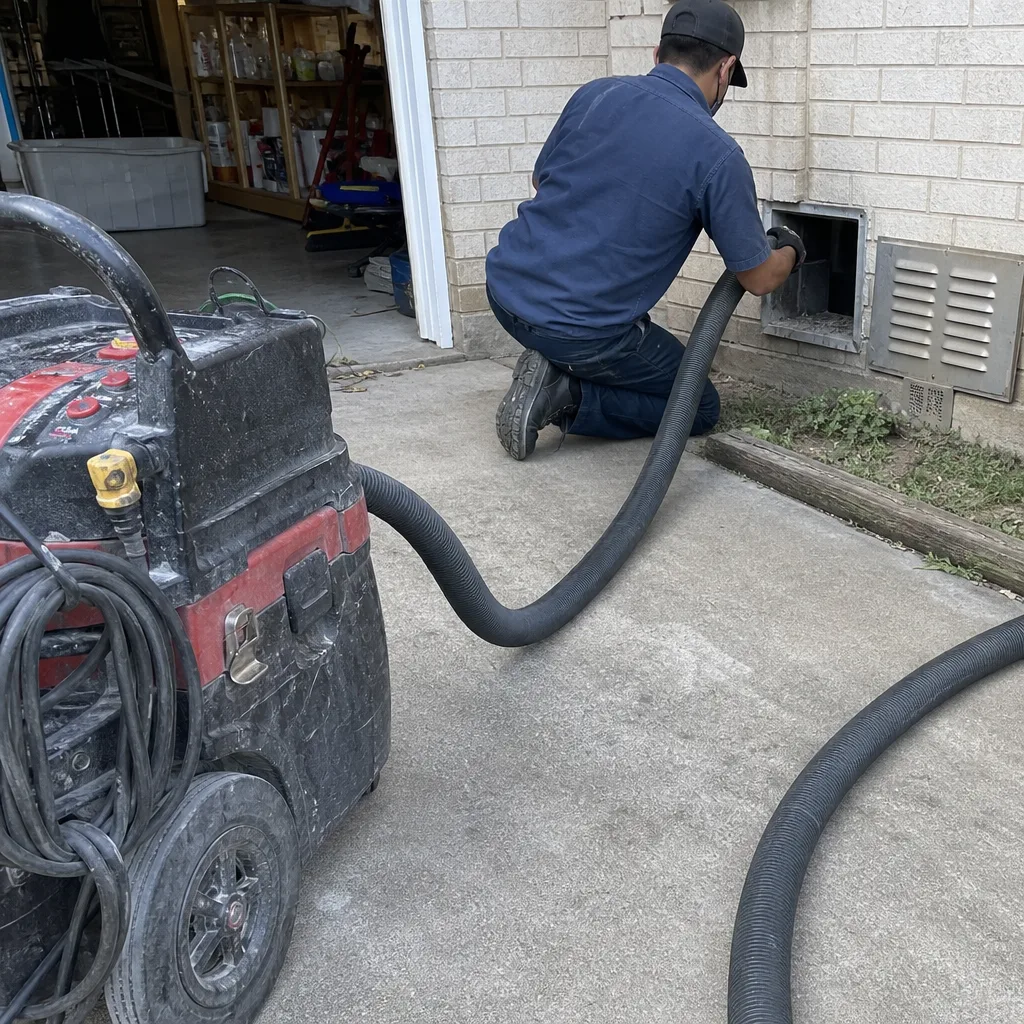 Before
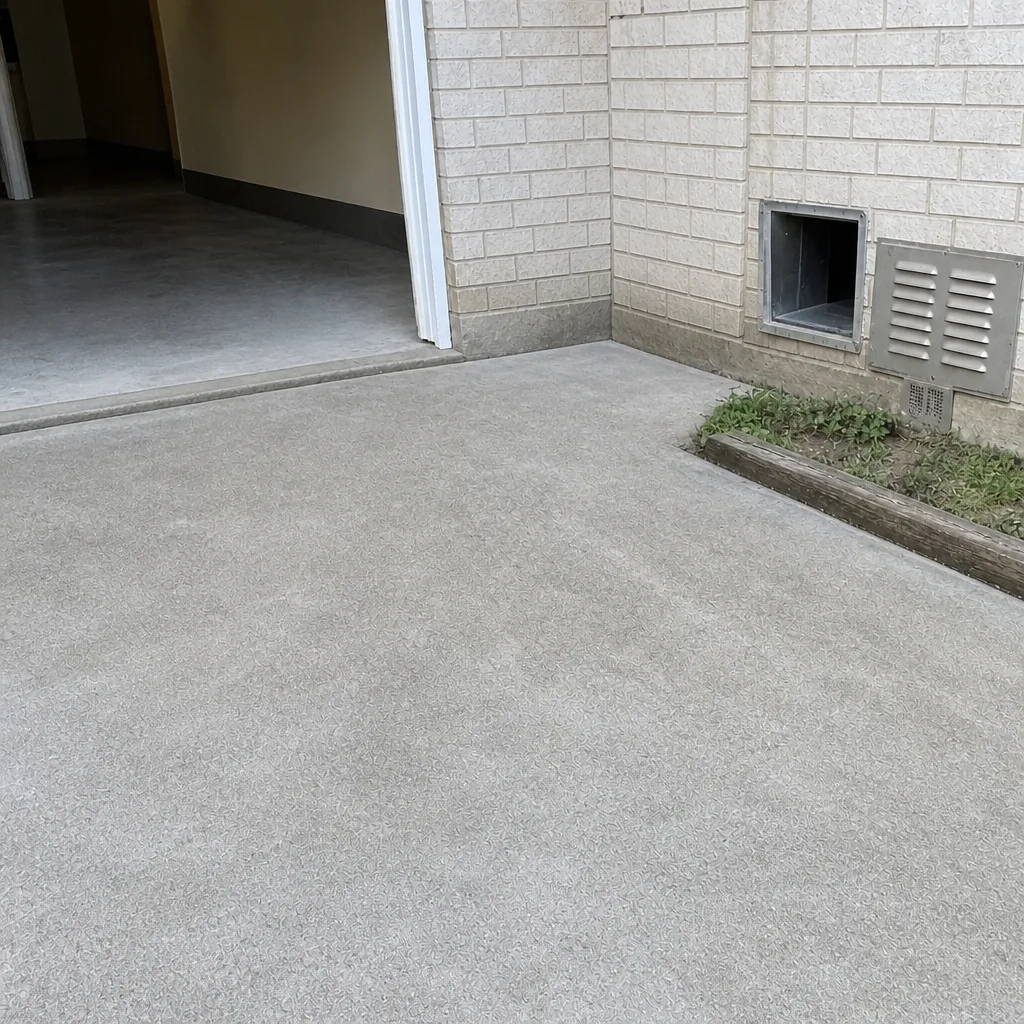 After
Common Mistakes to Avoid
- Assuming a filter change will fix a musty smell. A filter captures what’s already airborne; it doesn’t remove material baked on the heat exchanger or sitting in a plenum. The problem persists behind a new filter.
- Hiring whoever shows up with a shop vacuum and a coupon. Cheap duct cleaning is cheap because the process is fast and uses consumer-grade equipment. Professional cleaning requires negative-pressure containment and mechanical agitation, and the equipment that delivers it isn’t the equipment in a coupon ad.
- Ignoring a dryer vent because the dryer still dries. A dryer that takes longer than it did two years ago is a fire-safety signal, not just an appliance problem. Treat it like one.
- Cleaning ducts when the problem is a leak. If ductwork is disconnected or leaking at the joints, cleaning it is treating a symptom. Repair has to come first in the plan, or at the same time, or contamination returns within weeks.
- Skipping the inspection on older Grand Prairie homes. Homes built before the mid-1990s see more flex-duct deterioration and more tape-joint failures because the materials age out. A visual check is worth doing even without obvious complaints.
- Confusing an HVAC failure with a duct failure. A duct professional should rule out contamination and damage before you spend on a compressor or system replacement. Conversely, don’t expect duct cleaning to fix a system that’s failing mechanically.
- Spraying deodorizers into the return instead of investigating. Masking the smell loses the diagnostic information the smell was giving you.
When to Call a Professional
The right time to call a duct professional is when two or more warning signs appear together, or when any single sign is severe enough that it’s affecting how you live in the house. Persistent musty odor, visible mold, or any sign of pest activity should trigger a call within days. A dryer vent that’s moving very little air should trigger a call today. Standard warning signs like gradually worsening dust, uneven airflow, and seasonal allergy patterns are worth scheduling an inspection once rather than living with indefinitely.
Prestige Air Duct offers free estimates in Grand Prairie. We’ll tell you what we see, what we think the cause is, and whether the fix is cleaning, repair, or a route to an HVAC technician. Call (866) 361-6858. We answer 24/7. Fast dispatch from 7am to 7pm, Sunday through Friday.
Frequently Asked Questions
The most reliable single sign is a matrix, not a symptom: persistent musty odor plus visible debris at registers plus one room running noticeably warmer than the others. Any one of those alone can have other causes. All three together is a confident signal that duct contamination is part of the story. Call (866) 361-6858 for an exact quote; estimates are free.
We set one flat price per system after seeing it, and the written estimate sets the final price. There’s no per-vent pricing and no coupon-then-upsell trick. We give you the range before any work starts, based on the number of systems and the condition we find. Call (866) 361-6858 and we’ll set up the estimate. Estimates are free.
Two reasons, almost every time: equipment caliber and time spent. Consumer-grade vacuums and a pass over each register look like cleaning but don’t create the negative pressure and mechanical agitation professional cleaning needs. The lowest quote often becomes the most expensive job because the contamination isn’t actually removed. Call us at (866) 361-6858 for a quote that reflects the actual process.
Ask for before-and-after photos of your own ducts, not stock images. A professional cleaning operation photographs the inside of supply and return runs before they start and after they finish. We also document what we found and what we did. If a company can’t show you pictures of your own system, that tells you something. Call (866) 361-6858 to schedule and see what we mean.
Most homes here do well on a 3-5 year schedule unless there’s a specific trigger. Triggers include a recent major remodel, a pet addition to the household, water damage or a hurricane-adjacent storm event, or buying a home where the duct history is unknown. Homes near heavy construction or with an older flex-duct system tend to run toward the shorter end. Call (866) 361-6858 if you’re not sure where your home sits. Estimates are free.
If the system itself won’t cool, won’t start, or smells like burning or chemicals, call an HVAC technician. If the system runs but some rooms are weak, dust loads fast, or you smell something musty when it starts, call a duct professional first. We can route you from there. Call (866) 361-6858 and describe what you’re seeing; we’ll tell you which direction to go.
The Bottom Line
Air duct warning signs in Grand Prairie aren’t random. Dust that returns in 48 hours, a musty smell that dies down after the first minute of AC, a bedroom that’s drifted 5 degrees warm over a couple of seasons, and allergy symptoms that are worse indoors than out are all telling you something specific about what’s happening inside the duct system. Read them accurately and you avoid two expensive mistakes: paying for cleaning when repair was the real need, and living with a problem that’s getting quietly worse. If two or more of the signs in this guide are showing up in your home, a professional inspection is the defensible next step. Call (866) 361-6858. We answer 24/7. Fast dispatch from 7am to 7pm, Sunday through Friday. Estimates are free, and we’ll tell you the truth about what we find, whether the fix is cleaning, repair, or a call to your HVAC technician.
Written by the team at Prestige Air Duct.