
Last updated November 15, 2026
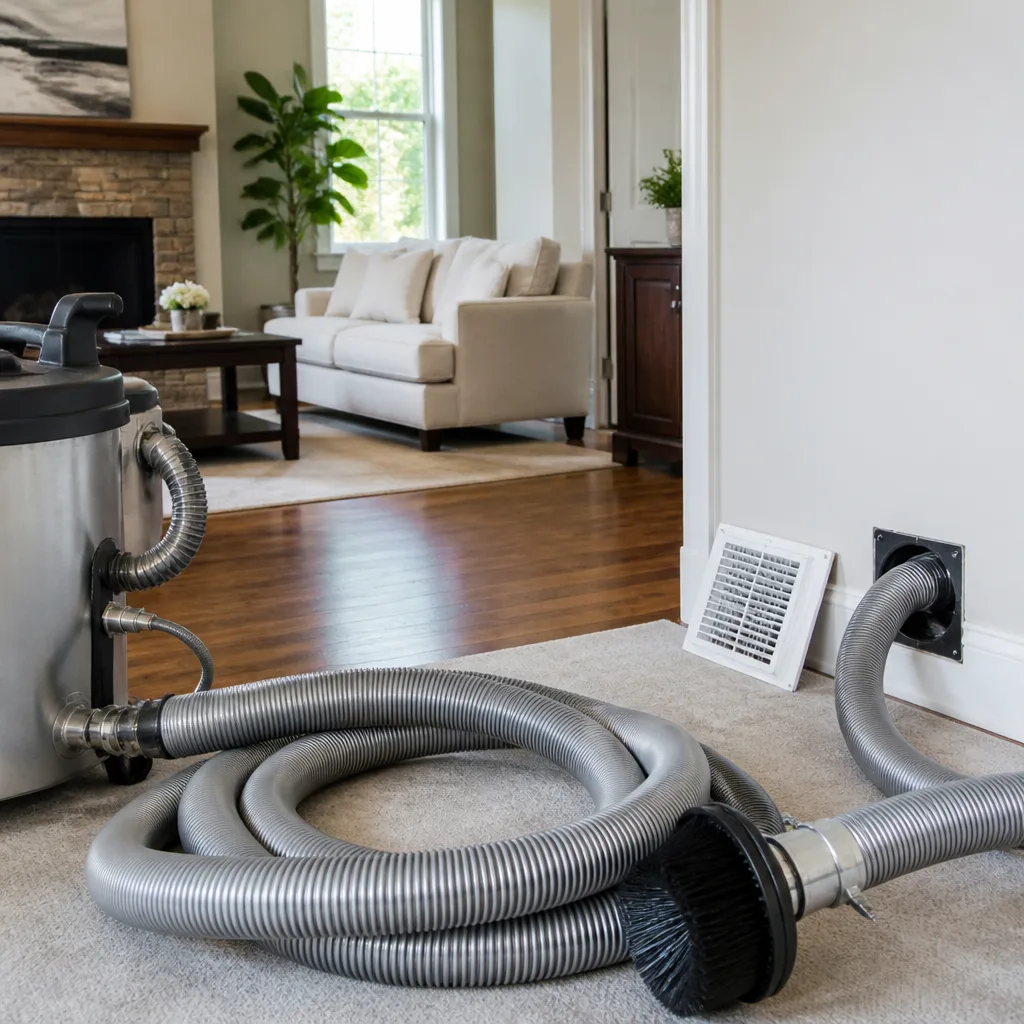 Whole-home duct cleaning
 Dryer vent cleaning
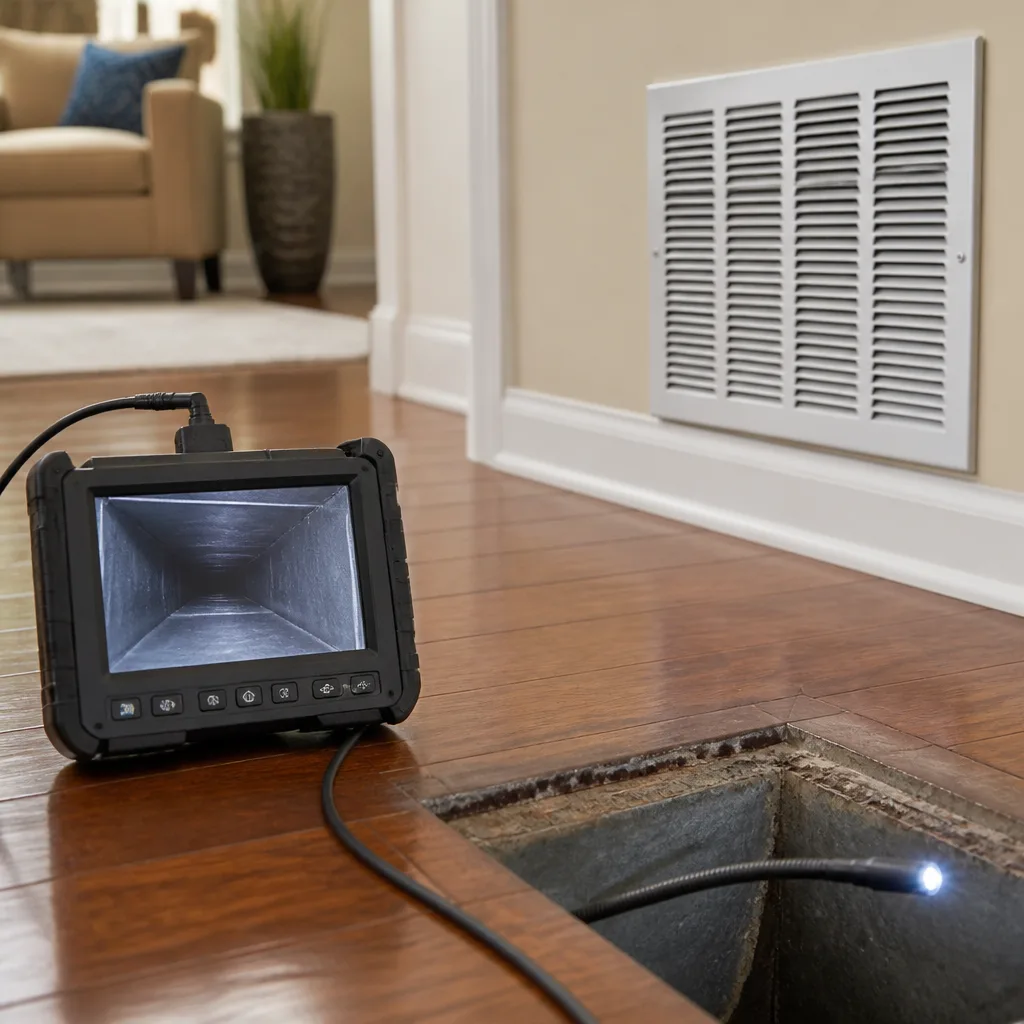 Camera inspection
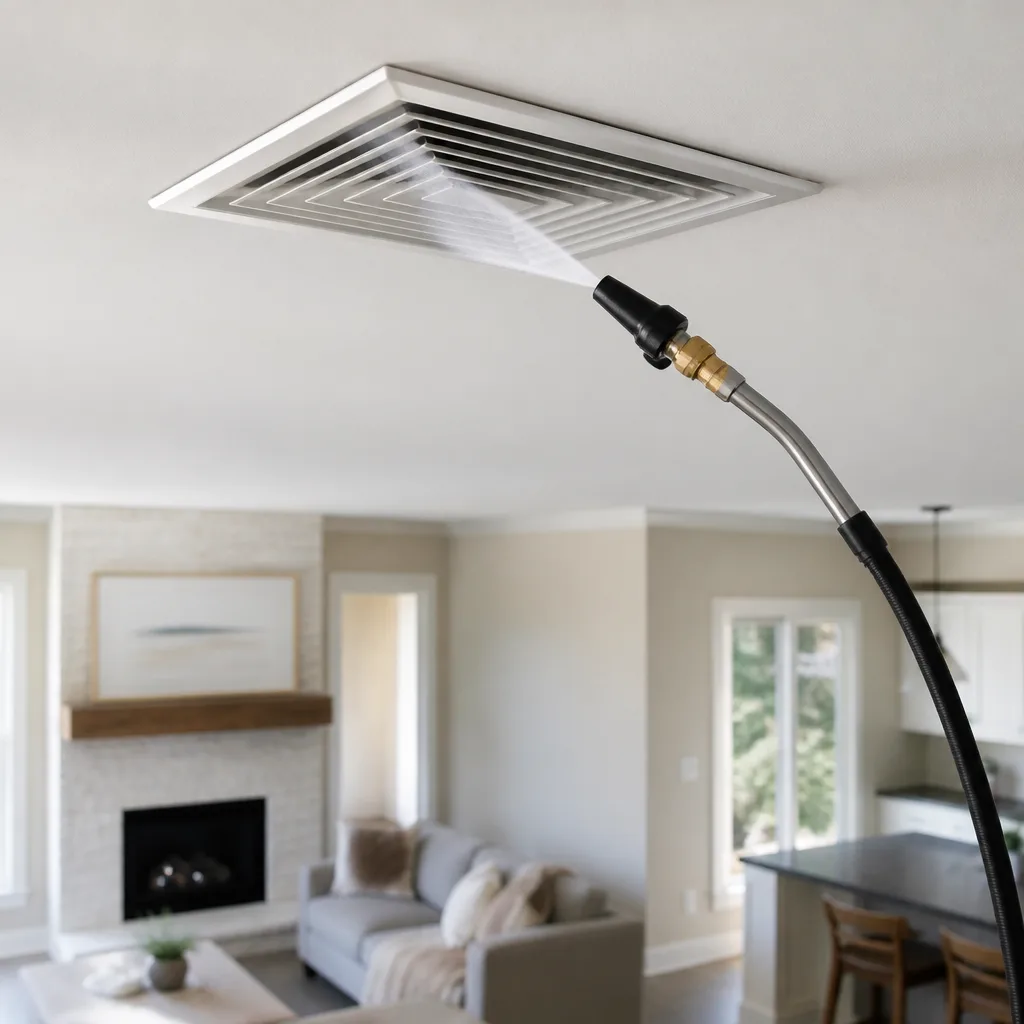 Sanitizing & deodorizing
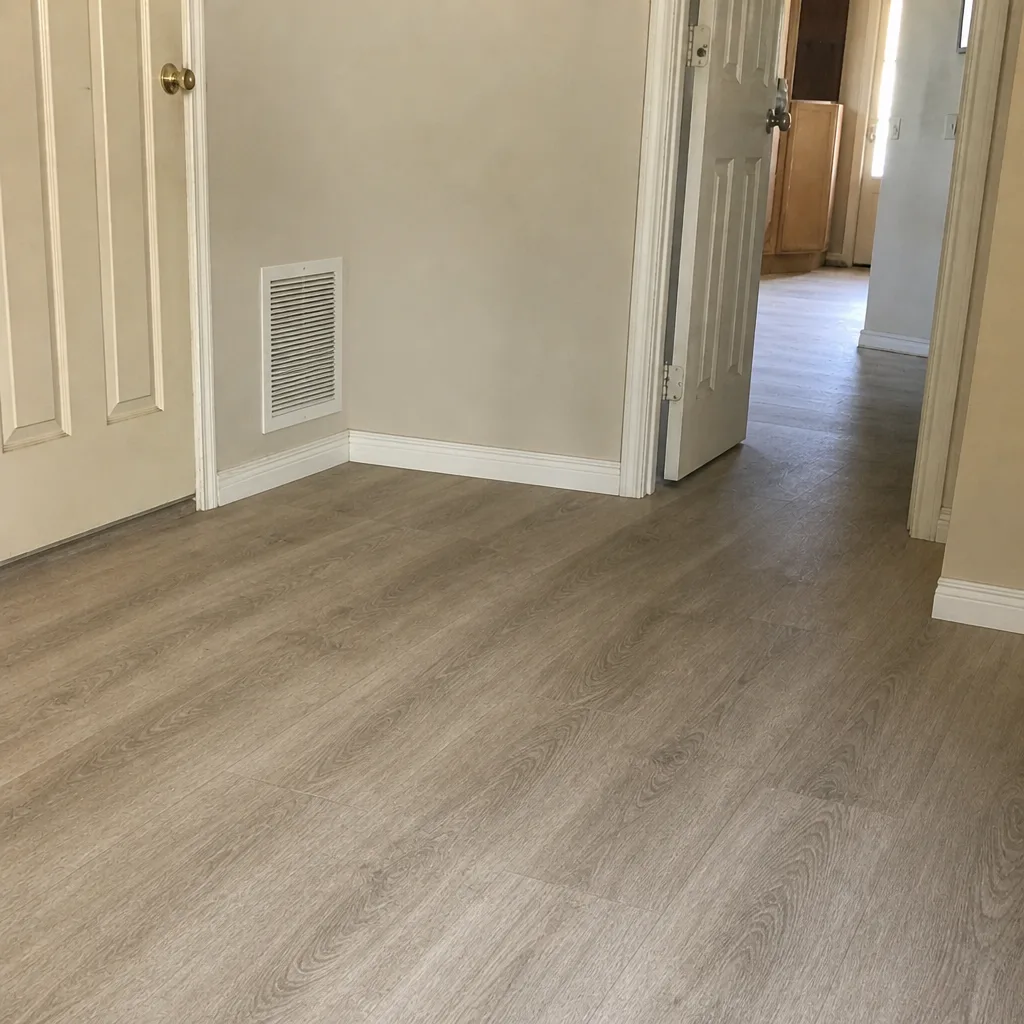
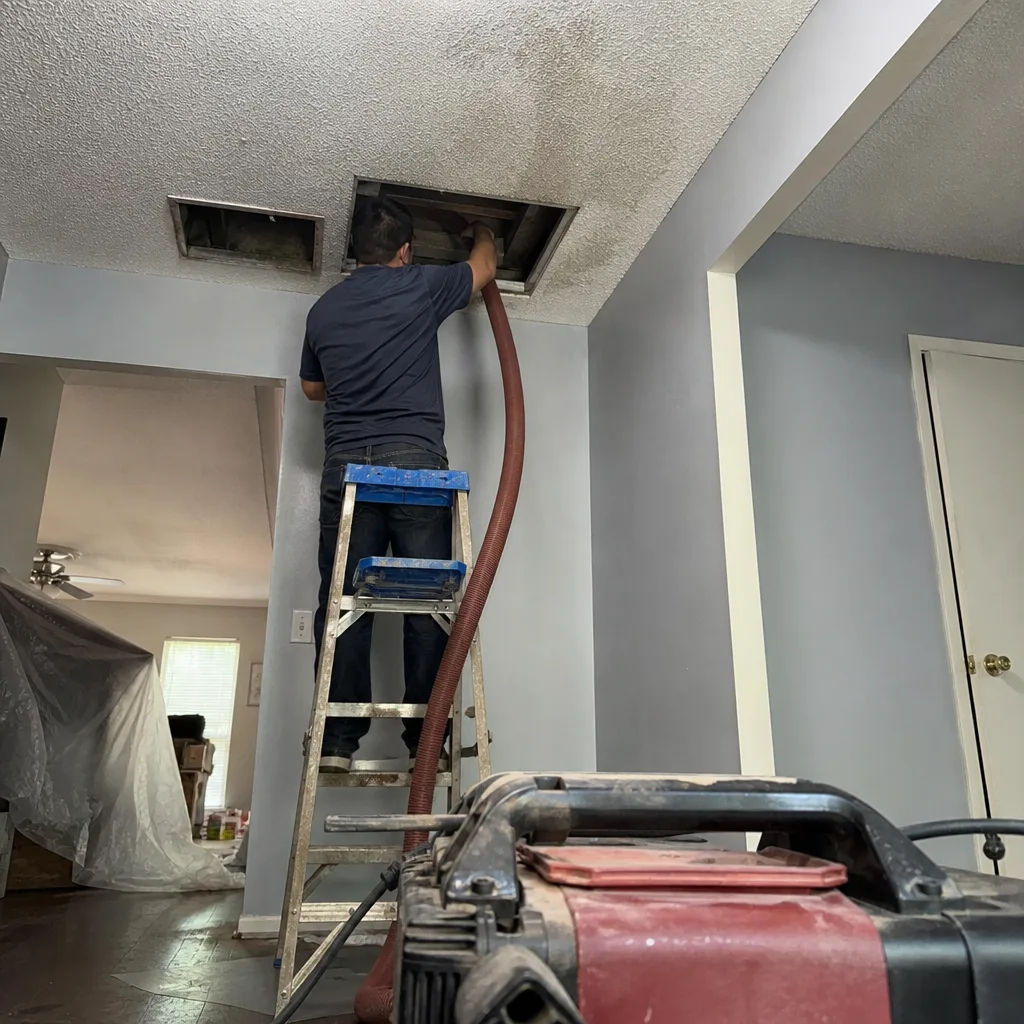
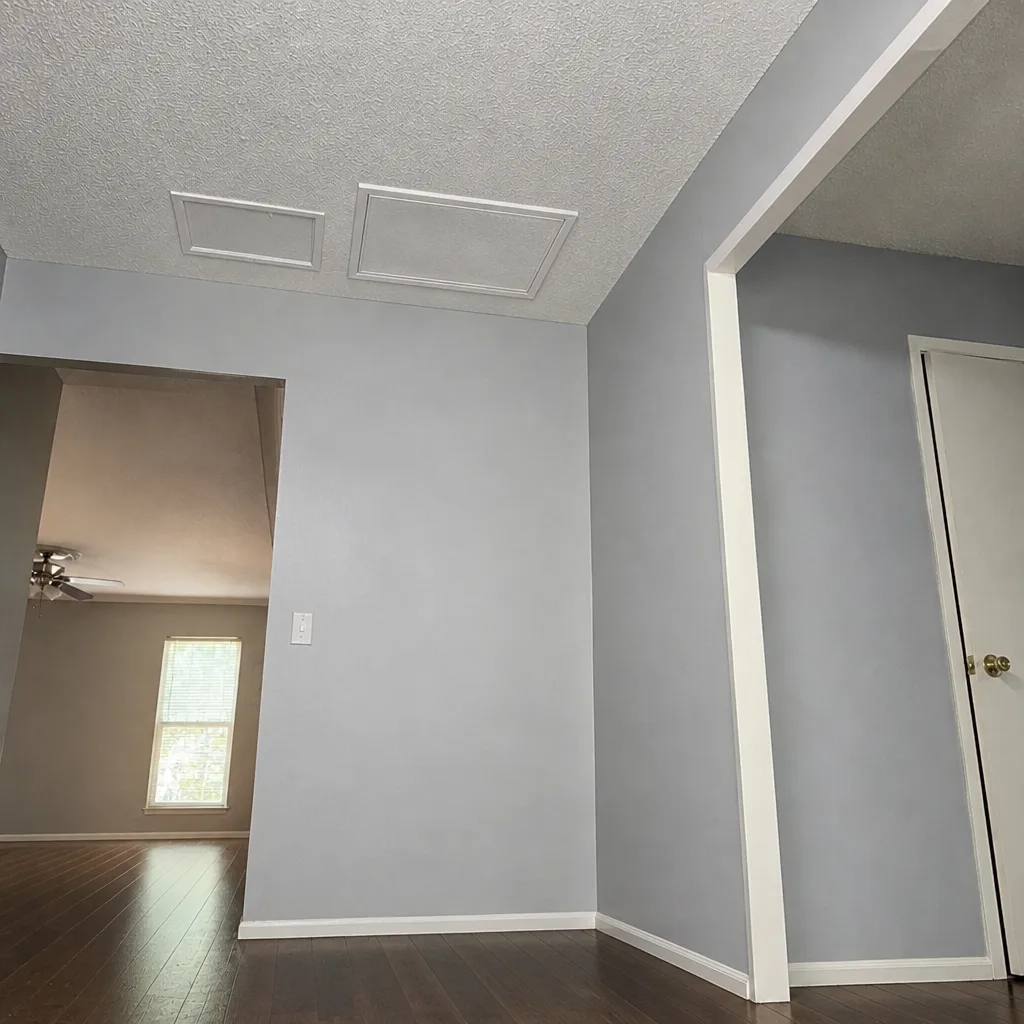
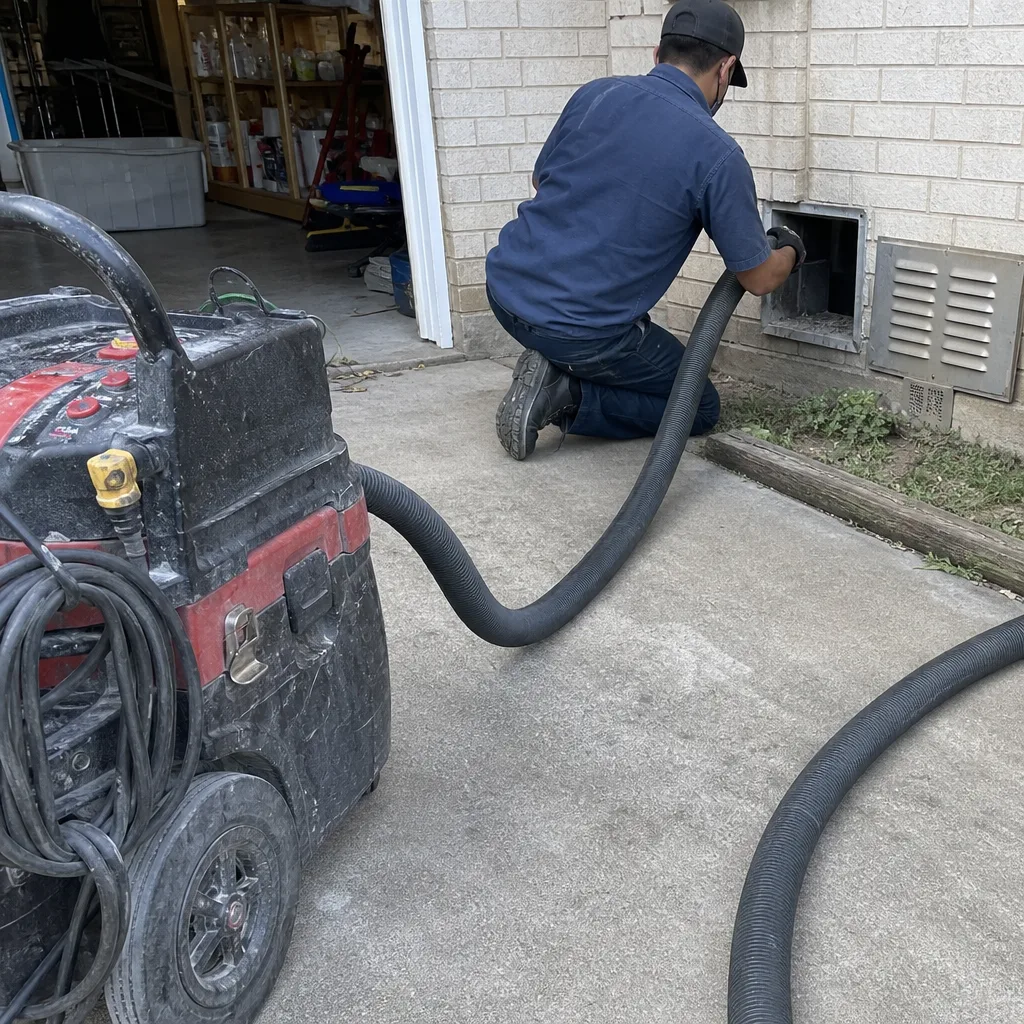
Whole-system duct and dryer vent check with before-and-after photos - you see exactly what came out of your vents
That "$99 whole-house special" is a bait ad - the real number appears once they are in your hallway, or the "clean" is a shop-vac at the register. We photograph the inside of your ducts before and after instead.
Seasonal Air Duct Cleaning Care for Grand Prairie: Year-Round Homeowner’s Guide
Most duct cleaning advice is written for a climate that doesn’t exist here. It tells you to schedule a cleaning in spring and another in fall, as if North Texas moved through four tidy seasons. It doesn’t. Grand Prairie sits in a stretch of country that runs two long cooling seasons, a cedar fever window that starts before the calendar turns, and a storm season that throws grit and pollen into return grilles in a single afternoon. A maintenance calendar built on textbook seasons will miss almost every one of those events. This guide maps duct care to what Grand Prairie weather actually does to an air system, month by month, and shows you when cleaning pays off and when it doesn’t.
Quick Answer
Air duct cleaning in Grand Prairie is best timed around the local load cycle, not the calendar on a greeting card. The heaviest debris accumulation happens during the long cooling season, so a cleaning scheduled in late spring, before runtime climbs, keeps the system working with clean passages through the hottest months. Cedar season in January and February calls for an aggressive filter protocol, and a post-storm inspection in spring and early summer catches what wind and grit leaves behind. Fall cleaning is the lowest-value option here because the system is about to rest.
Styles & brands we work with
- Whole-home duct cleaning
- Dryer vent cleaning
- Camera inspection
- Sanitizing & deodorizing
Table of Contents
- The Grand Prairie Duct Care Calendar, Month by Month
- Cedar Season and Your Filters: January Through February
- Pre-Cooling Season Inspection: March and April
- Peak Humidity and Condensation Risk: June Through August
- Post-Storm Debris Checks: April Through June
- Why 12 to 16 Hours of Daily Runtime Changes Everything
- Why Fall Is the Lowest-Risk Season for Grand Prairie Ducts
- Reading Your Utility Bill as a Duct Health Proxy
- Common Mistakes to Avoid
- When to Call a Professional
- Frequently Asked Questions
The Grand Prairie Duct Care Calendar, Month by Month
Here’s the working calendar we walk homeowners through. It’s built around the actual sequence of load, pollen, and weather that a Grand Prairie air system experiences, which is why it doesn’t match the spring-and-fall advice you’ll find on most HVAC websites.
- January and February: cedar protocol. Mountain cedar releases its pollen in a concentrated window, and the particles are small enough to slip past a standard filter. Switch to the highest MERV rating your system’s blower is rated for, check the filter every two to three weeks, and note whether return grilles are collecting visible dust film.
- March and April: pre-cooling inspection. Before runtime climbs, look at the air handler, check the filter slot for gaps, and inspect accessible duct joints in the attic or garage for separation. This is the window where a cleaning does the most good and an air duct repair catches problems before the busy season.
- April through June: post-storm checks. After a significant wind event, walk the return grilles and check for grit, insulation fibers, and debris pulled into the system through gaps.
- June through August: humidity vigilance. Watch the condensate drain and drain pan. Standing water plus a running system is a contamination source that cleaning alone won’t fix if the drainage isn’t addressed.
- September and October: filter reset. Cooler air means less runtime and a chance to reset filter stock and inspect the coil area before the system rests.
- November and December: dormant inspection. Cheap time to check duct integrity, seal obvious leaks, and schedule anything that needs doing before cedar returns.
Notice what isn’t on the list: an automatic fall cleaning. It’s not that fall cleaning is harmful. It’s that fall is the one season when the dirt hasn’t yet arrived, which makes it the least useful time to pay for it. The heaviest accumulation happens where the system works hardest, and here that means late spring and summer. If you clean once, clean before the load hits. For more on the process itself, our air duct cleaning page walks through what a full system cleaning actually involves.
Cedar Season and Your Filters: January Through February
Mountain cedar pollen in January is the single most reliable annual stress test on a Grand Prairie air system. It arrives early, it’s concentrated, and the particles are small. A standard 1-inch pleated filter is a reasonable first line of defense against large dust and pet hair, but light cedar pollen and the fine grit that travels with it can slip past and settle in the return plenum and duct walls. That settlement is one of the reasons late winter is a better cleaning window than most homeowners assume.
What the cedar protocol looks like
- Upgrade the filter temporarily. Move to the highest MERV rating your blower is rated for. Too high a rating can restrict airflow, so check the equipment rating rather than guessing.
- Shorten the change interval. A filter that normally lasts two months may load in two to three weeks during the cedar window. Check instead of assuming.
- Inspect return grilles weekly. A visible film on the grille face during cedar season is a sign that the return side is getting worked hard.
- Skip the DIY duct sweep. A shop vacuum on a return grille doesn’t reach the contamination downstream, and it can push loose debris deeper into the system.
If January and February leave a visible load on the system, the right response is a professional cleaning that uses real negative-pressure equipment, not a consumer vacuum. Our technicians use Rotobrush and Nikro systems specifically because they’re built to agitate and extract from inside the duct, not just the grille face. The Prestige standard means the work is documented, not eyeballed. If you’ve ended the cedar window with a system that’s clearly loaded, that’s a legitimate reason to clean even before spring.
Pre-Cooling Season Inspection: March and April
March and April are the last quiet stretch before the air conditioner starts running most of the day. It’s the single best time of year for a professional inspection and any duct repair, because the system is lightly used and problems haven’t started showing up as higher bills yet.
What a pre-cooling inspection should cover:
- Filter slot integrity. Gaps around the filter frame let unfiltered air bypass the filter entirely. This is a common source of grille dust and one of the easiest issues to fix.
- Accessible duct joints. Look for separated seams, loosened tape, and disconnected flex duct at boots and plenums, especially in attic runs where heat has been cycling all winter.
- Return-side inspection. The return side often gets less attention than the supply side, but it’s where most debris enters.
- Air handler and evaporator coil. A coil that’s fouled with dust reduces cooling efficiency. If the coil is loaded and the ducts are clean, cleaning is coming too late.
- Condensate drain. Make sure the drain line is clear and the pan is dry before the system starts running for the summer.
If the inspection turns up separation or a collapsed duct run, that’s the window to schedule a proper repair. Prestige Air Duct offers air duct repair as a standalone service, which means we’re not in the position of cleaning around damage to make a short job look complete. Sealing a leak is usually a better use of money in March than cleaning a system that’s already reasonably clean. If you’re in neighborhoods like Grand Prairie’s Lake Parks or Westchester and you’ve never had the accessible attic runs checked, this is the month.
Peak Humidity and Condensation Risk: June Through August
Summer in Grand Prairie puts the air handler in a stretch of constant operation, and constant operation in high humidity means the air handler’s wet side gets a workout. The coil sweats. The drain pan collects water. The drain line carries it away. When any piece of that system stalls, you get standing water next to moving air, and that combination is the fastest route to biological growth in an HVAC system. Cleaning ducts around an active moisture problem is a waste of money. Sequencing matters.
Before you schedule a cleaning in summer, do this first
- Check the drain pan. It should be dry between cycles. Standing water is a drain problem, not a cleaning problem.
- Look at the drain line outlet. Confirm the line is actually discharging water outside, not backing up.
- Inspect the coil area visually (from outside, no disassembly). If you can see visible biological growth or the coil is fouled, that’s a service-call item, not a duct cleaning item.
- Confirm the issue is corrected before cleaning. A cleaning on top of an active moisture problem just resets the clock until growth returns.
We mention this sequence because we regularly talk to homeowners who scheduled a cleaning that couldn’t solve the odor they were smelling. Duct cleaning removes settled debris. It doesn’t fix a wet coil, an obstructed drain, or a compromised plenum. If the underlying moisture issue isn’t corrected, no amount of professional-grade equipment will finish the job. This is where partnering with Aprilaire and Honeywell product lines helps, because those systems address humidity and filtration at the point of use rather than trying to compensate downstream.
Post-Storm Debris Checks: April Through June
Spring and early summer storm season in North Texas is short, intense, and unusually good at pushing debris into places it shouldn’t be. A single gusty line of storms can drive grit, insulation fibers, and fine outdoor dust through gaps in the return side that were quietly leaking all winter. Post-storm inspection is a real part of duct care here in a way it isn’t in places that don’t see this kind of weather.
- Check return grilles for grit after a heavy wind event. A visible film of sand-colored dust is a clue that something on the return side is pulling in outdoor air.
- Walk the attic or garage after major storms. Flex duct runs that were connected last fall can come loose after enough attic heat cycling and thermal movement.
- Look for wet patches around the return plenum. Storm-driven rain plus roof or attic condensation can introduce water at the same time it introduces debris. Fix the water first.
- Verify the outdoor air intake (if the system has one) is clear and its filter is intact.
If a storm leaves you with grit in the grilles, the fix is usually to inspect the return side and seal anything that’s pulling in unfiltered air. Once the source is addressed, a cleaning makes sense. Cleaning without addressing the source is the short-job pattern we try to help homeowners avoid. For the work we actually do, our Grand Prairie service overview is a reasonable place to start.
Why 12 to 16 Hours of Daily Runtime Changes Everything
This is the number that makes duct care here different from most of the country. During the cooling season, a Grand Prairie air handler often runs 12 to 16 hours a day, sometimes more. Compare that to a market that sees a mild summer with a few hours of daily cooling, and the difference in exposure becomes obvious. A system moving that much air for that many hours accumulates contamination much faster than the calendar suggests.
What that means for you:
- Filter load intervals shorten. A filter that lasts two months in a mild climate may need changing in a month here. Check the filter on a schedule rather than by habit.
- Duct passage matters more. Every restriction in the system becomes a real efficiency cost when the system runs this much. Pressure loss adds up.
- Return-side dust settles deeper. The finer particles that would normally stay airborne and drain through the system get pushed and settle in low points in the duct run.
- Cleaning intervals may run shorter than general industry guidance suggests. We don’t publish a fixed recommended interval because systems vary. A general rule of thumb is every three to five years for a typical home, but a Grand Prairie home with heavy runtime and the cedar load may need it sooner.
When you’re calling about a cleaning, the honest conversation starts with how the system is running and what’s visible at the return side, not with a fixed price per vent. That’s why we work by written estimate and a single flat price per system, agreed before anyone starts work. The price you see is the price you pay, and you see before-and-after photos of your own ducts when the job is done.
Why Fall Is the Lowest-Risk Season for Grand Prairie Ducts
Fall is the calendar most cleaning services push. It’s also the least useful season for a Grand Prairie cleaning. Here’s the reasoning. Between September and November the air conditioner scales back, the cedar season hasn’t arrived, and the pollen load from the spring growing season has mostly settled. By the time you reach November, the ducts have actually been exposed to the least contamination they’ll see all year. They will begin loading again in December and more heavily in April. Cleaning in October removes a small load and leaves the heaviest load on the way.
That doesn’t mean fall is a bad time to be doing maintenance. It’s a great time to:
- Check filter stock and restock for the winter.
- Inspect accessible duct runs and seal minor separations.
- Have a coil and drain inspection done before resting the system.
- Schedule a pre-spring cleaning so the work is done before the cooling season begins.
What we push back on is the automatic assumption that fall equals cleaning. Cleaning is about the load, not the label on the season. If a Grand Prairie home has been running heavy for months, or has visible dust at the return side, or has household members with asthma or allergies, cleaning earlier is better regardless of the calendar. If a home is in the quiet stretch with clean ducts and a clean filter, cleaning in fall is spending money for reassurance rather than for results. Homeowners and property managers who take this seriously usually schedule work around the actual load cycle. The Prestige Air Duct approach is built on that principle.
Reading Your Utility Bill as a Duct Health Proxy
You don’t need a duct inspection to notice that the system is working harder than it used to. Your cooling bill is a legitimate proxy, and the comparison tells you more than a visual check of the grille will. The comparison needs to be the same month year over year, on a similar weather pattern, with the same occupants and the same thermostat settings. When the bill shows a 10 percent or greater drop in cooling efficiency against a fair comparison, that’s a signal worth investigating.
What that kind of efficiency drop often points to:
- Filter restriction. A loaded filter increases pressure drop and adds runtime. This is the first thing to check.
- Duct leakage. A separated joint in an attic run wastes cool air into the attic. Common and fixable.
- Coil fouling. Dust on the evaporator coil reduces heat exchange. Regular cleaning prevents this.
- Refrigerant or equipment issue. A charge problem mimics duct efficiency loss. A licensed HVAC technician is the right call for this, not a duct cleaner.
- Duct passages loaded with settled debris. Reduced airflow from settled dust is a real cost multiplier when the system runs 12 to 16 hours a day.
Here’s the honest framing. A utility bill spike doesn’t prove the ducts need cleaning, but it’s a reasonable trigger for a proper inspection. At that point, we look at whether cleaning, repair, or a different kind of service is the right answer. That’s why we offer air duct repair as a standalone service: sometimes the bill spike is a leak, and sealing the leak solves it without a full cleaning. Grilles, filters, and billed efficiency are all proxies for what’s going on inside the duct run. The only reliable answer comes from looking with actual equipment.
Common Mistakes to Avoid
- Treating fall as the default cleaning season. In Grand Prairie, fall is the lowest-value cleaning window because the load is at its lightest. Clean before the load cycle, not after it, or you’re paying to reset the clock until April.
- Buying a cleaning priced per vent. A low teaser coupon that becomes a larger invoice after the technician arrives is the industry pattern that gives duct cleaning a bad name. One flat price per system, written down and agreed before work starts, is the defensible version.
- Cleaning without inspecting the source of the debris. If the return side is pulling unfiltered air through a gap in the filter slot or a separated flex run, cleaning is temporary. Find the source first, then clean, and if you need duct repair, get the repair done as part of the same plan rather than pretending it isn’t there.
- Ignoring the drain pan in peak summer. Scheduling a cleaning while the coil is wet and the drain is backing up means the cleaning is chasing a problem the cleaning can’t fix. Sequencing matters, and it’s more important during June through August than at any other time of the year.
- Running a higher MERV filter than the blower is rated for. A common response during cedar season. A filter that’s too restrictive for the equipment adds pressure drop and can reduce cooling performance. Check the equipment rating.
- Using a shop vacuum on a return grille as DIY duct cleaning. It doesn’t reach what’s downstream, and it can loosen settled debris that then travels further into the system. The professional systems exist for a reason.
- Assuming dryer vent care is a separate, optional task. It isn’t optional. A clogged dryer vent is a genuine fire-safety issue, and it’s a distinct service line with its own protocol, not a duct cleaning add-on.
When to Call a Professional
Call a professional when the question is bigger than the filter. Visible dust film returning to grilles within days of a filter change, air that smells musty or earthy when the system starts up, a cooling bill that shows a clear drop against the same month last year, evidence of a separated flex duct at a boot or plenum, or debris visible in the supply side after a major storm all point to work that a homeowner can’t safely do without the right equipment. Call sooner if anyone in the home has asthma or allergies, or if you’re managing a rental and need documentation of the work. Prestige Air Duct offers free estimates in Grand Prairie. Call (866) 361-6858. We answer 24/7. Fast dispatch from 7am to 7pm, Sunday through Friday. The estimate is free, the price is set per job, and the written estimate is the price.
Frequently Asked Questions
There’s no single interval that fits every home here, but a reasonable starting point for a typical system is every three to five years, and often sooner in a Grand Prairie home because the cooling season runs 12 to 16 hours a day and the cedar window adds an annual fine-particle load. Homes with pets, recent renovations, or household members with asthma or allergies should err toward the shorter end and get a proper inspection first. Call (866) 361-6858 for an exact quote based on your system.
Cheap quotes usually come from three places: a per-vent pricing model that grows once the technician is on site, a shop-vac-style tool that doesn’t reach the actual duct surface, or a cleaning that skips the return side and the air handler entirely. The verifiable version is one flat price per system, a written estimate before work starts, and before-and-after photos of your own ducts. Call (866) 361-6858 and we’ll walk through the estimate line by line.
Ask for before-and-after photos of your own ducts, not a stock image, and ask what equipment the crew is using. Professional-grade systems like Rotobrush and Nikro are built for documented cleaning; a shop vacuum isn’t. Our process is set up around that kind of evidence. Call (866) 361-6858 for an estimate and we’ll explain exactly what we do and what you’ll see when it’s done.
It could be, but not automatically. A 10 percent or greater efficiency drop can point to a loaded filter, a separated flex duct in the attic, a fouled evaporator coil, or a refrigerant issue, and it usually takes a professional inspection to sort out which. A duct cleaning can fix settled debris; an air duct repair can fix leakage; an HVAC technician should handle refrigerant. We’ll look and tell you honestly which one applies. Call (866) 361-6858 for a free estimate.
Usually yes, and property managers schedule this routinely between tenant turns or during normal occupancy. What matters is a clear written estimate, a defined scope covering the return side and air handler, and photos of the finished work for the file. Prestige Air Duct keeps that documentation standard. Call (866) 361-6858 to schedule.
It’s a separate service with its own protocol because it’s a fire-safety issue, not a dust issue. A clogged dryer vent traps heat and lint and creates a real risk, and the appliance runs less efficiently at the same time. We treat dryer vent cleaning as its own scheduled service, and it’s worth putting on the same yearly review as your duct care so neither gets forgotten. Call (866) 361-6858 to book it.
The Bottom Line
Grand Prairie doesn’t hand you four neat seasons to plan around. It hands you a cedar window, a long cooling season, a storm season, and a genuinely quiet fall. The right duct care schedule follows that cycle: temporary filter upgrades in January and February, an inspection and any needed repair in March and April, humidity and drain vigilance in the summer, post-storm checks in the spring and early summer, and a filter reset in the fall with cleaning pushed to the pre-cooling window rather than the calendar label. Watch the utility bill as a proxy for duct health and let it trigger an inspection, not a purchase. If you’d rather have someone look at the actual system, call Prestige Air Duct at (866) 361-6858 for a free estimate. Clean ducts, verified, is the standard, and this is what verifying looks like in a Grand Prairie year.
Written by the team at Prestige Air Duct.
See the difference
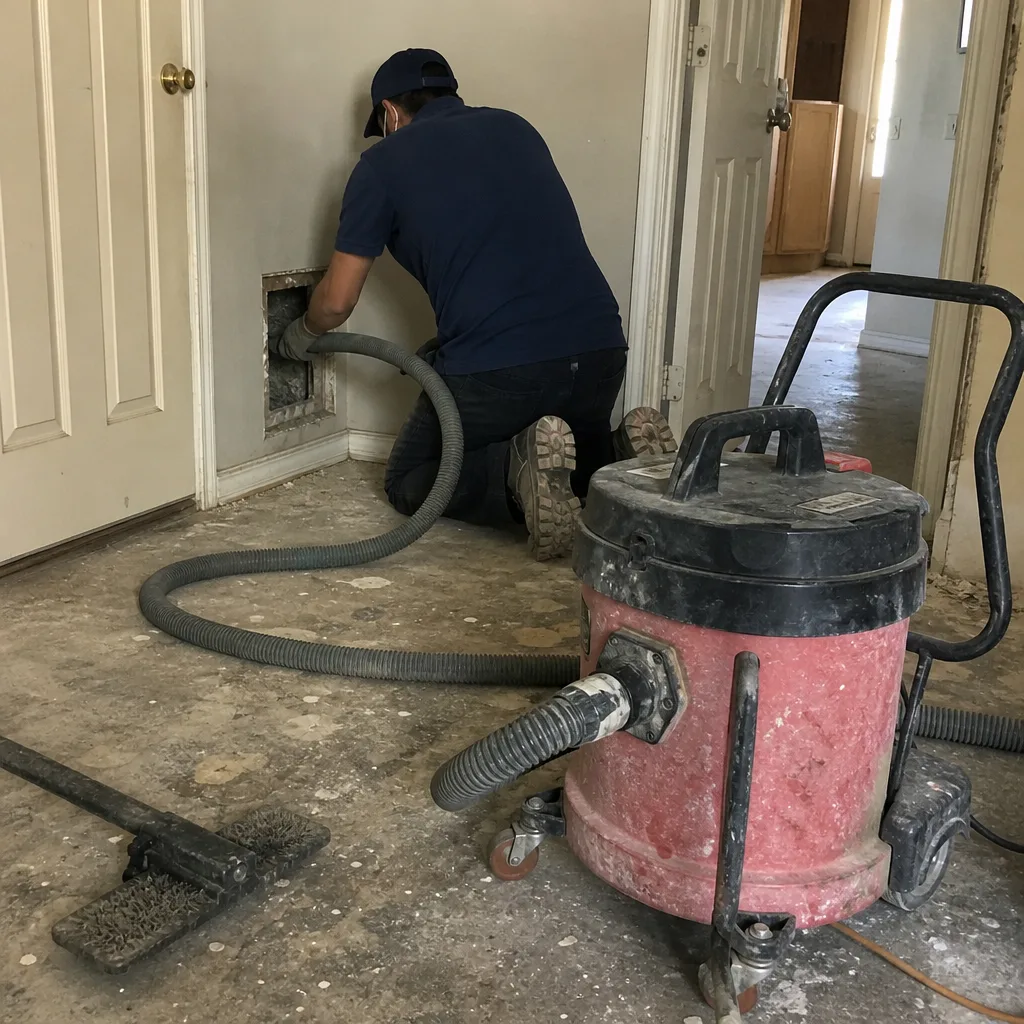 Before
 After
 Before
 After
 Before
 After