
Last updated November 15, 2026
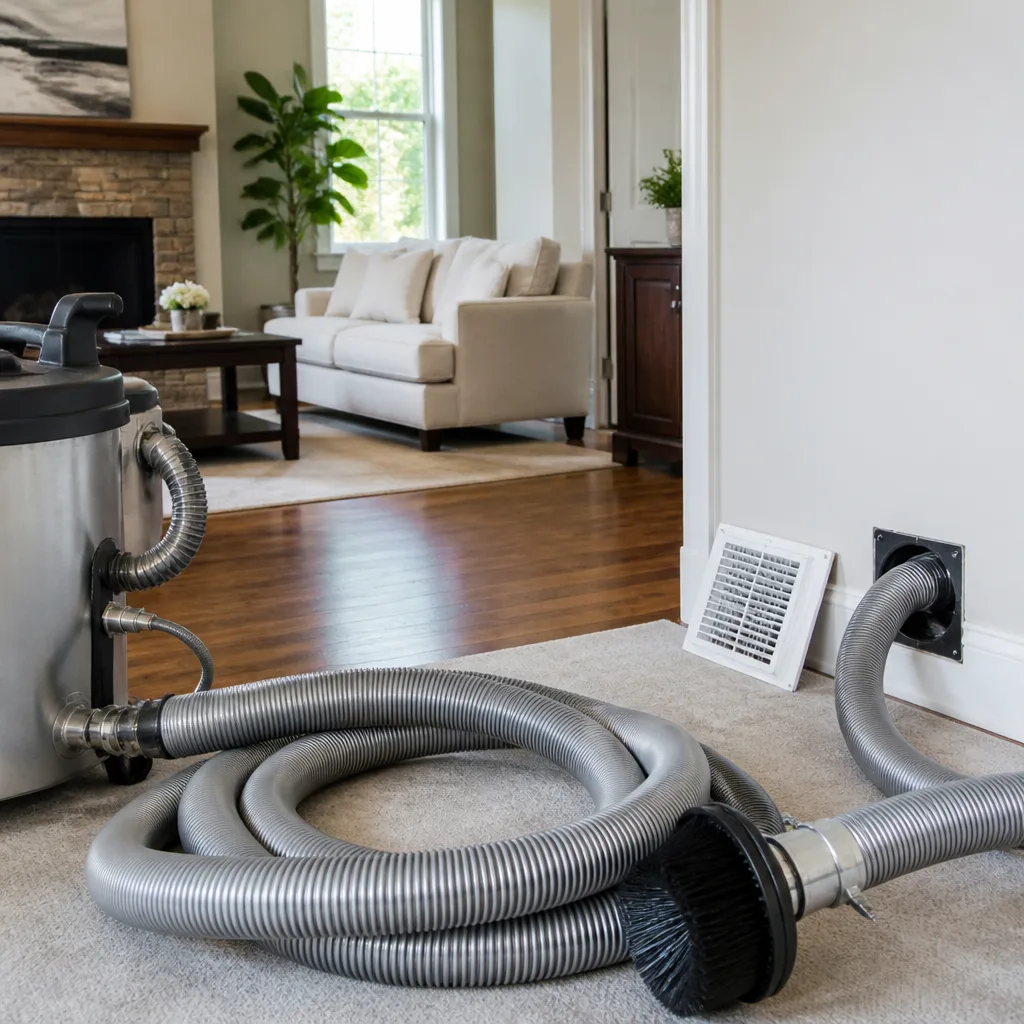 Whole-home duct cleaning
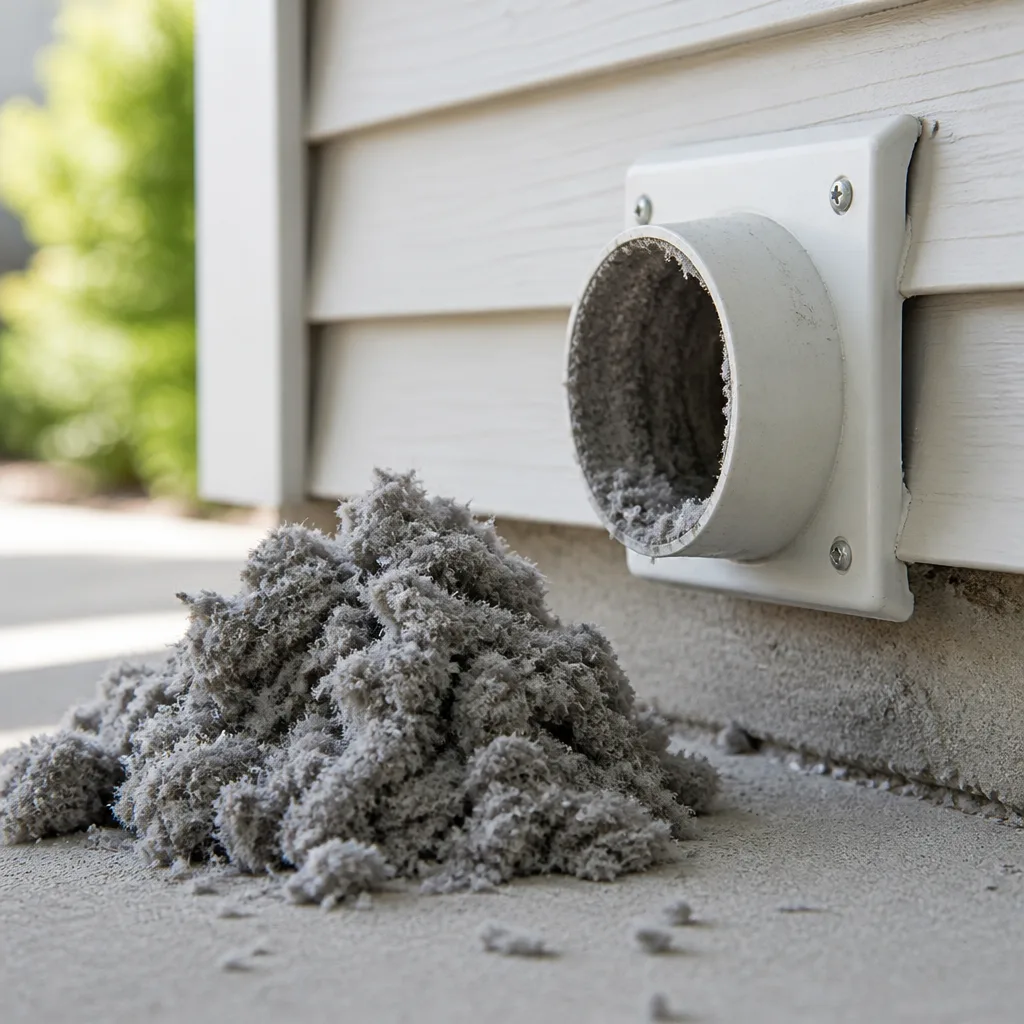 Dryer vent cleaning
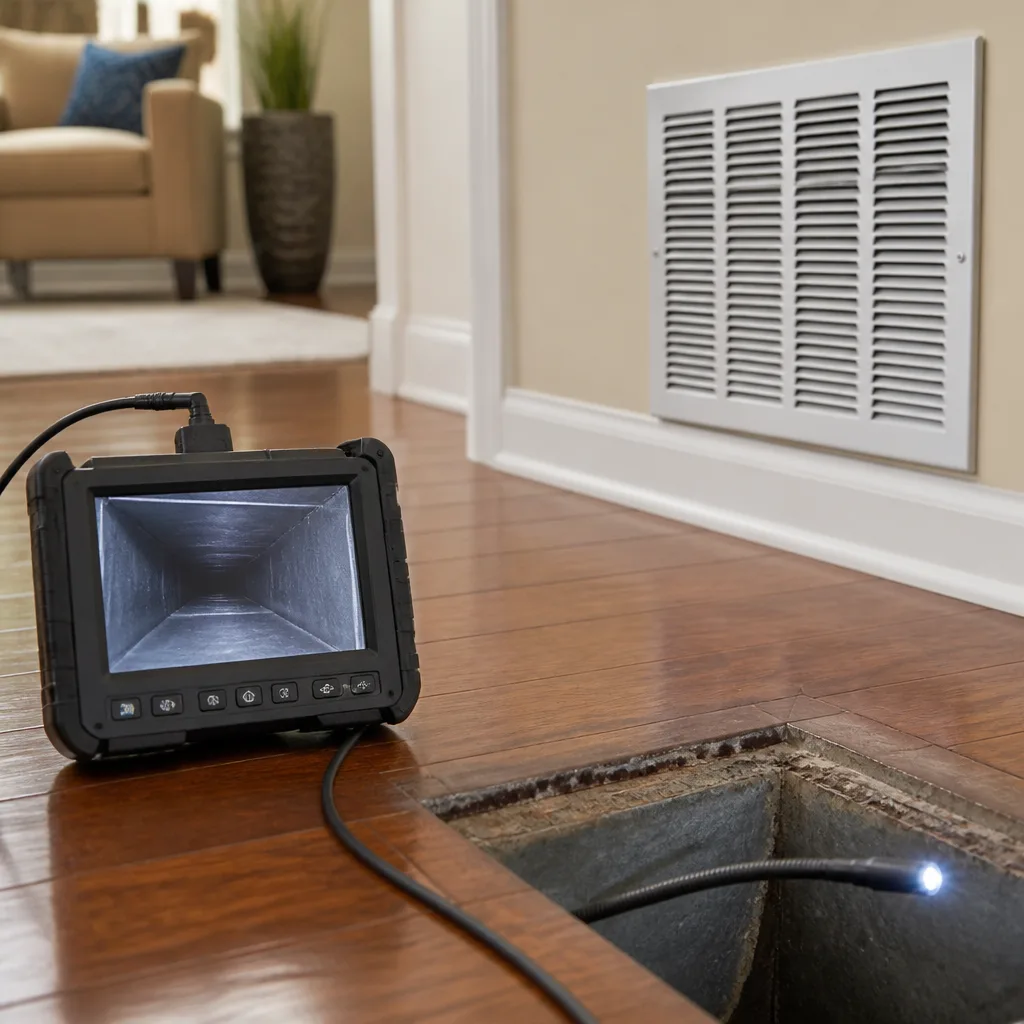 Camera inspection
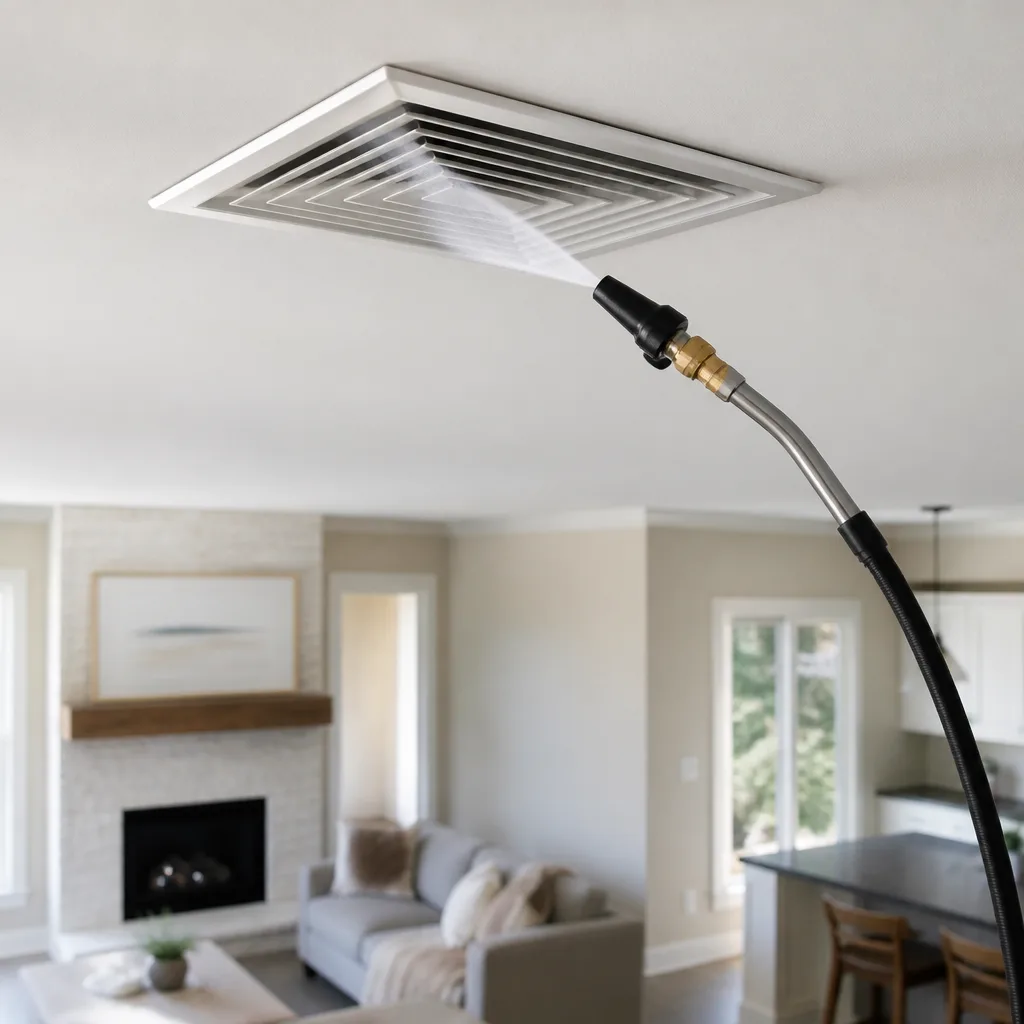 Sanitizing & deodorizing
Whole-system duct and dryer vent check with before-and-after photos - you see exactly what came out of your vents
That "$99 whole-house special" is a bait ad - the real number appears once they are in your hallway, or the "clean" is a shop-vac at the register. We photograph the inside of your ducts before and after instead.
Air Duct Cleaning Permits, Codes & Inspections in Grand Prairie, TX: What You Need to Know
Here’s the part that surprises most homeowners: the act of cleaning an air duct isn’t licensed or permitted in Texas at all. But the moment a technician cuts into a duct run, replaces a section of flex duct, or opens up the air handler to get at the plenum, you’ve crossed into regulated HVAC work that requires a state license and, in Grand Prairie, a mechanical permit. That line between cleaning and modifying is exactly where trouble starts, because the two happen on the same visit and often look the same to a homeowner standing in the hallway. This guide draws that line precisely, explains what Texas and the City of Grand Prairie actually regulate, and gives you the exact question to ask before anyone touches your ductwork.
Quick Answer
Air duct cleaning itself does not require a permit in Grand Prairie, TX, and no state license is issued specifically for duct cleaners. However, any repair, replacement, or modification of ductwork or the air handler is HVAC work that Texas requires to be performed by a Texas Department of Licensing and Regulation (TDLR) licensed contractor, and Grand Prairie generally requires a mechanical permit for that scope. Cleaning is unregulated; altering the system is heavily regulated. Call (866) 361-6858 for a free estimate.
Styles & brands we work with
- Whole-home duct cleaning
- Dryer vent cleaning
- Camera inspection
- Sanitizing & deodorizing
Table of Contents
- Who actually regulates air duct work in Texas and Grand Prairie?
- Cleaning versus repair: where the regulatory line falls
- When does duct work need a City of Grand Prairie mechanical permit?
- How to verify a contractor’s TDLR license before any repair begins
- What happens at resale if unlicensed duct work was done
- What a duct or HVAC inspection in Grand Prairie actually looks at
- Why Grand Prairie homes and climate shape the work
- The questions to ask before any technician starts
Who actually regulates air duct work in Texas and Grand Prairie?
Two different agencies, with two different reaches, and neither of them licenses a duct cleaner. Understanding which one governs which part of the job is the key to the whole subject.
The Texas State Board of Plumbing Examiners handles plumbing licensing in Texas and does not issue a duct cleaning credential. The Texas Department of Licensing and Regulation (TDLR) is the agency that licenses the air conditioning and refrigeration contractors who install, repair, and modify HVAC systems. That includes the ductwork connected to those systems, because ducts are part of the air distribution system and moving, resizing, or replacing them changes the system’s performance. If a technician is going to do more than clean, TDLR licensing is the relevant standard.
At the local level, the City of Grand Prairie issues building and mechanical permits and conducts inspections. Grand Prairie’s building department follows the adopted mechanical code for the city, and mechanical permits are how the city tracks HVAC work that alters a system. So the regulatory picture stacks like this:
- Cleaning only: no state license required, no permit required.
- Repair or replacement of ductwork: TDLR-licensed HVAC contractor required.
- Modification that alters the system (new runs, resizing, plenum work): TDLR license plus a City of Grand Prairie mechanical permit, generally.
- Work on the air handler or connected components: falls under HVAC licensing, not cleaning.
Our technicians have up to 12 years of experience, and the calls we get most often are from Grand Prairie homeowners who’ve had a “duct cleaning” visit turn into a recommendation for new flex duct on the spot. That’s the moment the paperwork matters, and most people don’t know to ask for it.
Cleaning versus repair: where the regulatory line falls
Cleaning removes accumulated dust, debris, and contaminants from inside the existing duct system without changing its structure. Repair changes the physical ductwork. The distinction sounds academic until you’re the one signing for the work.
Here’s how cleaning and repair break apart in practice:
What counts as cleaning (unregulated)
- Mechanical agitation of duct interiors with rotating brush or whip systems.
- Negative-pressure extraction and HEPA filtration of the airstream.
- Cleaning of registers, grilles, and diffusers.
- Sanitizing or fogging the interior of existing ducts with an antimicrobial product.
- Verification of results with before-and-after documentation.
What counts as repair or modification (regulated)
- Replacing a section of damaged or disconnected flex duct.
- Resealing joints, seams, or connections that are leaking air.
- Adding, removing, or relocating a duct run.
- Repairing or replacing the plenum or the connection between ductwork and the air handler.
- Resizing a duct or changing the balance of airflow.
At Prestige Air Duct, we treat air duct repair as a standalone service rather than something crammed into the cleaning visit. That’s partly because it’s the right way to scope the work, and partly because it forces the question of licensing and permits to be answered before anything is cut.
If a technician finds a disconnected flex duct during cleaning, the honest answer is: cleaning stops, we document the problem, and if the fix touches the system beyond clean-and-reseal, you get a written scope, a license number, and a permit discussion before work starts. A cleaning company that can’t produce those things shouldn’t be doing the repair.
When does duct work need a City of Grand Prairie mechanical permit?
Grand Prairie generally requires a mechanical permit when HVAC work involves installing, altering, replacing, or repairing a mechanical system, and ductwork counts as part of that system. Purely cosmetic cleaning does not trigger a permit. Replacing duct runs, adding a return, or repairing a plenum typically does.
Permit requirements can shift with code updates and how a specific scope is classified, so the reliable move is to call the City of Grand Prairie building department and describe the exact work. Have these details ready so you get a clear answer:
- The address and the age of the home’s HVAC system, if known.
- The specific scope: what part of the ductwork is being repaired or replaced.
- Whether the air handler, plenum, or any connected mechanical component is part of the work.
- The name and TDLR license number of the contractor performing it.
- Whether the work is considered a repair of existing equipment or a modification of the system.
Ask the contractor the same questions. A licensed HVAC contractor who regularly pulls permits in Grand Prairie will have a straight answer in about thirty seconds. If the answer is vague, or you hear “you don’t need a permit for ducts,” that’s a red flag on scope. It might be technically true for a reseal and false for a full replacement, and a contractor who doesn’t know the difference is a contractor you don’t want modifying your system.
In our experience in the Grand Prairie market, the permit conversation almost always comes down to one question: is this cleaning, or is this HVAC work? When it’s HVAC work, the permit protects you, not just the city.
How to verify a contractor’s TDLR license before any repair begins
Ask for the license number before work begins and verify it yourself on the TDLR website. Verification is free, takes a few minutes, and tells you whether the contractor is licensed for the specific scope they’re quoting.
Here’s the sequence to run through before a duct repair or modification begins in your Grand Prairie home:
- Ask for the license number in writing. It should appear on the written estimate, not just be spoken on the phone.
- Look it up on the TDLR license search. The TDLR maintains a public search for air conditioning and refrigeration contractors. Confirm the license is active and matches the company name on your estimate.
- Confirm the license type covers the scope. A license that covers air conditioning contracting covers HVAC system work; a general handyman license or a business license does not.
- Ask about the permit. If the work needs a mechanical permit in Grand Prairie, ask who pulls it and whether it will be inspected. The answer should be the licensed contractor, with an inspection scheduled.
- Get the scope in writing. The estimate should say plainly what’s being cleaned, what’s being repaired, and where one ends and the other begins.
- Ask for before-and-after documentation. Photos of your own ducts, at the connection points being repaired, tell you what was actually done.
What the TDLR license covers is worth understanding clearly: it’s an HVAC contracting license, which authorizes the licensed contractor to perform and offer HVAC work, including the air distribution components. It is not a duct cleaning certification, because Texas doesn’t issue one. So when you’re hiring for cleaning alone, licensing isn’t the check that matters most. When you’re hiring for repair, it is the single most important thing to verify.
For cleaning-only work, the checks that matter are equipment caliber and process. We use Rotobrush and Nikro systems, the same platforms used in professional duct cleaning across the commercial HVAC world, and we bring Abatement Technologies equipment into projects where indoor air quality remediation is part of the scope. Those brand names are a proxy for process, and asking what equipment a company uses tells you more than asking what they charge.
What happens at resale if unlicensed duct work was done
Unpermitted, unlicensed duct modification usually surfaces at resale, when the buyer’s inspector looks at the air handler and sees new flex duct with no permit record on file with the city. It’s an easy thing to miss before a sale and an expensive thing to explain during one.
In Grand Prairie, here’s how that plays out in practice:
- The permit record is searchable. A buyer’s agent or inspector can pull permit history from the city. Work that was pulled shows up; work that wasn’t, doesn’t.
- New-looking ductwork with no permit reads as a question. It might be fine, but it triggers requests for documentation, and documentation is often unavailable.
- The same applies to unpermitted modifications that void part of a manufacturer’s warranty. A warranty claim on a system modified by someone unlicensed is a hard claim to make.
- Disclosure matters. If you know ductwork was modified without a permit, that’s a material fact about the home. In a resale, buyers expect permit history to be accurate, and an inspector will usually spot recent changes to the duct system.
The clean way to handle it is to keep the paper trail from the start. A licensed contractor who pulls a Grand Prairie mechanical permit produces a record with the city, which means the work is verifiable years later. If you’re buying a home and see new ductwork near the air handler, ask for the permit. It’s a reasonable question and a normal part of due diligence.
For property managers in Grand Prairie, this matters continuously, not just at sale. Unpermitted work on a rental turns into a liability question every time a tenant reports an air quality concern. Keeping licensed contractors and permit records on file is a management practice, and it’s cheaper than untangling it later.
What a duct or HVAC inspection in Grand Prairie actually looks at
A duct or HVAC inspection looks at the physical condition of the duct system, the connection to the air handler, and the documentation trail for any work performed. It’s not the same as a cleaning, and it’s not the same as a home inspection; it’s an assessment of the system’s integrity.
Here’s what an inspector or a thorough technician is checking, in sequence:
- Duct integrity. Disconnected flex duct, torn insulation, crushed sections, and gaps at joints are the most common findings.
- Sealing at the plenum and air handler. The point where ductwork meets the system is where leaks most often originate.
- Contamination level. Whether the ducts have accumulated enough debris to warrant cleaning, assessed visually inside the runs.
- Airflow and balance. Whether the system is delivering air as designed, and whether any run is undersized or blocked.
- Permit and licensing documentation. For a home being sold, the inspection record and city permit history for any recent HVAC work.
- Before-and-after evidence. For work that was recently performed, whether the contractor documented anything.
The most reliable standard for cleaning is a documented, equipment-verified process rather than a visual walkthrough or a time-based one. A visual-only inspection misses contamination inside the runs, and a time-based one tells you nothing about whether anything was actually removed. Photos taken at the register openings, before and after, are the practical proof. That’s the standard we hold ourselves to: the job isn’t done until the documentation shows it.
Why Grand Prairie homes and climate shape the work
Grand Prairie sits in the middle of the Dallas-Fort Worth metroplex, which means long, hot cooling seasons and a housing stock that spans mid-century neighborhoods, newer subdivisions, and a lot of properties between. That combination produces specific duct problems you’ll see repeatedly in this city.
The cooling season runs most of the year, so the system cycles hard from spring through fall. Long run times mean more dust pulled through the return, more condensation potential at the air handler, and more wear at connections. Homes in older parts of Grand Prairie often have duct systems that were installed decades ago and have been patched, resealed, or rerouted at some point. Others in newer subdivisions have the opposite issue: systems that are technically fine but were installed with loose connections and undersized returns that leak conditioned air into the attic.
Attic duct runs take a beating here. Attic temperatures in a Texas summer are extreme, and flex duct doesn’t need much to sag, tear at the collar, or pull loose at a joint. When you see conditioned air leaking into an attic that’s already over 100 degrees, the system works harder to keep the house cool, and the duct problem compounds the energy problem.
None of this changes the regulatory picture. Cleaning is still unregulated; repair is still licensed work. What it changes is how often a cleaning visit in Grand Prairie turns up something that needs repair. That’s not a sales pitch; it’s just what the housing stock and climate produce.
The questions to ask before any technician starts
Before a technician does anything beyond cleaning in your Grand Prairie home, ask one direct question: “Do you have a mechanical contractor license for this scope?” The answer tells you whether the person in your house can legally perform the work they’re recommending, and it’s the single most effective filter for the entire industry.
Follow up with these, in this order:
- “What exactly are you doing today, cleaning or repair?” A clear answer, in writing, before work begins.
- “What’s your TDLR license number, and is it on the estimate?” It should be.
- “Will this work need a City of Grand Prairie mechanical permit, and do you pull it?” If yes, they pull it; not you.
- “What equipment are you using?” Rotobrush and Nikro are professional platforms; a shop vacuum isn’t.
- “Will I get before-and-after photos of my own ducts?” Documentation is the proof.
- “If you find damaged ductwork, does cleaning stop until we scope the repair?” It should.
For properties where air quality equipment is part of the picture, ask whether the technician has worked with Aprilaire, Honeywell, and Abatement Technologies components. Full-system fluency matters when the work straddles cleaning and the equipment connected to it. It tells you the technician understands the whole system, not just the tubes.
Common Mistakes to Avoid
- Assuming “cleaning” covers everything. If a contractor replaces flex duct or reseals a plenum, that’s HVAC work, and you should confirm licensing and permits before it starts. In Grand Prairie, the permit record is what protects you later.
- Not verifying the TDLR license number. Ask for the number in writing and look it up on the TDLR site yourself. A verbal “we’re licensed” is not the same as a verifiable license on file.
- Accepting a scope that mixes cleaning and repair in one line item. Get the two broken out in the estimate. It’s how you know what’s regulated and what isn’t.
- Skipping the permit question on a full duct replacement. Pulling the permit is the contractor’s job. If they suggest you do it, or say it isn’t needed, ask the city directly.
- Overlooking the connection at the air handler. The plenum is where leaks most often originate, and it’s the part most likely to be “cleaned around” rather than repaired. That’s the gap air duct repair exists to close.
- Not keeping the paper trail. Estimates, licenses, permit numbers, and before-and-after photos are what make the work verifiable at resale. Store them with the home’s records.
- Booking on price alone and skipping the equipment question. Professional duct cleaning uses Rotobrush and Nikro platforms, not consumer equipment. Ask what they’ll bring into your home.
See the difference
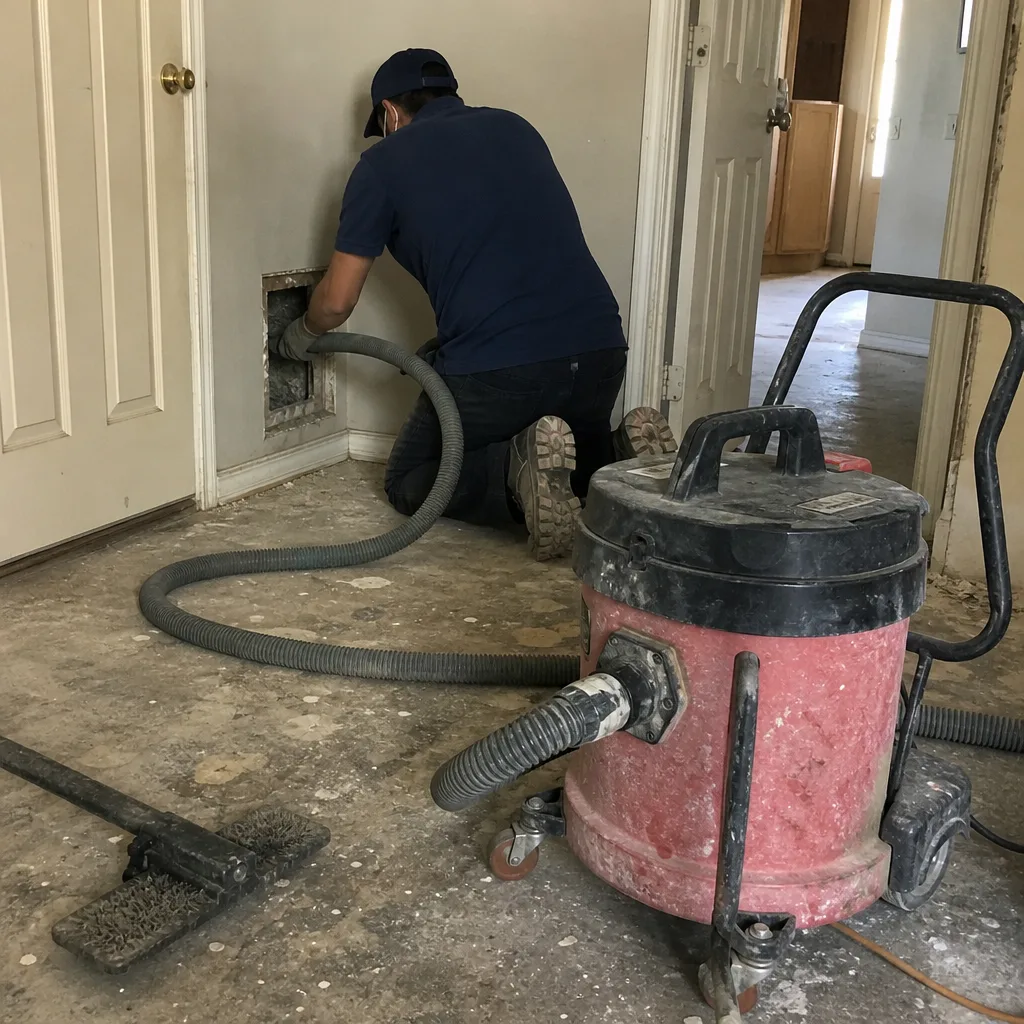 Before
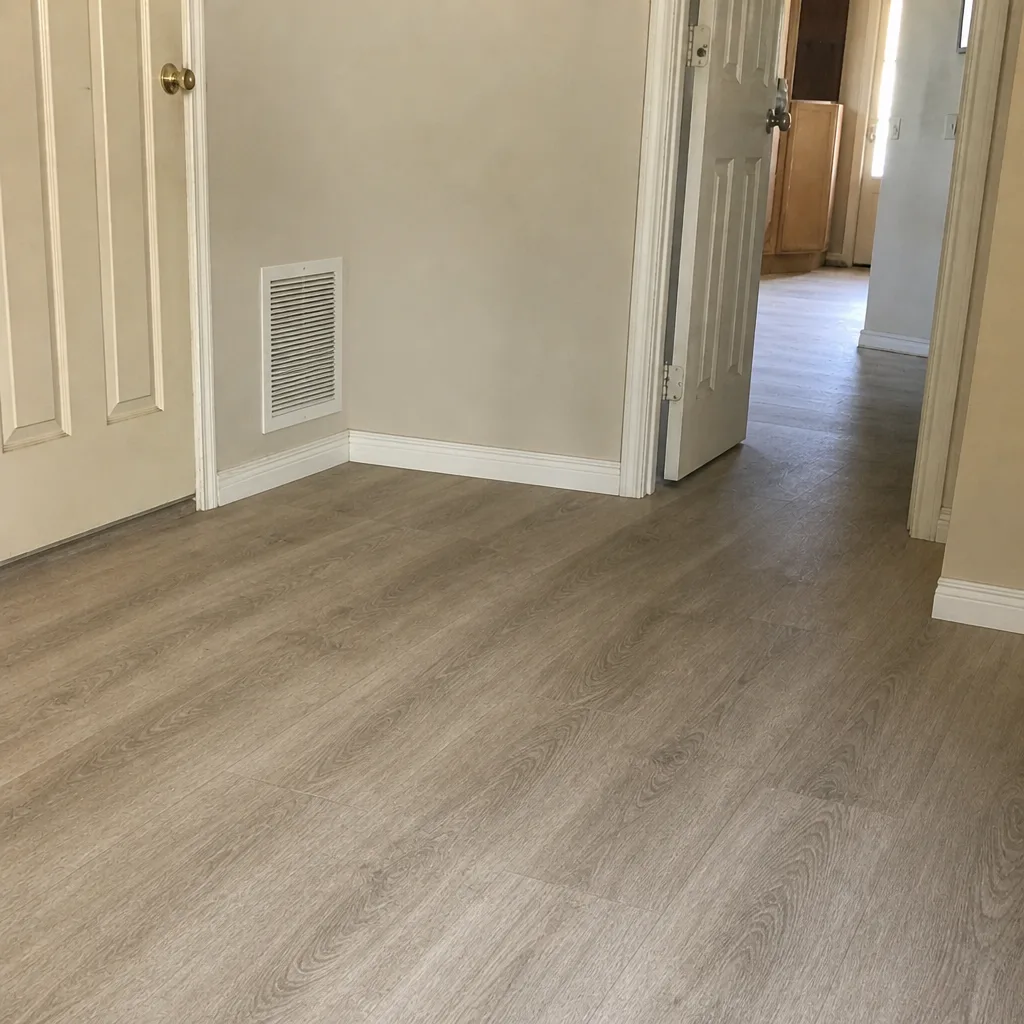 After
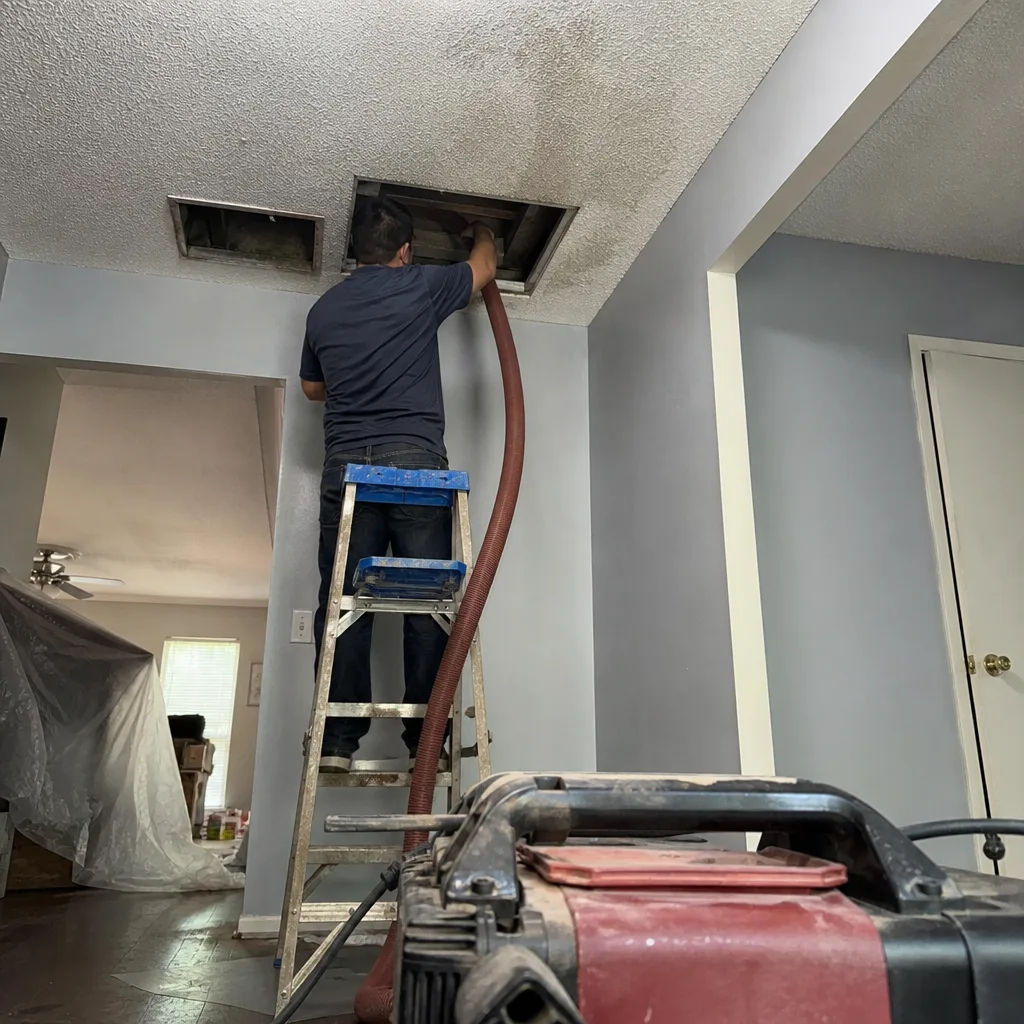 Before
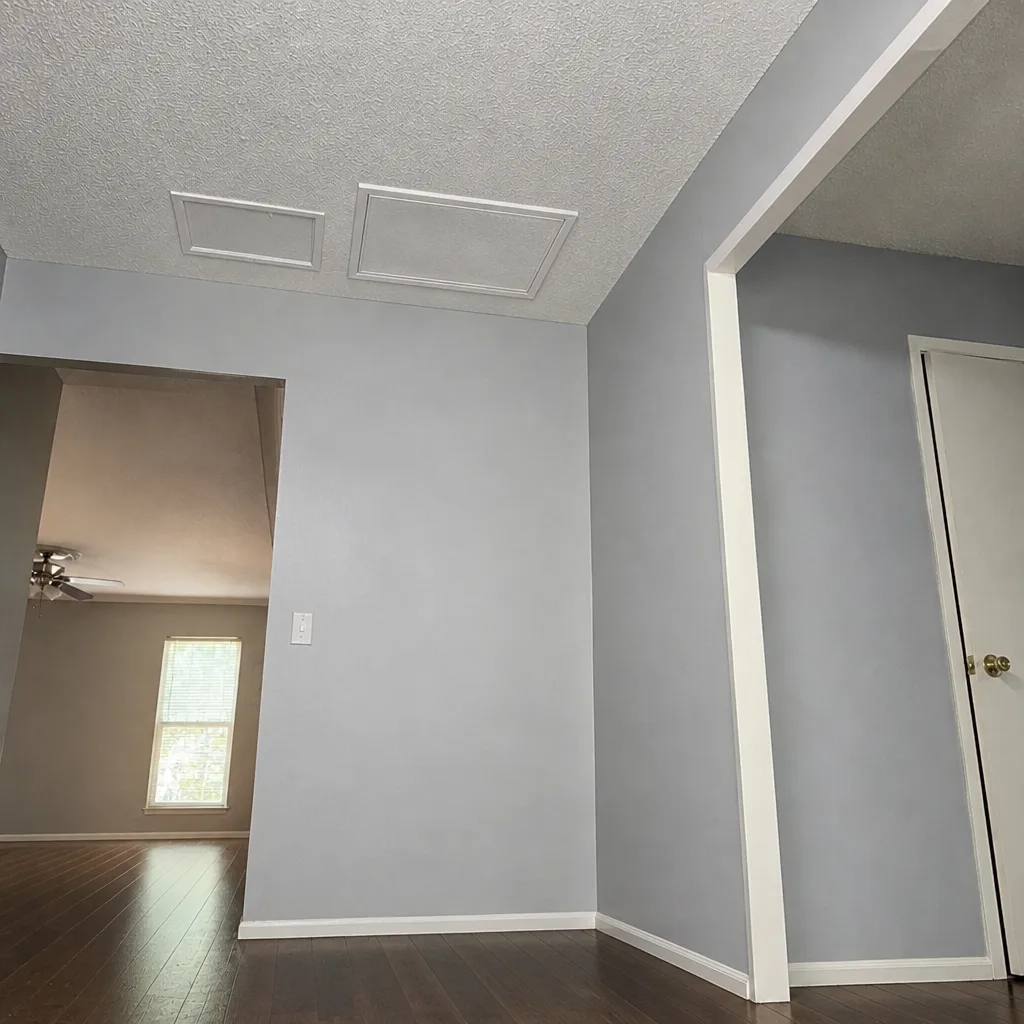 After
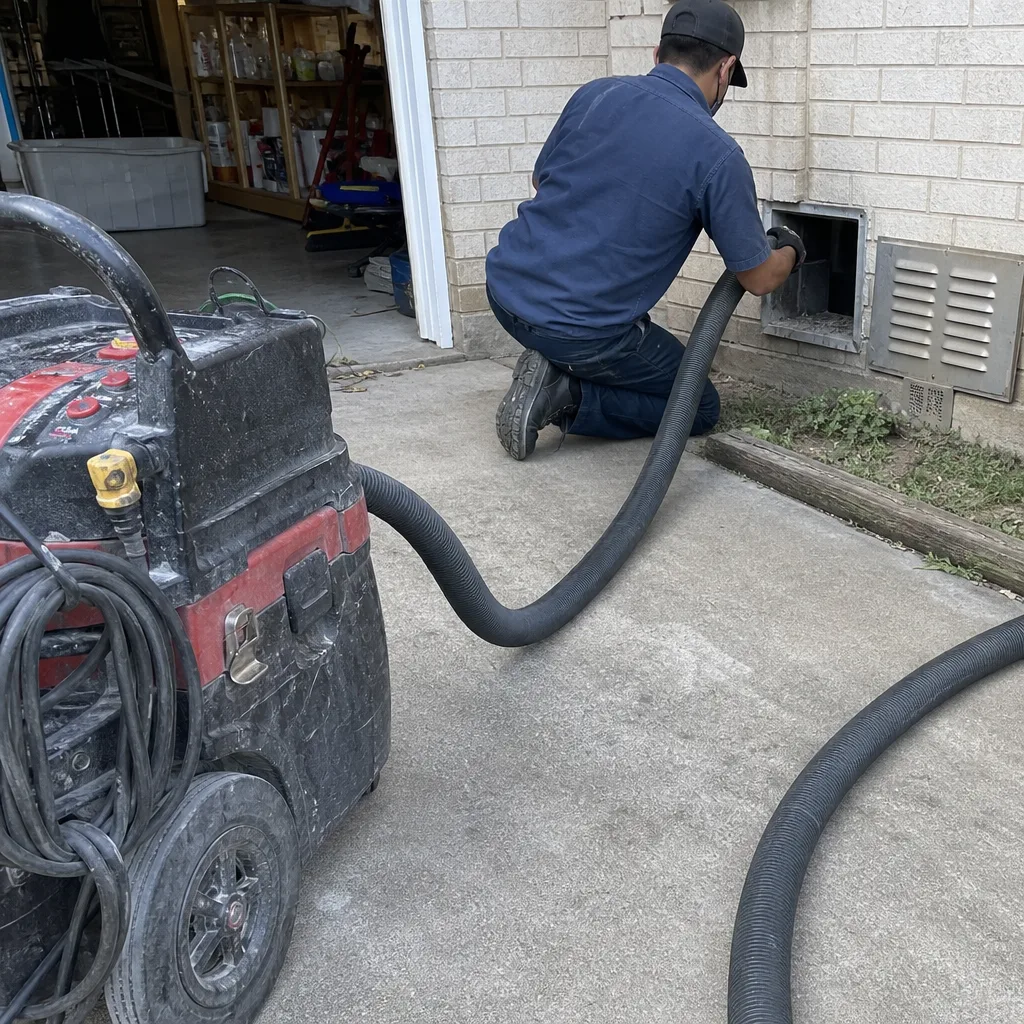 Before
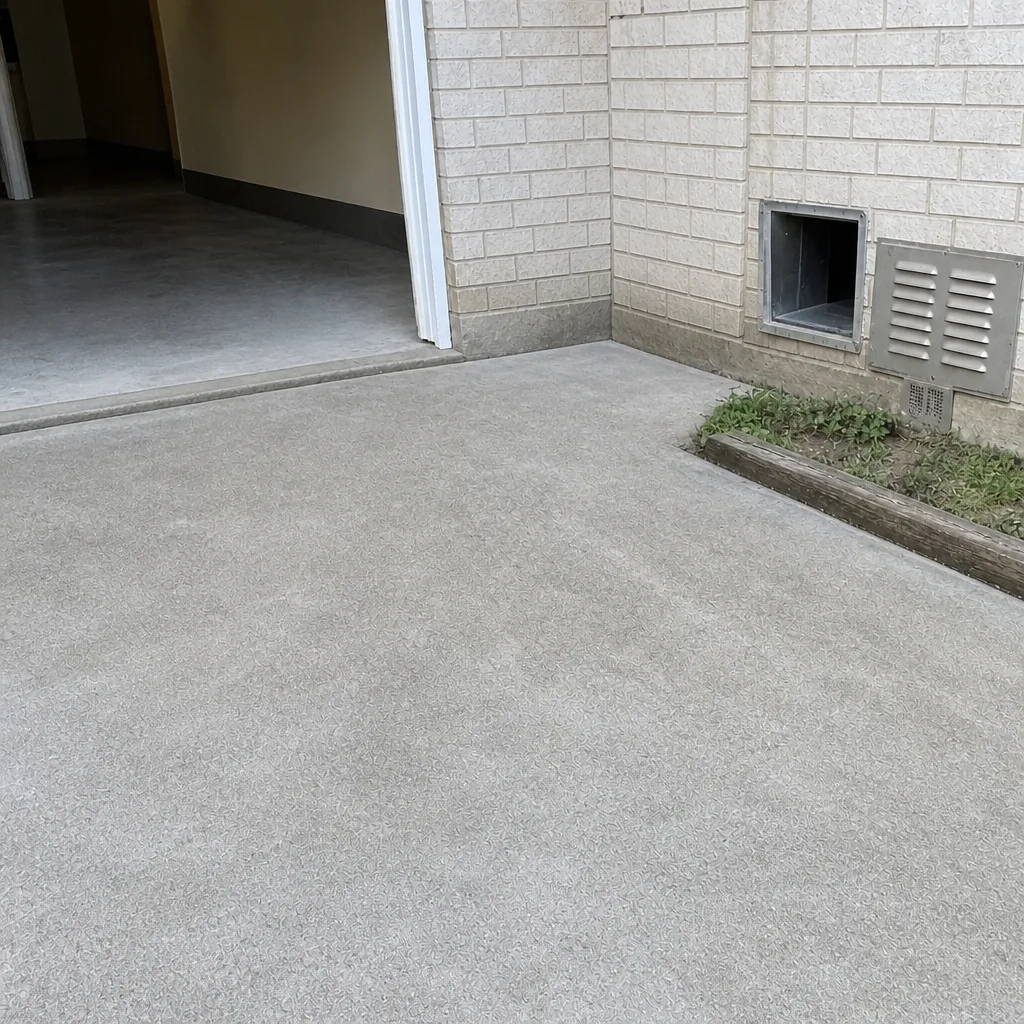 After
When to Call a Professional
Call a licensed HVAC contractor and ask about permits before scheduling duct work if any of these sound like your situation: the system is losing airflow in one part of the house, you can see disconnected or torn flex duct in the attic, you’re buying or selling a Grand Prairie home with recent ductwork changes and no permit record, or a previous cleaning visit recommended duct replacement on the spot. Those are the moments when the cleaning-versus-repair question stops being theoretical.
For cleaning alone, the checks are simpler: professional equipment, a documented process, and before-and-after photos of your own ducts. Prestige Air Duct offers free estimates in Grand Prairie. Call (866) 361-6858. We answer 24/7. Fast dispatch from 7am to 7pm, Sunday through Friday. Estimates are free, the price is set per job by the written estimate, and we’ll walk through what’s cleaning, what’s repair, and what needs a license and a permit before anyone takes a tool to your ducts.
Frequently Asked Questions
No. Cleaning air ducts does not require a permit in Grand Prairie, and Texas does not issue a license specifically for duct cleaning. If the work involves repairing or replacing ductwork or the air handler, a TDLR-licensed HVAC contractor is required and a mechanical permit is generally needed. Call (866) 361-6858 for an exact quote, estimates are free.
No. Texas does not license air duct cleaning as a trade. The Texas Department of Licensing and Regulation licenses HVAC contractors, and that’s the license that covers duct repair and modification. Cleaning alone is unregulated, which is why equipment and documentation matter more than credentials for that scope.
It becomes licensed work the moment the job moves from cleaning the inside of the ducts to changing them: replacing flex duct, resealing a plenum, adding or relocating a run, or opening the air handler. At that point TDLR licensing applies, and a City of Grand Prairie mechanical permit is generally required. Ask for the license number in writing before the repair begins.
Ask for the TDLR license number in writing and look it up on the TDLR license search yourself. Confirm the license is active and covers air conditioning contracting, not just a general business license. Then confirm the contractor will pull the Grand Prairie mechanical permit for the scope of work.
Unpermitted duct modification usually surfaces at resale, when the buyer’s inspection or permit history search reveals recent changes with no record on file. That can trigger documentation requests, affect warranty claims, and complicate the transaction. If you know work was done without a permit, disclose it, and consider having a licensed contractor assess the work before listing.
Ask: “Do you have a mechanical contractor license for this scope?” Then confirm the license number in writing, ask whether a Grand Prairie mechanical permit is required for the work, and get the scope of cleaning versus repair separated in the written estimate. If the answer isn’t clear, stop and call the city.
There’s no fixed interval that fits every home. Long cooling seasons and heavy system run times in Grand Prairie mean ducts accumulate debris faster than in milder climates, so homes with pets, recent renovation, or visible dust at the registers tend to need attention sooner. A documented, equipment-verified cleaning with before-and-after photos is the right standard, not a calendar schedule. Call (866) 361-6858 for an exact quote, estimates are free.
The Bottom Line
Air duct cleaning is unregulated in Texas, but the moment the work crosses from cleaning into repair or modification, it’s licensed HVAC work governed by the TDLR and generally subject to a City of Grand Prairie mechanical permit. Verify the license number in writing, ask whether the scope needs a permit, and keep the paper trail. For cleaning, ask about equipment and before-and-after documentation; for repair, ask about the license and the permit. And if a technician recommends duct replacement on the spot, the only question that matters is: do you have a mechanical contractor license for this scope?
Prestige Air Duct connects Grand Prairie homeowners with independent local professionals who perform the work. Our technicians have up to 12 years of experience. We use Rotobrush and Nikro systems and work with Aprilaire, Honeywell, and Abatement Technologies equipment where the scope calls for it. We offer air duct cleaning, dryer vent cleaning, and air duct repair as distinct services, and we treat Grand Prairie as home base for this work. If you’re comparing options across the metroplex, start here with Prestige Air Duct.
Written by the team at Prestige Air Duct.