
Last updated November 15, 2026
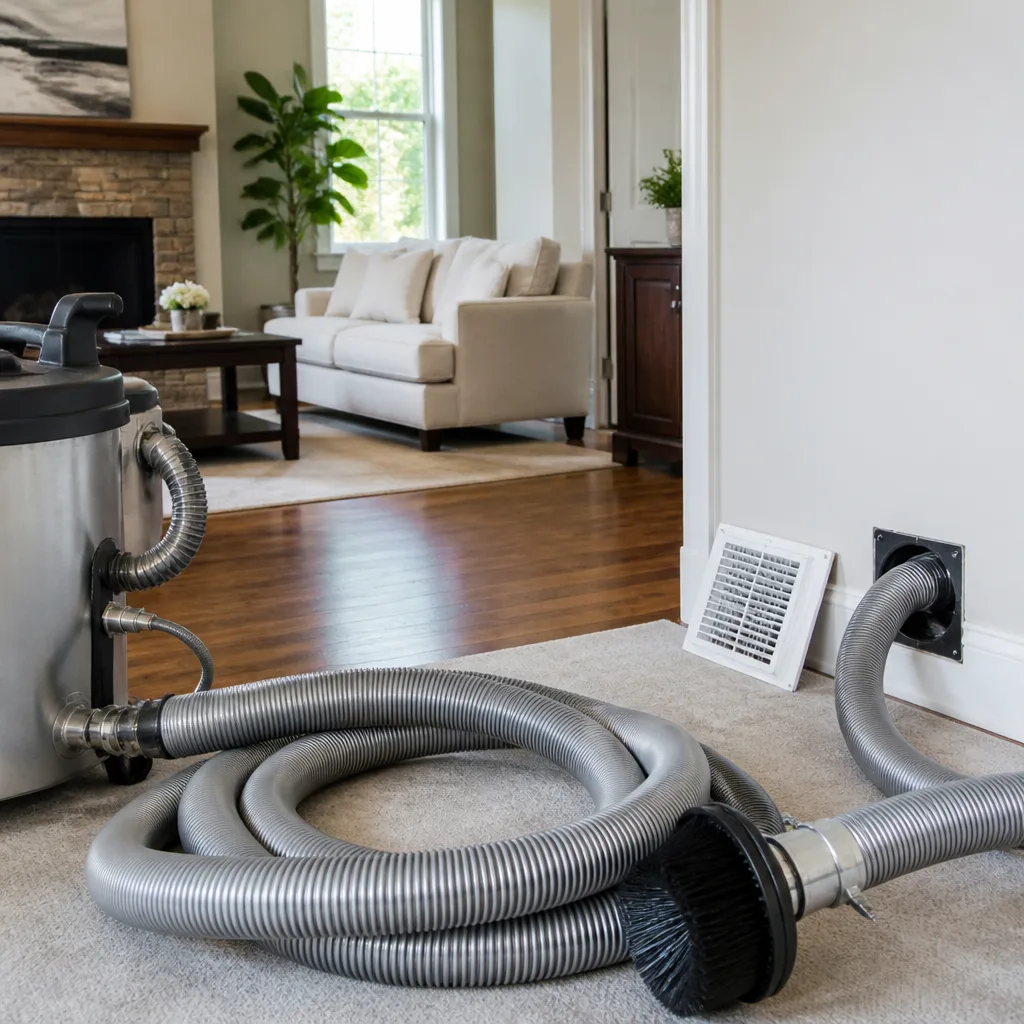 Whole-home duct cleaning
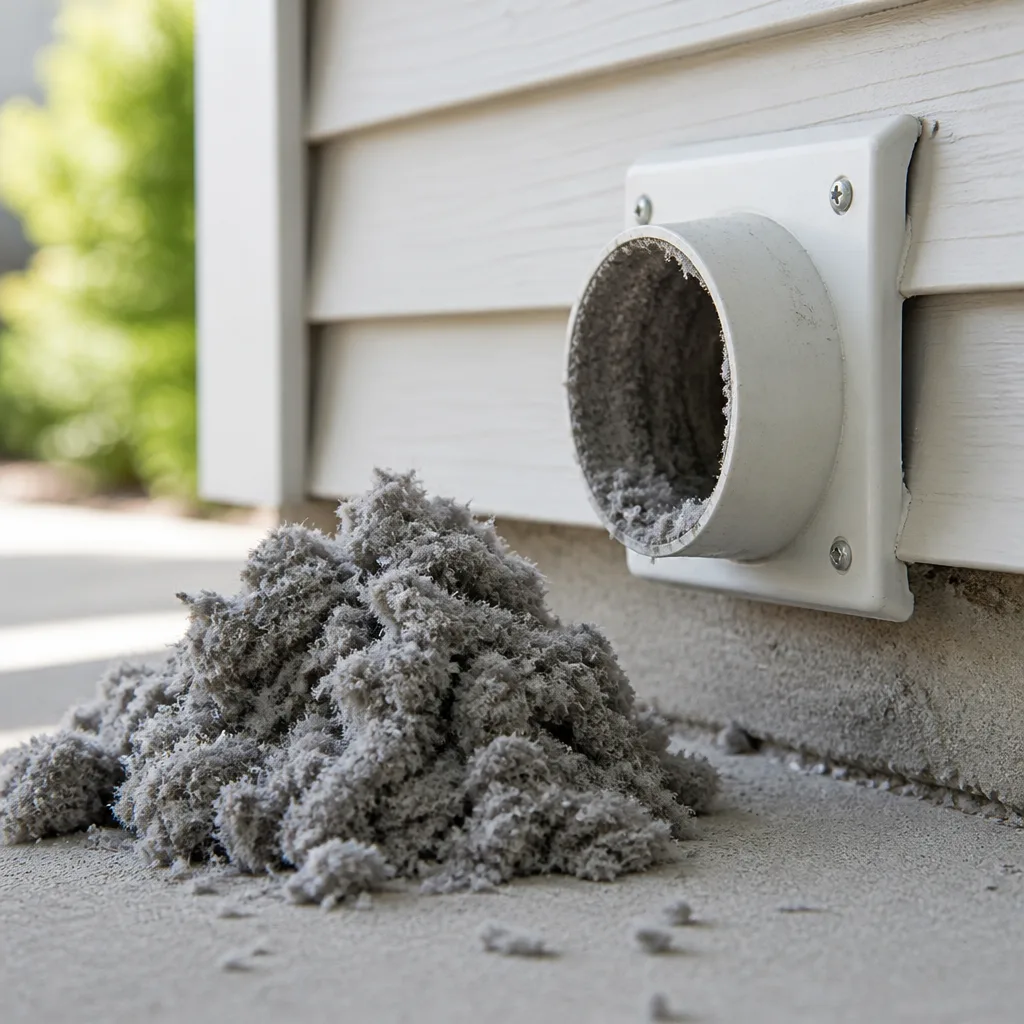 Dryer vent cleaning
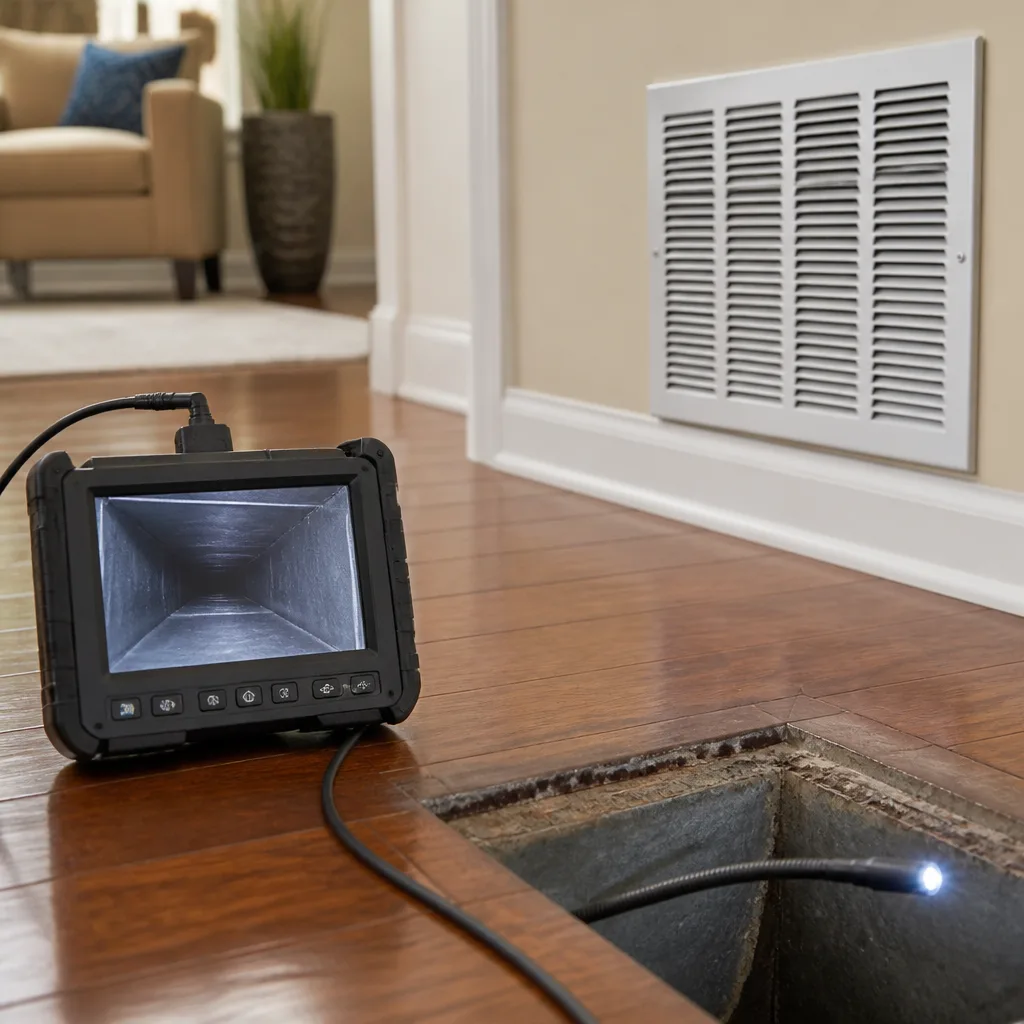 Camera inspection
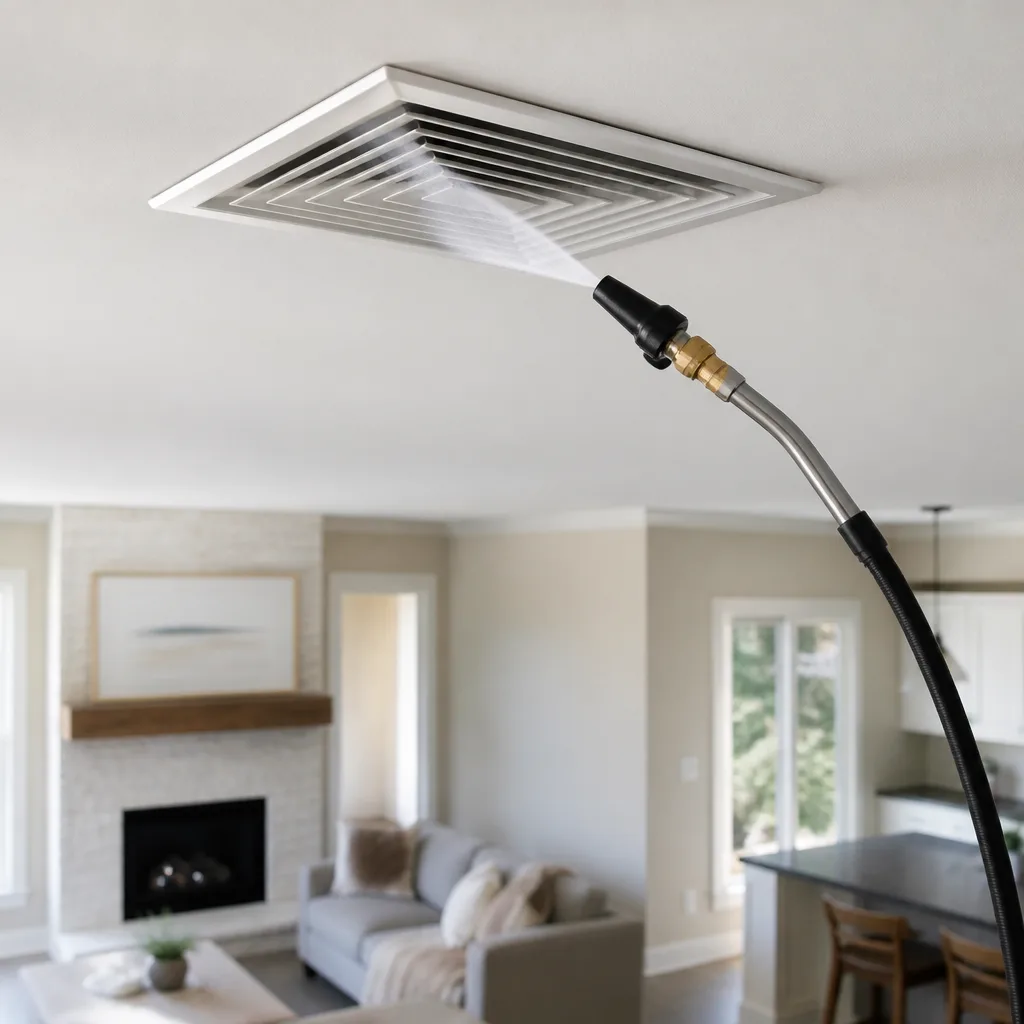 Sanitizing & deodorizing
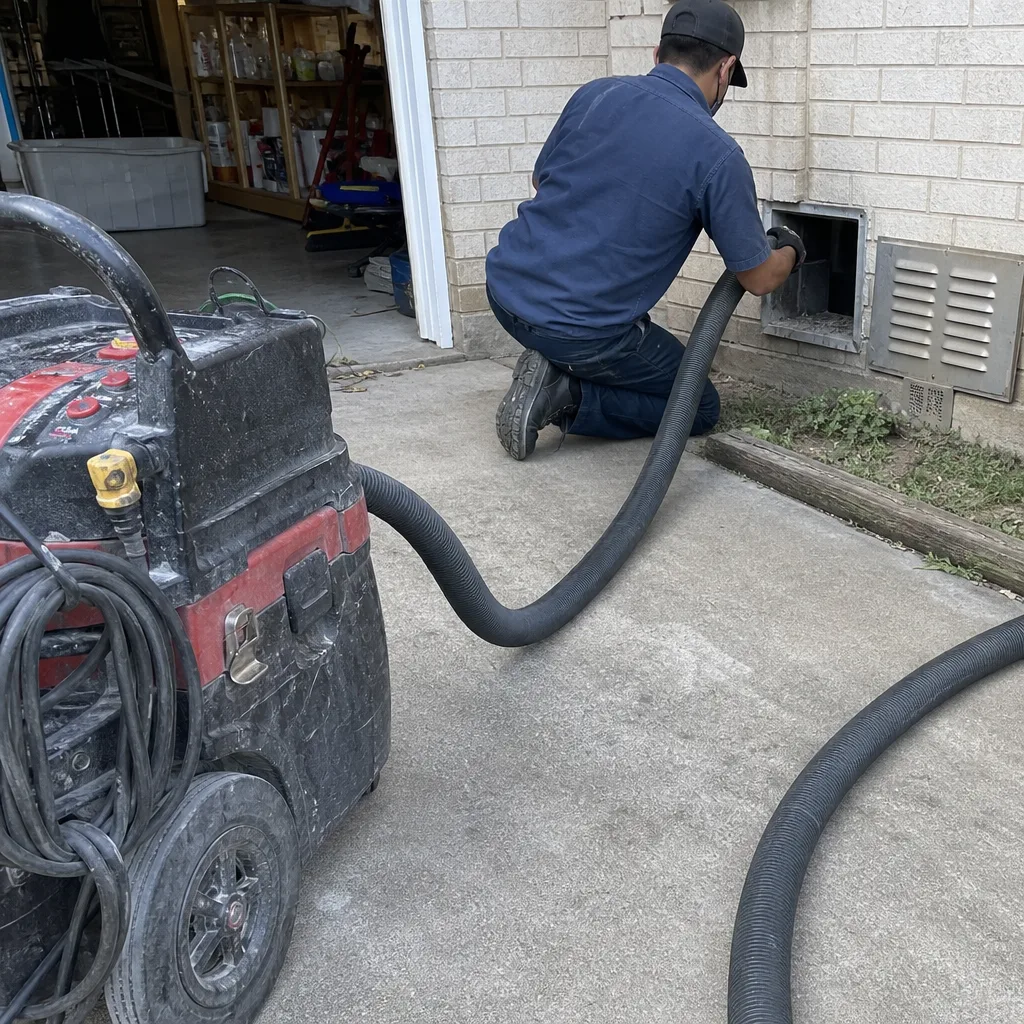
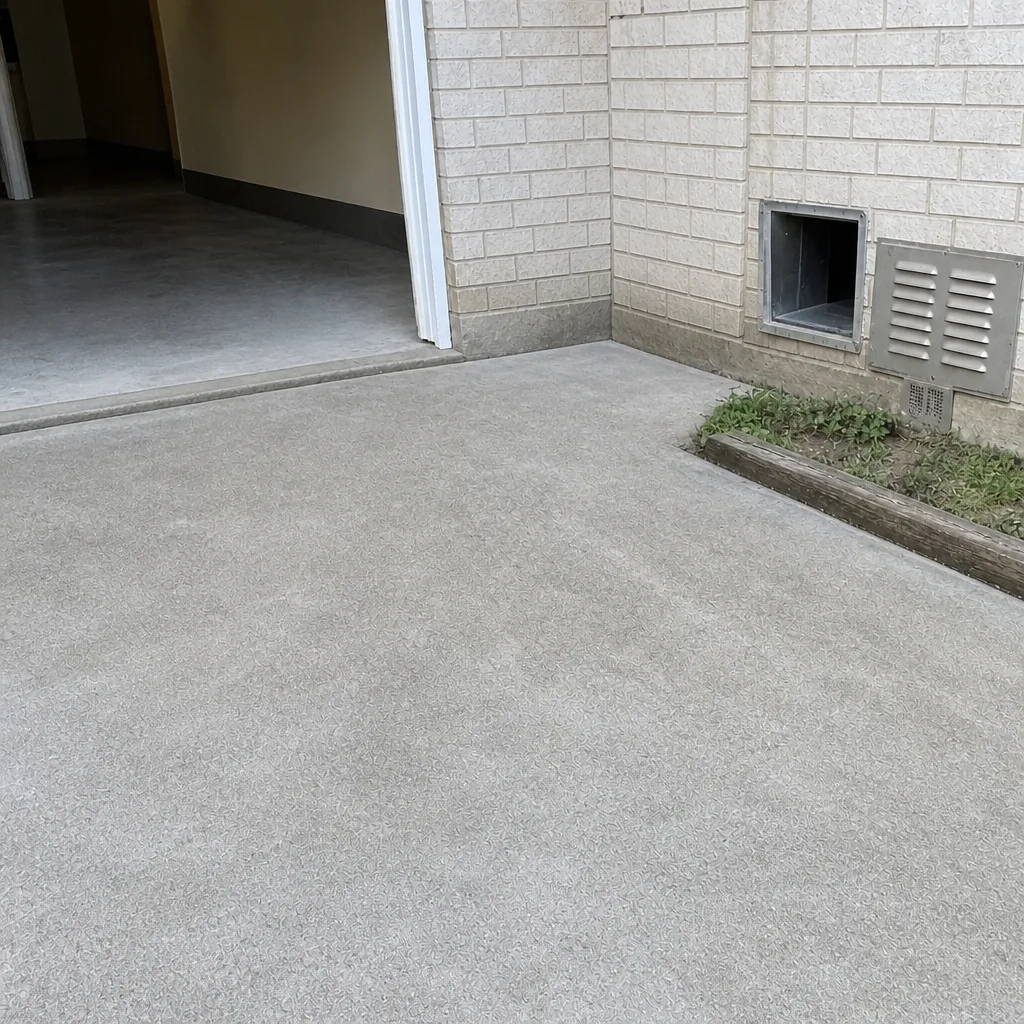
Whole-system duct and dryer vent check with before-and-after photos - you see exactly what came out of your vents
That "$99 whole-house special" is a bait ad - the real number appears once they are in your hallway, or the "clean" is a shop-vac at the register. We photograph the inside of your ducts before and after instead.
Air Duct Cleaning Troubleshooting in Grand Prairie: Common Problems and How to Fix Them
Weak airflow from a vent gets blamed on dirty ducts more often than the ducts deserve. In our experience, a good share of the airflow complaints we get called about in Grand Prairie turn out to be a closed damper, a collapsed section of flex duct, or a return that was undersized from the day the house was built. Cleaning won’t fix any of those, and a company that sells you a cleaning before checking will leave you with the same weak airflow and a lighter wallet. This guide is a technician’s decision tree: how to tell a cleanliness problem from an integrity problem, what each smell profile actually points to, and when to ask for a camera inspection before anyone quotes you a cleaning.
Quick Answer
Most duct “problems” in Grand Prairie fall into two buckets: contamination (dust, debris, moisture, microbial growth inside the ductwork) and integrity (tears, disconnected joints, collapsed flex runs, undersized returns). Cleaning solves the first. Repair solves the second. Before you book anything, isolate whether the issue is one room or the whole house, note what the air smells like, and ask any company you call whether they inspect duct condition with a camera before recommending work.
Styles & brands we work with
- Whole-home duct cleaning
- Dryer vent cleaning
- Camera inspection
- Sanitizing & deodorizing
Table of Contents
- Cleaning Problem or Integrity Problem? How to Tell
- What Your Ducts Smell Like and What It Means
- Why Grand Prairie’s Clay Soil Can Disconnect Your Ductwork
- A Room-by-Room Airflow Test You Can Do Yourself
- When a Camera Inspection Should Happen (Before, Not After)
- Dryer Vent Problems Are a Separate Diagnosis
- When Cleaning Is Actually the Right Answer
- When You Need Air Duct Repair Instead
Cleaning Problem or Integrity Problem? How to Tell
This is the first fork in the road, and getting it wrong is the most expensive mistake a homeowner makes. A cleaning problem is contamination sitting inside ductwork that is otherwise sound. An integrity problem is ductwork that is torn, disconnected, crushed, or collapsing, which means air is leaking into a crawlspace or attic instead of reaching the room. Cleaning a torn duct just cleans the tear.
Here’s how to separate them without any tools:
- One room weak, rest fine: points to a branch run problem, a closed damper, or a disconnected flex joint serving that room. Rarely a whole-system cleanliness issue.
- Every room weak, system-wide: could be a dirty blower or filter, a failing blower motor, a collapsed main trunk, or a return that’s too small. Cleaning alone rarely fixes this.
- Visible dust streaking around a register or a joint: air is escaping at that seam. That’s a leak, not a dirt problem.
- Whistling or rushing sound at one vent: usually a damper partly closed or a duct pinched somewhere upstream.
- Dust settling fast after a cleaning: the source wasn’t the ducts. It was a leak pulling attic or garage air in, or a return pulling from a dirty space.
In Grand Prairie, the split matters because a large share of homes here use flexible duct runs in the attic. Flex duct is easy to tear during other trades’ work and easy to kink. We repair what others just clean around, because if the duct is broken, cleaning it is theater. When we can’t tell from the outside, we run an air duct cleaning assessment with a camera before quoting anything, so the recommendation matches what’s actually going on.
What Your Ducts Smell Like and What It Means
Smell is the most useful diagnostic signal homeowners have, but only if you read it right. Three profiles point to three different causes, and only one of them is reliably solved by cleaning.
Musty, damp, or basement-like smell
Musty means moisture. Condensation on cold duct surfaces, high attic humidity, a leaking coil pan, or a return pulling air from a damp crawlspace. Cleaning can remove the microbial growth, but if the moisture source isn’t fixed, the smell returns. We treat the moisture question first, then clean.
Burning or hot-dust smell on first startup
A faint burning smell the first few minutes the heat runs each season is usually dust on the heat exchanger. A persistent smell that doesn’t fade within a few minutes, though, is a heating-system issue, not a duct issue. Shut the system off and get a technician to look at it. Do not run the system and wait it out.
Chemical, plastic, or off-gassing smell
Chemical odors inside ductwork usually point to new construction materials, insulation off-gassing, or a failed component. Cleaning won’t change it. What helps is finding the source and ventilating it out.
Smoke, exhaust, or “outside” smell
Usually a return duct pulling from a space it shouldn’t, or a leak in the return side near a garage or attic vent. That’s an integrity problem and a safety question, not a dirt question.
If the smell is a persistent burning smell or smells like gas, stop and call an HVAC technician or your gas utility. Duct cleaning is not the answer to a combustion smell, and we’ll tell you that on the phone rather than sell you a cleaning.
Why Grand Prairie’s Clay Soil Can Disconnect Your Ductwork
Grand Prairie sits on expansive clay soil, the kind that swells when wet and shrinks when it dries. That movement works on foundations, and foundations work on the duct systems connected to them. In a home where duct runs pass under or through the slab, or where the air handler sits on a pad that shifts, seasonal soil movement can pull a connection loose or crack a joint.
What you notice as a homeowner is usually a room that stopped cooling properly, a persistent dust problem in one area, or a sudden spike in the power bill without an obvious cause. What a technician finds, if they look, is a separated joint or a flex run pulled off its collar at the plenum.
This is worth saying plainly: no cleaning company can fix this. It’s a structural and mechanical issue, and it needs a repair – not a rinse. If your ductwork runs under a slab and you have a room that’s chronically weak despite a clean filter and a healthy blower, ask for a camera inspection of that run specifically. In foundation-heavy parts of Grand Prairie, this is one of the most common “mystery” airflow problems we’re asked about, and one of the most commonly misdiagnosed as a cleaning issue.
A Room-by-Room Airflow Test You Can Do Yourself
Before you call anyone, do five minutes of testing. The result narrows the cause from about a dozen possibilities to two or three, and it tells the technician where to look first.
- Hold a tissue against the register. If it flutters strongly, the run is delivering air. If it hangs limp, that run is either restricted, disconnected, or not being fed. If it’s pulled toward the grille, that’s a return, not a supply – skip it.
- Walk every room and note strong, weak, or none. Write it down. A pattern matters more than any single reading.
- Note the pattern. One weak room = branch run problem. All rooms on one side of the house = trunk problem. Every room = main system problem.
- Check the filter. A clogged filter restricts the whole system and produces the “all rooms weak” pattern. Swap it before drawing conclusions.
- Confirm the blower is on and the system is in fan mode. If air is weak in fan-only mode, the problem is in the duct system or the blower, not the cooling cycle.
- Use a phone anemometer app if you want a number. It won’t be lab-grade, but comparing readings from room to room is useful, and a room reading half of what a similar-sized room reads is a red flag.
Systemic weakness (every room weak) usually means the problem sits upstream: a dirty blower, an undersized return, a filter, or a main trunk issue. Zone-specific weakness (one or two rooms) usually means that branch is disconnected, kinked, blocked by a closed damper, or torn. Those are different calls to make, and a cleaning quote that ignores the pattern is a quote built on a guess.
When a Camera Inspection Should Happen (Before, Not After)
The most important sentence in this guide: a camera inspection should come before a cleaning is recommended, not after. If a company quotes you a cleaning without ever looking inside the ductwork or verifying the condition of the runs, they’re selling a cleaning regardless of what your ducts actually need.
Here’s what a professional inspection should cover:
- The main trunk and plenum, where the worst contamination lives and where collapses are visible.
- Representative branch runs, especially any room the homeowner reported weak.
- The return side, which is where leaks pull contaminants in.
- Any flex run with a kink, sag, or visible tear, checked for internal crush damage.
- The air handler cabinet and coil, which is where a lot of the dust originated in the first place.
Using a camera means using professional-grade tools and interpreting them correctly. We work with Rotobrush and Nikro systems because they’re the same class of equipment used in commercial remediation, and they let us clean a run properly once we’ve confirmed it’s worth cleaning. If it’s damaged, we document that and quote a repair instead – because the Prestige standard is a documented, equipment-verified result, not a visual pass.
Dryer Vent Problems Are a Separate Diagnosis
Dryer vent issues get lumped in with duct cleaning, and they shouldn’t be. The dryer vent is a fire-safety system and an appliance-efficiency system, and its symptoms look different from a supply-air problem.
The tell-tale signs:
- Clothes take longer than one cycle to dry, or the dryer feels hot to the touch.
- The exterior vent flap doesn’t open much, or doesn’t open at all, when the dryer runs.
- Lint accumulates behind or under the dryer faster than it used to.
- The laundry room feels humid during or after a cycle.
- A burning or scorched smell in the laundry room.
A lint clogged dryer vent is a recognized fire hazard. Lint is highly flammable, and a dryer that can’t exhaust heat builds it up with every cycle. If yours has the signs above, that’s not a cleaning question, it’s dryer vent cleaning – a dedicated service line for us, not an add-on. If you’re not sure whether it’s the vent or the appliance, disconnect the vent at the back of the dryer and check for a strong exhaust. If it’s weak, the vent needs attention.
When Cleaning Is Actually the Right Answer
Cleaning fixes a specific set of problems, and it’s worth naming them clearly so you can recognize them.
- Visible dust and debris buildup inside the ductwork. If a camera shows a coating that reduces the duct opening or a genuine buildup of settled debris, cleaning restores airflow and removes the reservoir.
- Recent remodeling or construction. Drywall dust, sawdust, and insulation fibers pull into the return and coat the ducts. Cleaning after major work is usually worthwhile.
- Newly purchased home with unknown history. If you don’t know whether the ductwork was ever cleaned, an inspection plus cleaning is a defensible starting point.
- Musty odor traced to microbial growth inside the ducts. Cleaning removes the growth; the moisture source gets fixed separately.
- Pest or debris evidence. Rodent droppings, insect debris, or nesting material inside ducts is a cleaning case with a health angle.
In our experience in Grand Prairie, the honest answer is that a lot of homes don’t need cleaning at all and need their airflow problem fixed instead. A technician who can tell you which is which, and who will say “your ducts are fine, your return is undersized” without pitching a cleaning, is the one worth keeping.
When You Need Air Duct Repair Instead
Repair is the service nobody wants to quote because it’s more involved than running a vacuum through the system. But if the diagnostic points to integrity, cleaning is the wrong tool. Here’s when a repair is the actual fix:
- A visible tear or separation in a flex run or at a plenum connection.
- A duct that has collapsed or kinked so badly the air can’t pass.
- A joint pulled apart by foundation movement or during other trades’ work.
- An undersized return that chokes the whole system, which needs a mechanical fix, not a cleaning.
- A run that’s disconnected at the boot or register box.
- Leaking return-side connections pulling attic or crawlspace air into the living space.
These matter for more than comfort. A leaking return pulls dust, insulation fibers, and attic air into the system, which then distributes it around the house. Air-quality products like Aprilaire and Honeywell filters and Guardsman-level protection components only do their job if the ductwork they’re mounted to or working alongside is sealed. So repair isn’t a separate problem from air quality – it’s the foundation air quality depends on.
Common Mistakes to Avoid
- Booking a cleaning before anyone looks at the ducts. A quote over the phone without an inspection is a guess. Ask what the technician will inspect first and whether a camera is part of the process.
- Assuming every weak vent is a cleaning problem. As the test above shows, most weak-air cases trace to dampers, runs, or returns, not dirt. Cleaning won’t fix a closed damper.
- Ignoring the smell profile. Musty, burning, and chemical smells point to three different root causes. Treating every smell as “dirty ducts” wastes money and can leave a real safety issue unaddressed.
- Cleaning a system with a known leak or tear. Cleaning a broken duct cleans a broken duct. Seal or repair first, then clean if the rest of the system needs it.
- Treating the dryer vent as an afterthought. A clogged dryer vent is a fire risk, not a cosmetic inconvenience. It deserves its own service call, not a quick “while we’re here.”
- Skipping the check after foundation work. In Grand Prairie’s clay soil, foundation shifts are real, and the ductwork is one of the things that moves with the house. Re-inspect after significant foundation work.
- Over-relying on a consumer shop vac. Consumer vacuums stir up as much as they capture. Professional-grade equipment is what captures debris and verifies the result – the Prestige standard is the reason we use it.
See the difference
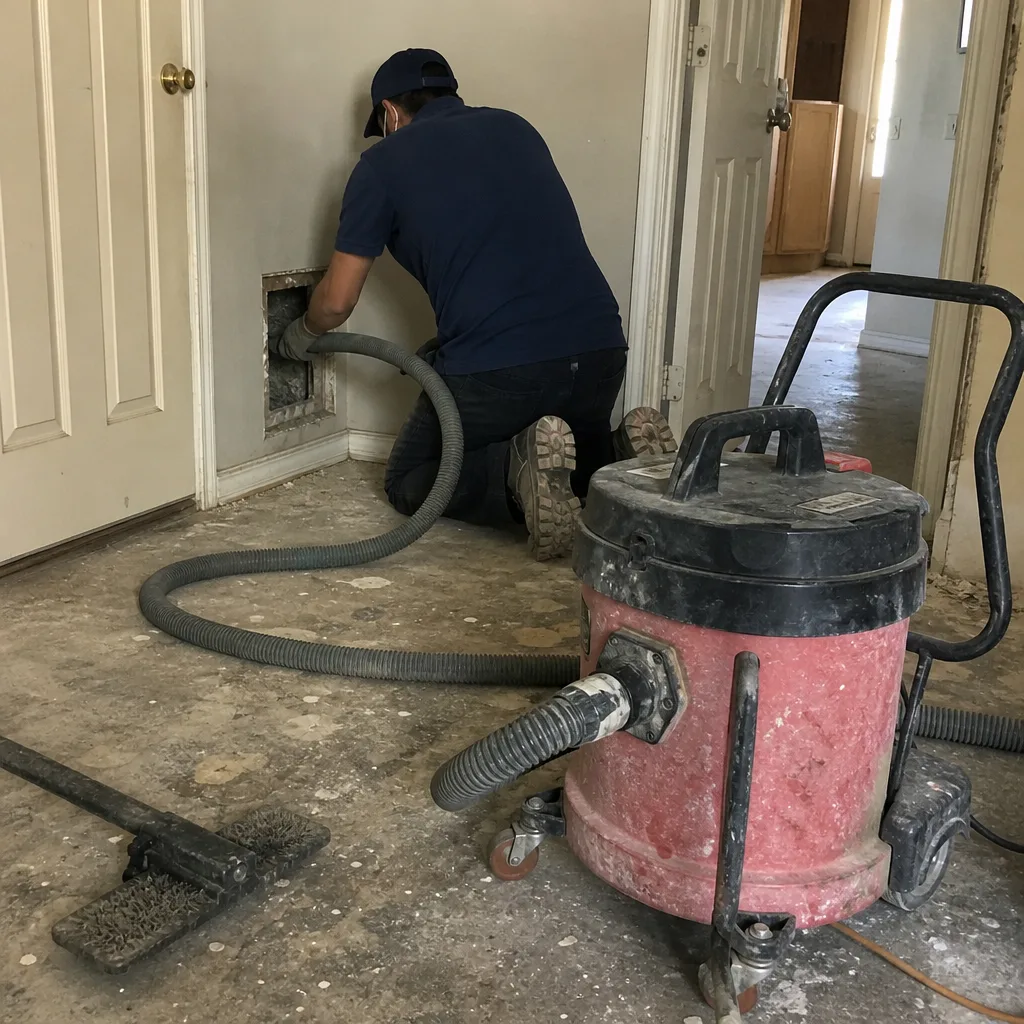 Before
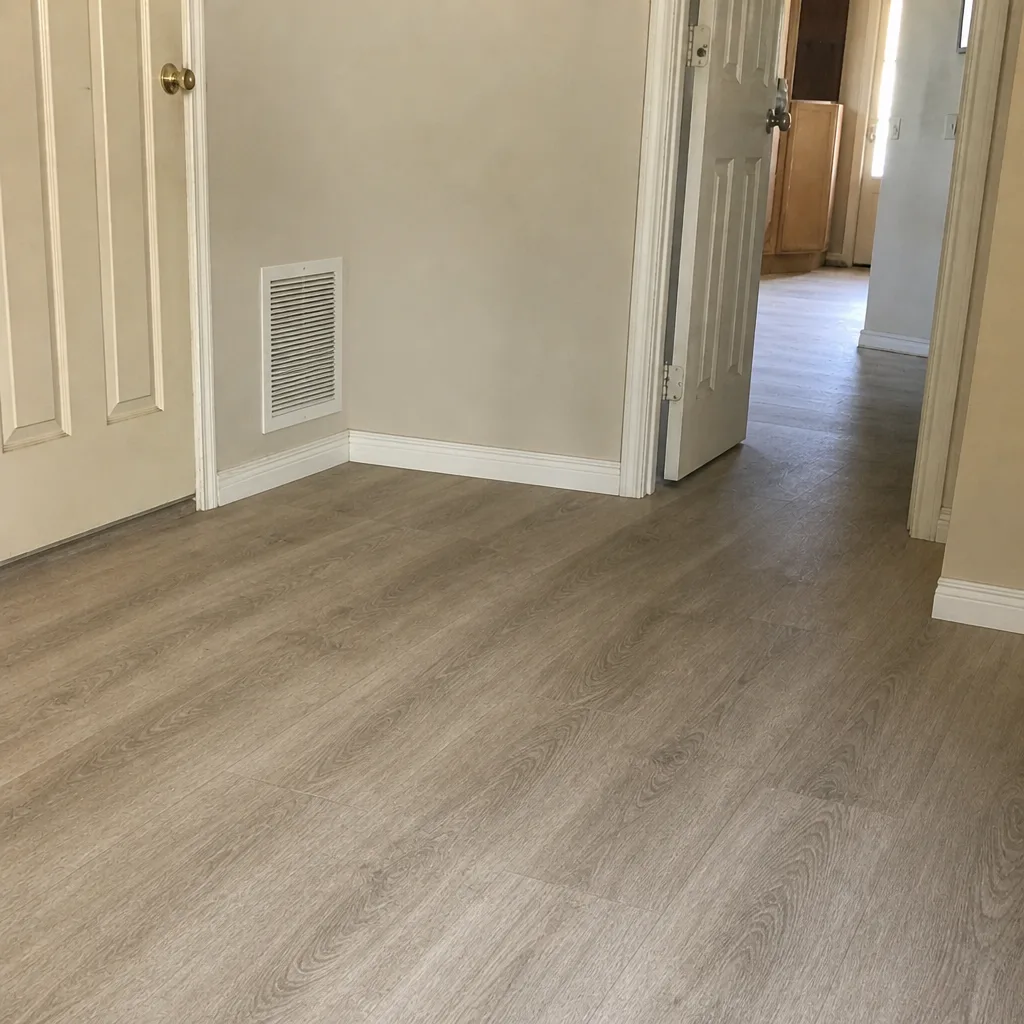 After
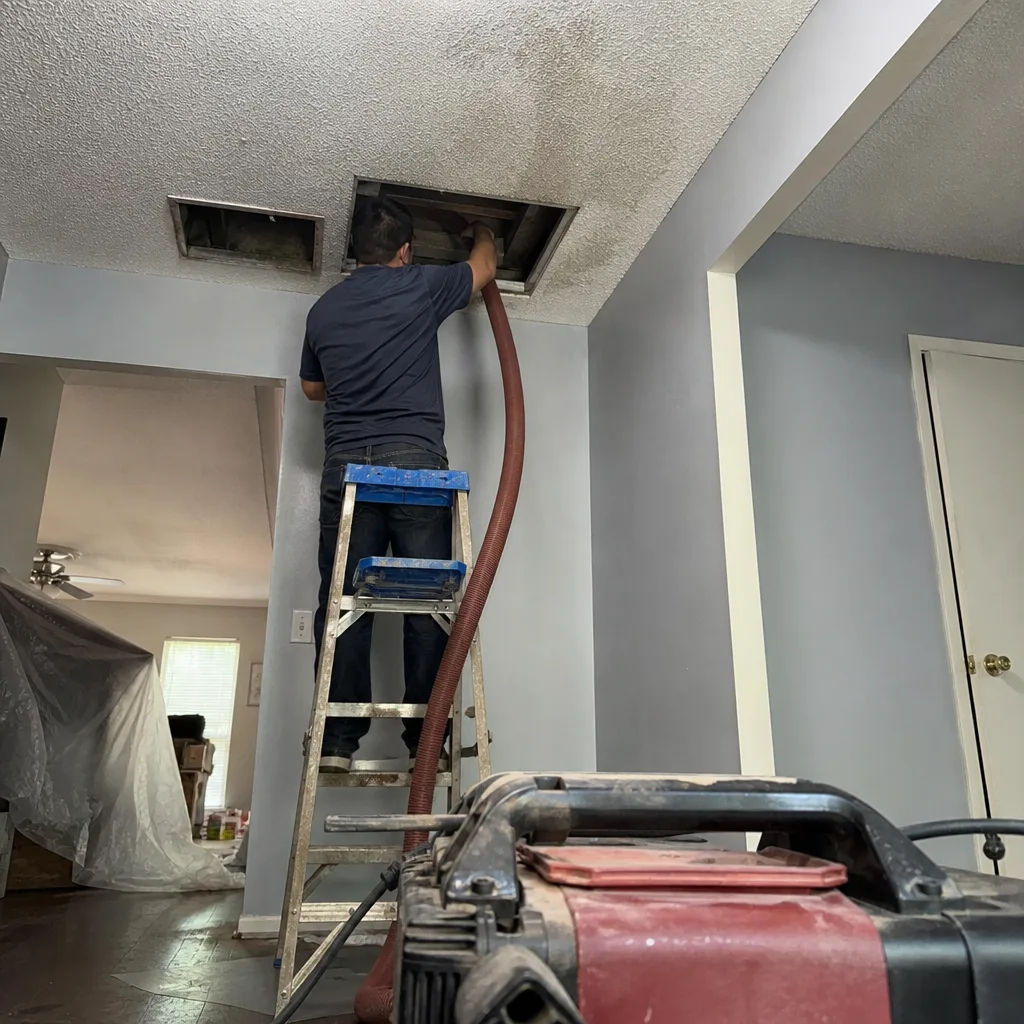 Before
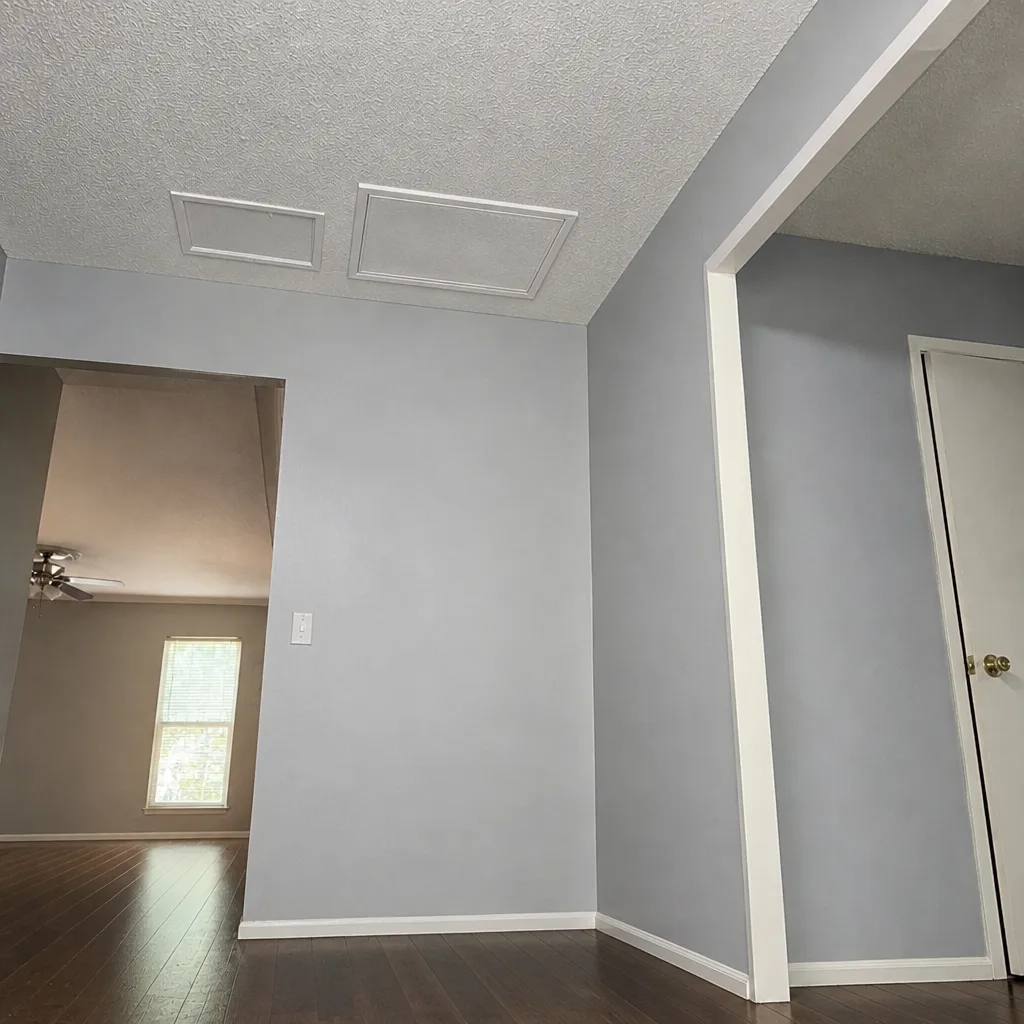 After
 Before
 After
When to Call a Professional
Call a professional when the tissue test says every room is weak, when a smell won’t clear after a filter change, when a room has never been right since the house was built, or when the dryer vent is slow. Those are the cases where a technician with a camera and a repair capability can tell you something a sales pitch can’t. Prestige Air Duct offers free estimates in Grand Prairie – call (866) 361-6858. We answer 24/7. Fast dispatch from 7am to 7pm, Sunday through Friday. Our technicians have up to 12 years of experience, and we work with leading air-quality and remediation brands, including Abatement Technologies, Aprilaire, and Honeywell. We repair what others just clean around, so the estimate reflects the actual problem.
Frequently Asked Questions
Air duct cleaning is priced per system by a written estimate, not per vent, because the size and condition of your ductwork determines the work. Whole-system cleaning is typically quoted as one flat price agreed before work starts, and any repair is quoted separately once we’ve inspected. That protects you from the low-coupon-to-large-invoice pattern common in this trade. Call (866) 361-6858 for an exact quote – estimates are free.
Usually because the price is a teaser, not the final price. A coupon price that covers one part of the system gets expanded into a larger invoice once the technician is on site, or the work is done with consumer-grade vacuums that don’t capture what they loosen. We agree one flat price per system before work starts, and we don’t do per-vent pricing. Call (866) 361-6858 and we’ll put an honest number in writing.
Ask for before-and-after photos of your own ducts, taken inside the runs, not just at the register. A documented process – inspection photos, cleaning, and a post-cleaning check – is the only objective record that the work happened. That’s the Prestige standard. Call (866) 361-6858 if you want to see what the process looks like.
Grand Prairie’s warm, humid summers put more moisture burden on the system than dry climates do, and moisture is the driver behind most microbial growth inside ductwork. That said, the humidity is a reason to inspect and confirm the moisture source, not a reason to clean on a calendar. Call (866) 361-6858 for an inspection-based recommendation.
There’s no calendar answer. Cleanliness is a condition, not a schedule – most duct systems don’t need cleaning on a timer, and going after them based on elapsed time alone is how the industry sells things people don’t need. Inspect, confirm a problem, clean, and document the result. Call (866) 361-6858 to book an inspection.
Cleaning is not the right answer if the ductwork is torn, collapsed, or disconnected. That’s a repair case, and cleaning a damaged run just moves the same air into the same broken ductwork. We inspect, then recommend: repair first if it’s an integrity issue, cleaning if it’s a genuine contamination issue. Call (866) 361-6858 and we’ll tell you which one you’re looking at.
The Bottom Line
The single biggest improvement most Grand Prairie homeowners can make when duct problems appear is to diagnose before they buy. Weak airflow in one room is usually a damper or a run, not dirt. Weak airflow everywhere is usually upstream of the ducts. Musty is a moisture problem. Burning is a heating problem. Chemical is a source problem. Cleaning fixes the small set of problems where the ducts themselves are dirty and sound. Repair fixes the structural set. Dryer vents are a separate safety diagnosis entirely. If you’re doing groundwork and want a straight answer about which of these you’re dealing with, call (866) 361-6858. Free estimates, one flat price per system agreed before work starts, and before-and-after photos of your own ducts. If you’d like the bigger picture on the Grand Prairie service area, start there and then get in touch.
Written by the team at Prestige Air Duct.